Information Warfare and Social Unrest
In recent years, some of the protests that have taken place in American society showed signs of covert involvement by the Chinese Communist Party (CCP). Radical groups exploited these situations to incite violence and promote anarchy in certain regions, disrupting social order.If the CCP were to launch an all-out war against the United States, it would likely seek to exploit violent extremist factions within the country. Under the guise of protest, the Chinese regime could incite deeper social division while employing hired agitators to carry out its signature tactics—assault, vandalism, and looting—to spread fear, destabilize communities, and fuel nationwide chaos.
After returning to the White House, President Donald Trump moved quickly to crack down on illegal immigration, launching large-scale deportations—particularly of individuals with criminal records—to prevent potential unrest. At the same time, the United States implemented stricter screening of student visa applications from China and began targeting institutions with close ties to Beijing, aiming to block various forms of CCP espionage.
The CCP has planted informants and recruited accomplices within Chinese-American communities who could be mobilized to cause disruptions. However, some of these individuals are likely already under FBI surveillance. Chinese consulates and embassies could serve as command centers for such operations, making the broader network traceable. With careful monitoring of their activities, the entire structure could potentially be exposed and dismantled.

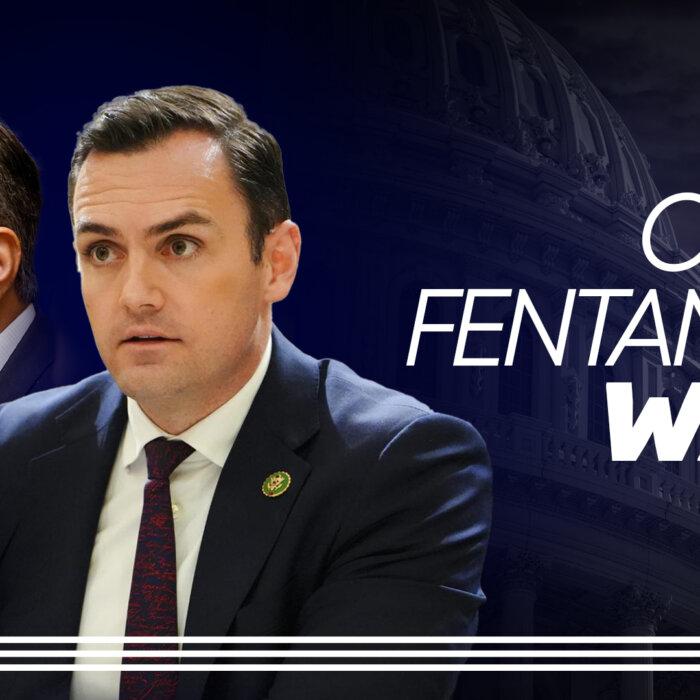
The CCP has also influenced some U.S. media outlets. At critical moments, these outlets may spread false information and narratives against the U.S. government to create public pressure. Some of these outlets have already been involved in the CCP’s transnational repression campaigns. Additionally, there is evidence that the CCP has attempted to exploit the U.S. legal system and influence government officials to extend its repression and achieve its agenda.
In response to the CCP’s widespread infiltration efforts, the U.S. Congress is drafting relevant legislation. However, it should also move quickly to draft and pass a comprehensive wartime emergency response act. Such a law would grant the government timely authority to make decisive, lawful decisions in the face of imminent conflict—enabling swift action to counter any form of unrestricted warfare waged by the Chinese regime.
Biological and Drug Warfare
I believe the COVID-19 outbreak in late 2019 and early 2020—referred to here as the “CCP virus”—was used by the Chinese regime as a de facto rehearsal for biological warfare against the United States and other Western nations. Beijing’s tactic was straightforward: deliberately conceal the outbreak, delay timely warnings to the international community, and allow infected Chinese to travel abroad, spreading the CCP virus unchecked.As the CCP virus spread, China bought up large quantities of protective gear from global markets, creating a shortage. This left many countries with no choice but to purchase supplies—often substandard masks and test kits—from China. The Chinese foreign ministry coordinated the distribution of these materials and used them as diplomatic leverage, indirectly pressuring nations to avoid criticizing China for failing to contain COVID-19 and instead express gratitude.
Despite the painful lessons learned, there has yet to be a large-scale international effort to hold the Chinese Communist Party accountable or demand compensation. Consequently, Beijing has largely evaded responsibility. The CCP remains uncooperative with investigations into the virus’s origins and continues to blame the United States whenever possible. If the international community fails to learn from these events, the CCP will become increasingly brazen and act more recklessly.
There have been recent reports of Chinese nationals allegedly attempting to mail bacteria or viruses into the United States or bring in hazardous biological and chemical samples. These incidents could be part of the CCP’s pre-war tactics, laying the groundwork for potential biological attacks. There are also concerns that China could tamper with pharmaceuticals exported to the United States.
In response, the Trump administration has been actively pushing to relocate pharmaceutical manufacturing back to the United States—not only to ensure military and civilian self-sufficiency, but also to guard against the risk of contamination or sabotage by the CCP.
The United States is also actively blocking Chinese individuals and entities from purchasing American land due to concerns that some locations could be used for covert operations. These may include the secret development of biological weapons or the assembly of drone bombs, similar to tactics seen in the war between Russia and Ukraine. Such drones could be adapted to disperse viruses, bacteria, or other harmful agents, posing a serious threat to national security.
The U.S. government’s ability to respond to the CCP’s biological warfare remains limited and must be urgently elevated on the national agenda. This is far more than a matter of preventing the next pandemic; serious preparation is also required for the possibility of strategic biological attacks.
The CCP’s fentanyl-based war on the United States has been ongoing for years. According to provisional data from the U.S. Centers for Disease Control and Prevention, an estimated 82,138 drug overdose deaths occurred during the 12-month period ending in January 2025. This represents an increase of 1,400 deaths compared to the previous 12-month period ending in December 2024. Although the number remains below the peak of 114,664 overdose deaths recorded in August 2023, some researchers view this uptick following a period of decline as concerning.
Concluding Remarks
The CCP has long dreamed of toppling the United States, and it has already launched various forms of unrestricted warfare beyond military confrontation.In response, the United States is reorganizing its military to strengthen deterrence. If war appears imminent, preemptive strikes may be justified. Nevertheless, the underhanded nature of CCP tactics makes them difficult to predict and counter.
The United States must fully recognize the CCP’s ambition to defeat it. While strengthening defenses is necessary, it is still a passive measure. To truly counter the threat, Washington and allies should adopt a more proactive and comprehensive strategy across political, economic, and strategic fronts. The most effective solution would be for the United States and allies to help the Chinese people dismantle the CCP as soon as possible.