The Hong Kong government’s latest proposed legal amendment raises serious concerns about how far the reach of “national security” powers can extend. At the center of the proposal is a provision clarifying that the chief executive of Hong Kong may designate certain criminal matters as involving national security.
Since Beijing imposed the National Security Law in 2020 following the 2019 protests, Hong Kong’s legal system has changed fundamentally. While authorities argue that the law restored stability after a period of unrest, what I’m observing is a steady expansion of what is considered “national security”—from serious threats to areas that increasingly touch speech, journalism, political expression, fundraising, and civic participation.
Expanding Executive Power and a Shifting Legal Threshold
The most concerning feature of this proposal is the strengthened role of the chief executive, currently held by John Lee, in determining whether an alleged crime constitutes a national security matter. Under ordinary criminal law, established safeguards already exist, including bail hearings, disclosure obligations, adversarial proceedings, and, in serious cases, jury trials. These protections are designed to ensure fairness and to guard against excessive executive influence over criminal justice outcomes.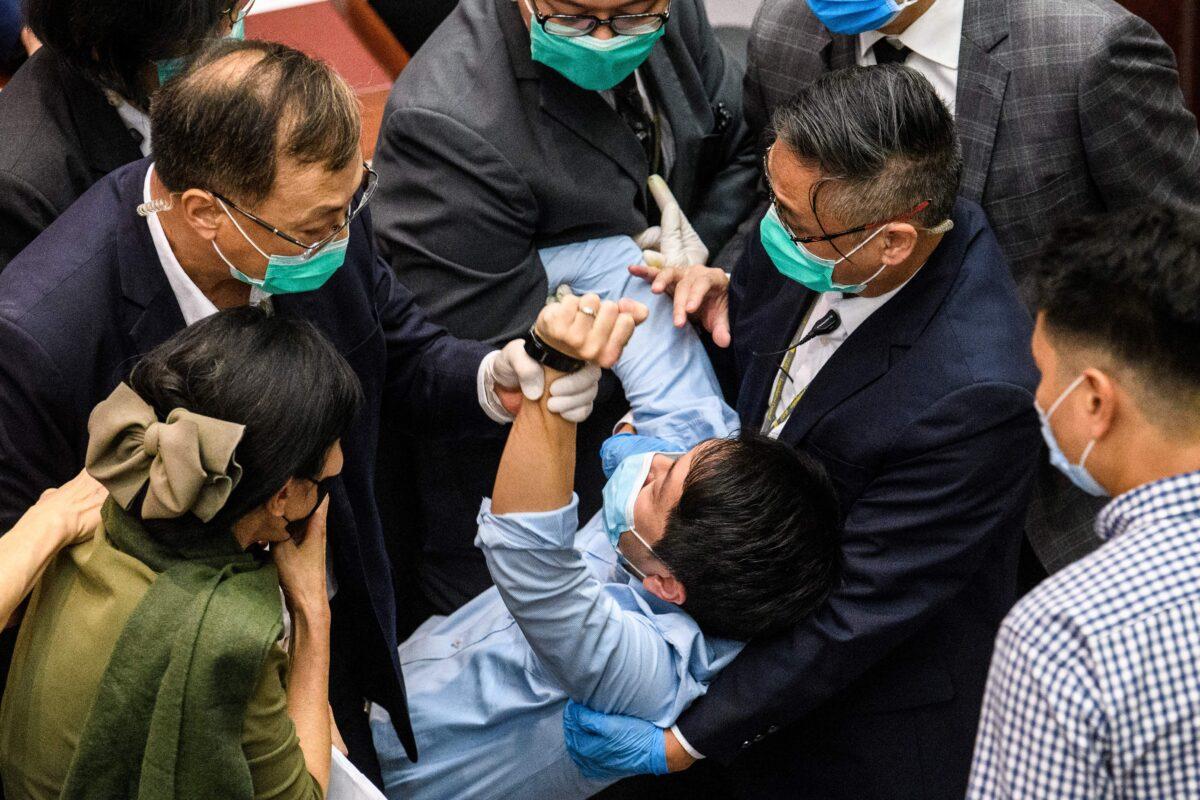
National security cases operate under a different structure. Judges may be designated by the executive authority, jury trials may be excluded in certain circumstances, and bail becomes significantly more difficult due to a presumption against release unless strict conditions are met. Once an alleged crime is placed into this category, the balance between the individual and the state shifts dramatically. In practice, the consequences begin immediately—long before any final judgment.

High-Profile Alleged Crimes Illustrating the Consequences
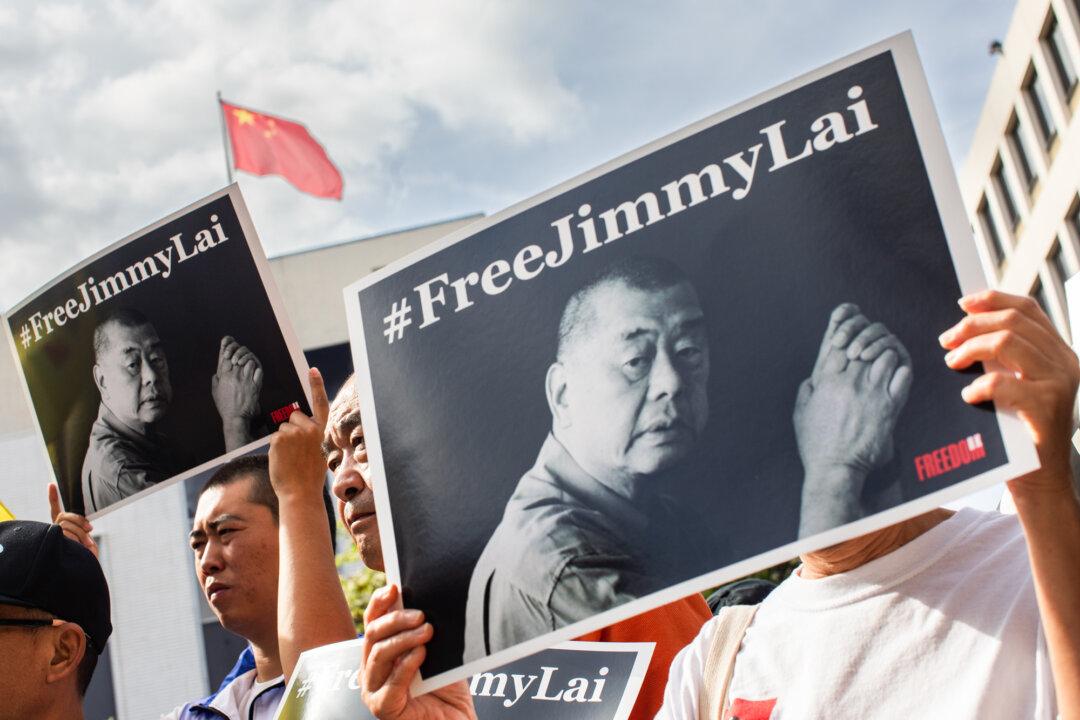
There are already real-world examples that show how far these consequences can extend.Jimmy Lai, founder of the pro-democracy newspaper Apple Daily and its parent company Next Digital, is one of the clearest examples of how national security enforcement can reshape not only an individual’s life but also an entire institution. After raids, asset freezes, and sustained legal pressure, Apple Daily ceased operations in 2021.
Trading in Next Digital was suspended, and the company was ultimately wound down and delisted during liquidation proceedings, effectively wiping out shareholder value as the business collapsed. This case demonstrates how quickly legal action tied to national security allegations can translate into irreversible corporate outcomes—affecting employees, readers, and investors far beyond the individual at the center of the case.
A Widening Circle of Potential Targets, Including You and Me
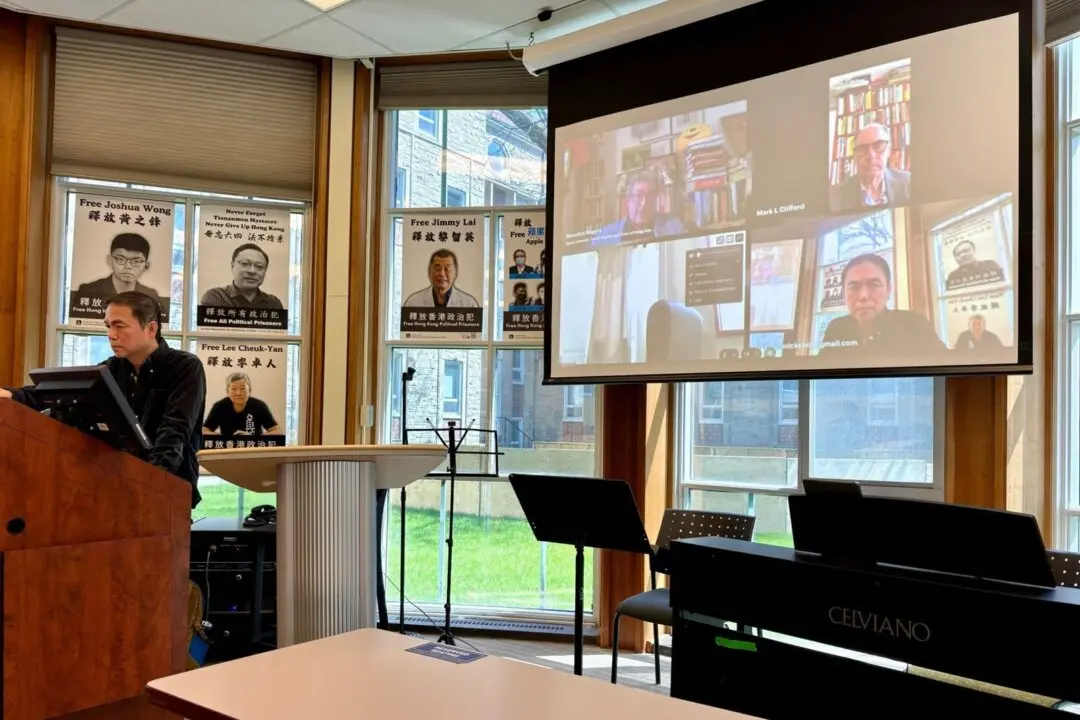
The most troubling implication of this system is how broad the potential reach becomes. It is no longer limited to a small group of political activists. It can extend to journalists, academics, lawyers, religious leaders, social workers, business professionals, overseas advocates, and ordinary citizens expressing political views.Hong Kong has already experienced a major contraction in civil society. Independent media outlets have closed, advocacy organizations have disbanded, and public expression has become far more cautious. Many people now operate under a constant awareness of unclear boundaries.
What worries me most is that this proposed change pushes that uncertainty even further. If ordinary criminal matters can be reclassified as national security concerns, then it becomes increasingly difficult to know where the line actually is.
That uncertainty leads to self-censorship. People begin to avoid certain topics, withdraw from public discussion, and reduce participation in civic life—not because of what they have done but because of what might later be interpreted. The result is a widening circle of potential targets—including you and me—not in theory but in practical terms, where exposure is no longer limited to a narrow category but extends across society, depending on interpretation and designation.
This also raises broader consequences for Hong Kong’s position as an international financial center. Stability, predictability, and a clear separation between political enforcement and commercial activity have always been central to confidence in the system. When legal categories become uncertain, that confidence is inevitably affected. Ultimately, international businesses and executives operating in Hong Kong should also pay close attention, as this level of legal uncertainty inevitably has implications for confidence, risk assessment, and long-term investment decisions.
The core issue is no longer simply about a single law or amendment. It is about whether the boundary between ordinary criminal law and national security enforcement still has real meaning—or whether that boundary is steadily dissolving, with consequences that reach into law, business, and everyday life in Hong Kong.