His vision is simple: Let thousands of small entrepreneurs unleash raw milk, charcuterie, pasture-raised meat, and chicken pot pies into their communities without the heavy hand of bureaucracy.
He reminded us that it doesn’t take a penny of government funding to fix this problem. In fact, it would save money by reducing the regulatory burden. As someone who raised vegetables and livestock in California, I know how often regulators showed up to “check this or that” on my farm. The cost of that compliance is invisible to consumers, but it’s crushing to farmers.
If people prefer food inspected, packaged, and stamped by government agencies, they can shop at Walmart, Costco, or H-E-B. But why should that be the only option? Adults should be free to make their own choices about food: to buy bread from the farmer down the road, harvest meat rabbits for a neighbor at church, or purchase honey from a friend. That trust between people is as old as time.
Today, though, government interference blocks those connections. If you ask why one in 15 U.S. farms has disappeared since 2017, the official explanations may include climate change, economics, or input costs. Some of those may be real pressures, but from where I stand on the ground, the picture is incomplete.
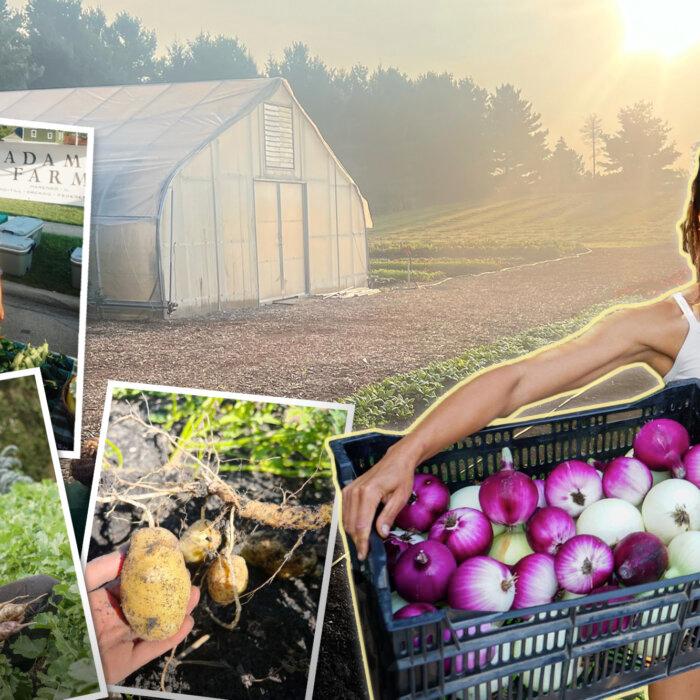
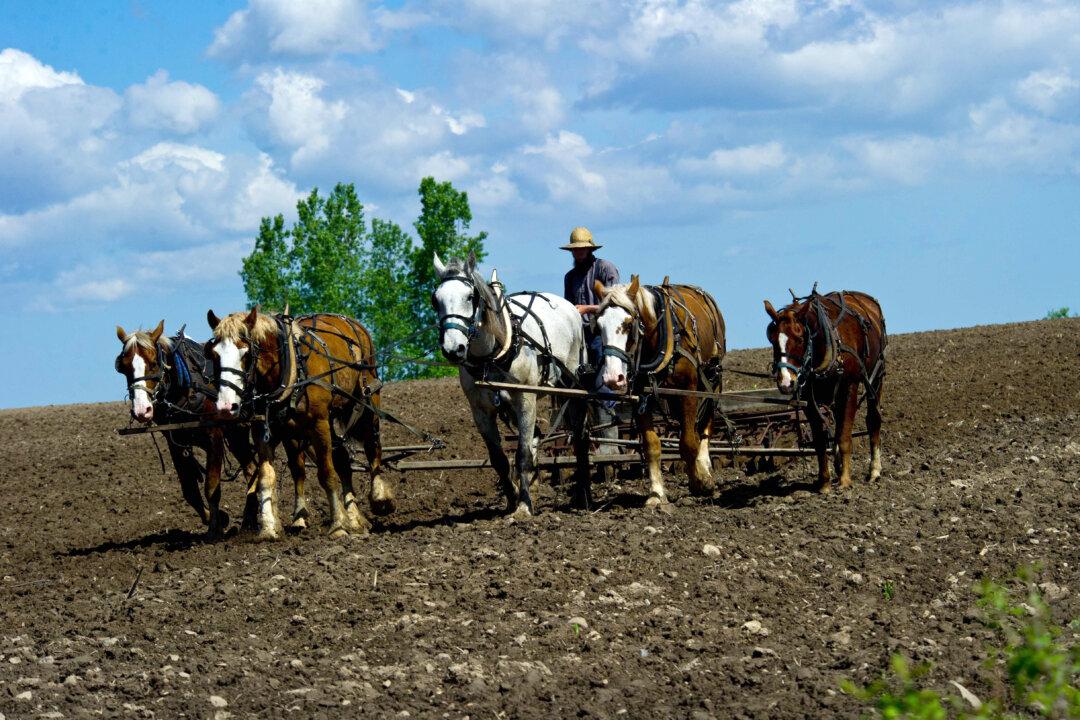
Small farms are collapsing because of crushing regulations, artificially depressed food prices, the inability to sell directly to consumers, and the reality that members of the younger generations don’t want to spend their lives working harder than anyone else just to stay broke, often while working an off-farm job on the side.
Salatin is right: Free the enslaved food system. Let neighbors feed neighbors without government interference. For those who want the government in their food, the grocery store will always be there. But the rest of us should be free to access real food from people we know and trust. Such freedom would unleash innovation, revive rural economies, reduce food deserts, and build resilience in a time when our food supply chains are increasingly fragile.
Rep. Thomas Massie (R-Ky.) has introduced the PRIME Act, which would allow a loosening of regulations on meat farmers selling locally. It is an excellent step in the right direction, but it doesn’t go far enough, nor does it cover enough industries. And while the bill has been reintroduced in both the House of Representatives and the Senate this year, it remains stalled in committee. It isn’t dead, but it is stagnant.
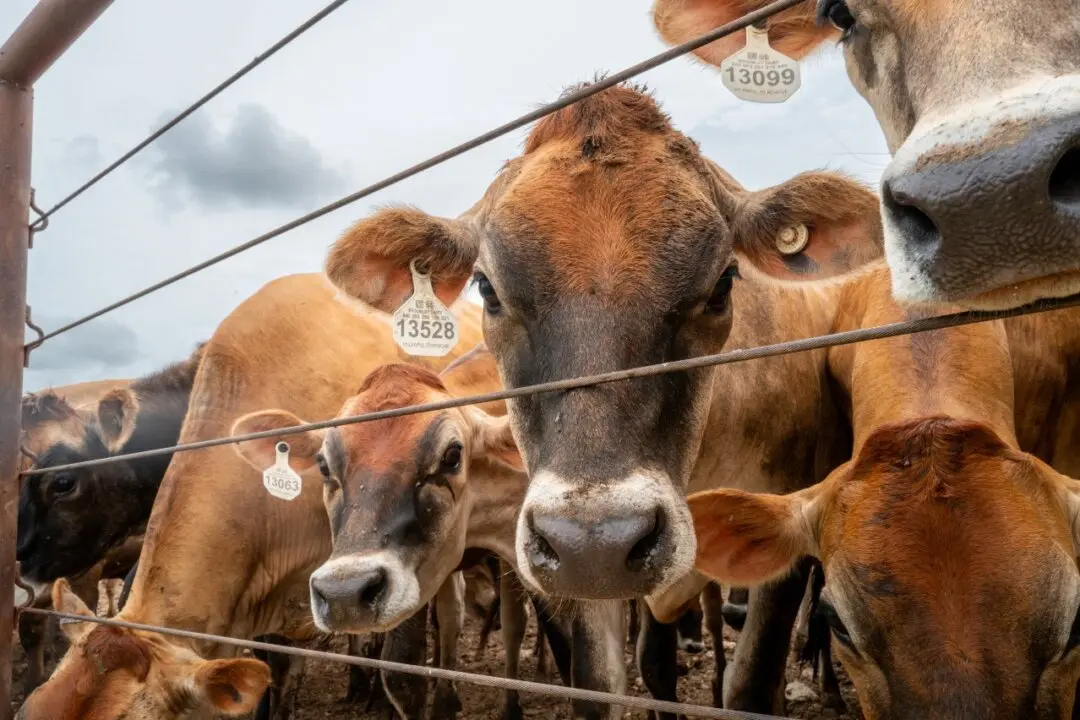
That’s no surprise in a Congress in which lobbyists hold sway and nobody is lobbying for the sourdough micro-bakery, the micro-dairy with four Jersey cows, the vegetable farmer with a few greenhouses, the 200-acre heirloom grain grower, or the cattle rancher with 40 head who wants to cure his own charcuterie. We don’t have a political action committee. We don’t have lobbyists fighting for us. And government will always grow bigger if we allow it.
But here’s the truth: At a moment when Americans are waking up to the fragility of our food system and when leaders such as Health and Human Services Secretary Robert F. Kennedy Jr. and the broader health freedom movement are pushing for resilience, there is a window of opportunity. If enough of us demand it, we could put real pressure on Congress to move the PRIME Act out of committee and onto the floor. That would be a first step toward restoring the right of farmers to feed their own communities.
The truth is, bureaucracies don’t know how to make people healthy any more than they know how to balance a budget. What they do know is how to expand, regulate, and self-justify with every passing year. Meanwhile, Americans grow sicker, farms vanish, and rural communities hollow out.
Food grown by people for people is the truest medicine spiritually, physically, and emotionally. If we want national security, healthier citizens, and stronger communities, then the path is clear. It’s time to free the food system. And I’ll tell you this plainly: I would trust Massie and Salatin to feed my children over any bureaucrat any day.