Recently, I was talking with a family member who lives in another state. They told me that they meet in a gas station parking lot to buy products from an Amish farm—basically like a drug deal: a black market for real food.
What kind of upside-down world are we living in where farmers cannot simply feed their neighbors without secrecy, memberships, herd shares, private clubs, and all kinds of legal gymnastics? Why have we forced local food into the shadows?
If I want to buy a tomato from the person who grew it, should that not be the most normal thing in the world? And if someone wants the government to be the middleman, there are Walmarts and grocery stores on every corner. But why do we criminalize the choice to feed ourselves through human relationships rather than through federal systems?
Somehow, we’ve accepted the idea that every human interaction must be regulated by the government in the name of safety. We have minimum wage laws, marriage licenses, building permits, business licenses, food regulations—and the list goes on. Yet not long ago, none of this existed. Now we think it’s normal to need government approval for the most basic acts of human life.
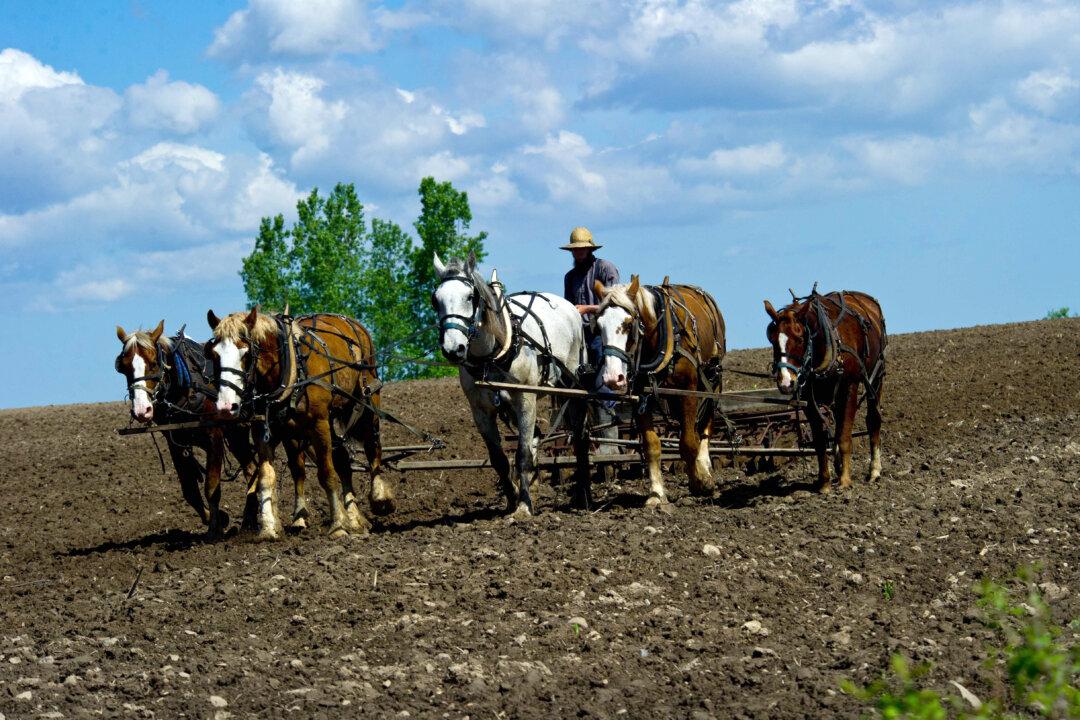
A farmer growing food for his community is older than government itself. It is the original economy, the original safety net, and the original health care. So why do we suddenly believe that local food is dangerous unless the federal government oversees it?


We’ve been told that the government exists to keep us safe, but that idea has ballooned into massive overreach. In reality, the government’s job is national defense—not micromanaging our dinner plates.
Why would bureaucrats be better at preventing food poisoning than the people who dedicate their lives to growing food? Why do we assume we are incapable of trusting each other and therefore need the government inserted between every bite of food and every neighbor we purchase from?
I’ve seen this firsthand. If I put my produce in plastic clamshells or fishnet bags, it sells better. We’ve been conditioned to associate sterile packaging with safety, even though plastic harms our health. We’ve forgotten that food doesn’t come from plastic. It comes from soil, sunlight, and the hands of people who care for it.
Many states have very limited Department of Agriculture (USDA) processing, and most farmers do not have the finances to build a certified kitchen. But the uncomfortable truth is that we don’t actually need all that. Humans fed themselves for thousands of years without federal inspection stickers.
And yes, food is medicine. So maybe it always will be a kind of drug deal—but I’d at least prefer it to feel like a pharmacy transaction rather than something that has to take place behind a gas station.
We don’t need every bite of our food approved by government agencies. And the truth is that the entire system is an illusion anyway, because we already eat food imported from countries with totally different regulations.
Somehow, the distance makes us feel safer, even though the farther we get from the source, the less we know about how that food was raised. Distance has become a substitute for trust. We see examples of food production in other countries with very different sanitation standards—or sometimes a complete lack of them—but the distance somehow sterilizes it in our minds. If it’s wrapped in plastic, has a barcode, and traveled halfway across the world, we assume it’s fine.
We’ve all seen viral images from factories overseas: rats running across batter and questionable handling. And yet those products are sold right here in the United States in major big-box stores. We eat food every day that would never pass U.S. safety standards, but because it comes from far away, we mentally file it under “safe.”
What is considered normal in food production also varies widely around the world. In some countries, human manure is part of fertilizer systems. Here in the United States, we largely don’t do that, although we do use biosolids that ultimately come from human waste, just processed through wastewater treatment facilities and with more restrictions. So it’s not that our food system is pure; it’s simply regulated differently.
Yet somehow, we trust imported food from places that we will never lay eyes on while questioning the safety of eggs, milk, or meat coming from someone right down the road. We trust what we see in the grocery store and question what we see coming from our own communities. This isn’t about safety. It’s about perception, distance, and a system designed to favor industrial food rather than local food.
And we should remember that alcohol itself was once underground. We ended that prohibition. Now the question is, can we end the prohibition on real food?
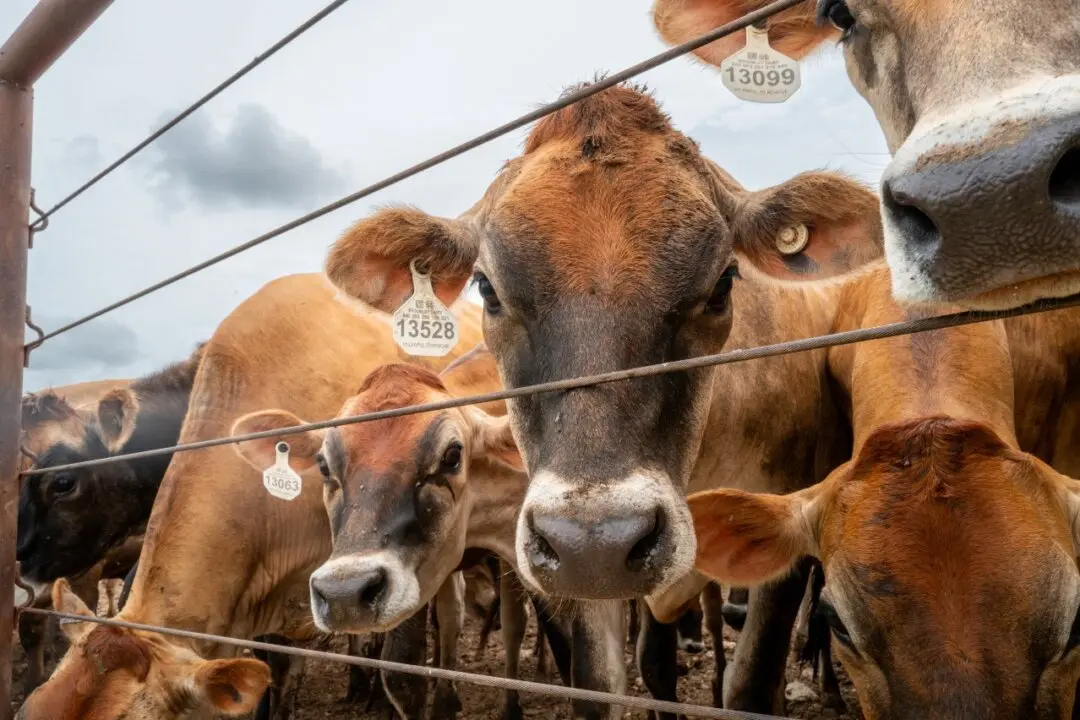
Here in Texas, USDA meat processing is far more available than in other states. And because I have a restaurant on the farm, I have access to a commercial kitchen. Many farms don’t have this luxury. And so we have a system where small family farms are forced underground—not because their food is unsafe but because regulations are built for corporations rather than human-scale agriculture.
That leaves us with a choice: We either support ever-expanding government at the expense of farmers, or we support family farms at the expense of bureaucracy. Which future do we want?
Can we bring real food back into the mainstream? Can we end the prohibition on farmers feeding their neighbors? And do we, the people, need to intentionally prioritize a black market for real food until the government catches up with what we are committed to?
Can we remind our communities that they don’t actually need government approval for every bite of their lives—or that none of their ancestors ever did?
This is not just a matter of convenience. It’s a matter of sovereignty. It’s about whether we trust ourselves, our communities, and our farmers enough to reclaim responsibility for what we eat.
Because farmers feeding their communities shouldn’t be illegal. It should be celebrated.