The number of people lining up to support Alberta independence has reached a level that can’t be ignored, regardless of where people stand on the issue. Politicians and pundits have stopped ignoring the movement, but their reactions have been feeding separatist sentiment rather than defusing it. It’s almost certain that an independence referendum will be held in the fall of 2026. Opponents to Alberta independence must temper their reactions to the movement and embrace some political nuance if they want to see the “yes” side of the independence referendum defeated.
Many people don’t understand that Albertans see this issue as their own to debate. Think of it as a household squabble over a major decision. If a neighbour pokes their head in through the window and tells the family which side to take in the squabble, the probable result will be to unify the family in opposition to the presumptuous neighbour and slam the window closed. Alberta separation would impact the entire country, and every Canadian has a right to express an opinion on it. They must express that opinion carefully, though, as the mood among Albertans is less-than-receptive to having Central Canadians telling them what they can or can’t do right now.
When Albertans are told by outsiders that they can’t have a vote on the matter, the response by many becomes “Just watch us!” The case can be made for Albertans to vote against independence, but it is wrong to claim they don’t have the right to secede. The morality of the pursuit of independence is a subjective thing, but to imply that independence supporters are immoral won’t dissuade them from their path.

When Quebec held an independence referendum in the 1990s, it sent envoys to France to seek support for its movement. Canadian politicians didn’t dare accuse them of treason. The double standard is one of the things upsetting Albertans.
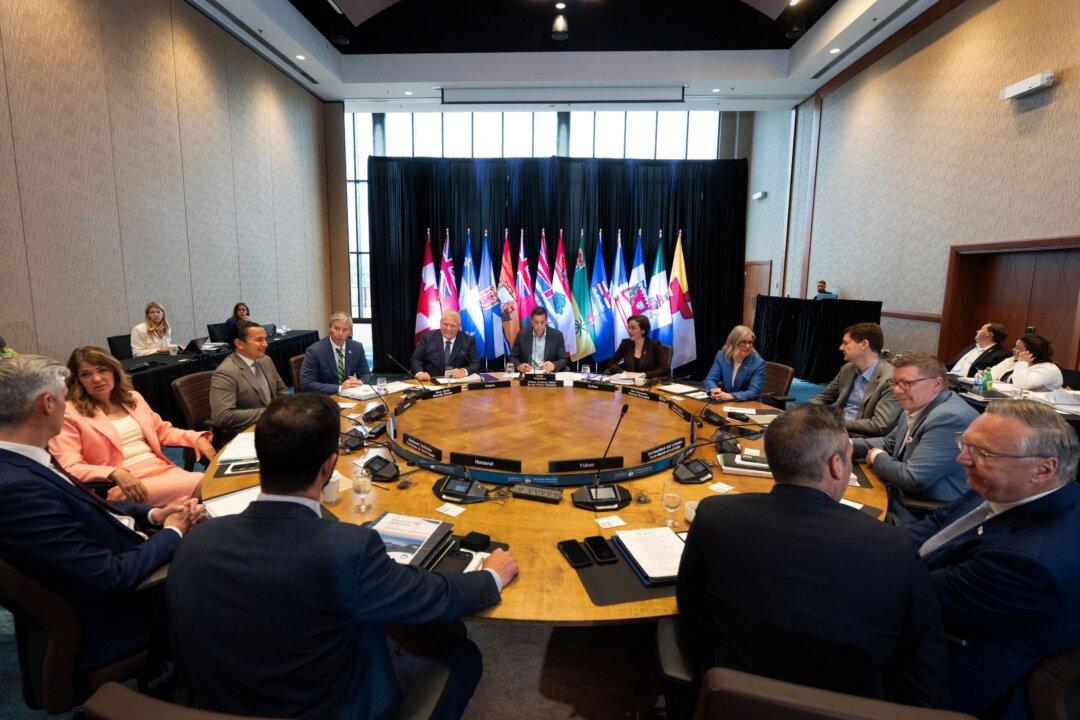
Prime Minister Mark Carney responded most productively to the issue. He opened the First Ministers’ meeting by framing national unity as being central to Canada’s interests. He expressed concern about the issue, without attacking a region or proponents of independence. He understands that Albertans expect to be treated with respect on the matter, though he obviously doesn’t support the province’s departure from the federation. Carney has the policy authority to make changes that could defuse separatist sentiment.
Don’t tell Albertans they can’t leave. They can.
Don’t accuse them of treason. It isn’t.
If Albertans have their concerns taken seriously by the rest of Canada and the responses come respectfully, the independence movement may stop growing and fizzle out.
If the reaction to the independence movement continues to be insulting and vitriolic, support for Alberta independence will continue to grow.