The future of Canada’s federation will be a top issue in 2026. An independence referendum is all but assured to be held in Alberta next fall while independence groups are organizing in Saskatchewan and pressuring the Scott Moe government to allow a provincial referendum. In Quebec, the Parti Québécois (PQ) is strongly favoured to win in a fall election by campaigning on holding another referendum on independence.
Canada’s unity is in question, and if citizens in all parts of the country don’t address it in the next year, the secession of a province could become a reality.
Most of the sovereigntist noise of late has come from Alberta. Independence movements have periodically emerged in Alberta since Pierre Trudeau’s National Energy Program of 1980, which decimated the oil and gas sector. Rage over policies and elections created surges in independence support that manifested in independence parties that formed and faded away. Something different is happening this time. Alienation has settled in and isn’t dissipating.
After 10 years of discontent under the anti-oil and gas policies of the Justin Trudeau government, Albertans felt they would see relief when Trudeau resigned at the beginning of 2025. It was thought that the election of a Conservative government would allow conventional energy developments to flourish again, and that a period of Western-friendly policies from Ottawa could undo the investment atrophy plaguing the energy sector under Trudeau’s leadership. Instead, with the change of leadership, the Liberal Party managed to win an even stronger government despite facing what appeared to be an insurmountable deficit in support in the polls. Support for provincial independence in Alberta has since surged and continues to grow.
The Liberals have long been considered Canada’s natural governing party. Westerners accepted that Liberal governments tend not to be friendly to Western provinces, but comforted themselves in knowing that every decade or so, a Conservative government would take control and offer some friendly governance if only for a term or two. With the electoral turnaround in this spring’s race, a sense of hopelessness descended upon many in the West. Central Canada controls the electoral outcomes, and it doesn’t appear to have any interest in supporting governments that support the West. Unlike prior flashes of separatist sentiment in Alberta, the movement has become entrenched, and it’s growing.
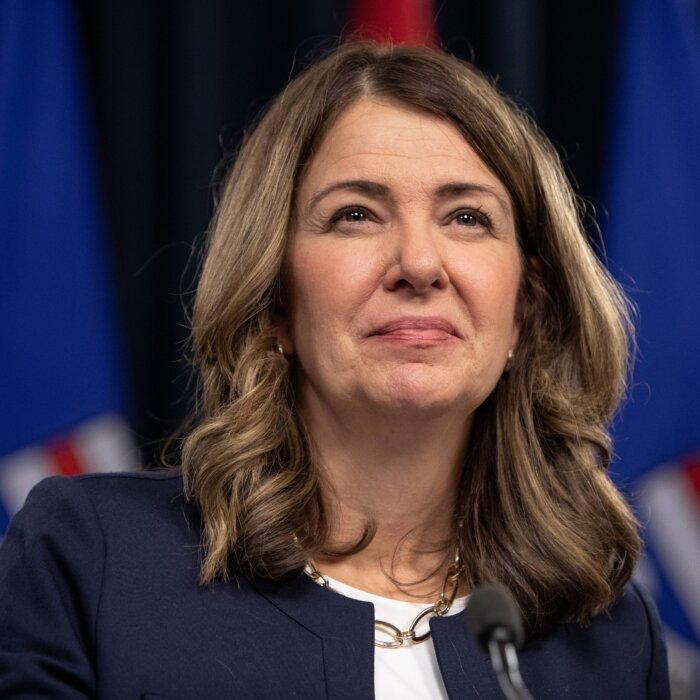

While Premier Smith has never supported provincial independence, it’s clear her government supports allowing a referendum on the issue—or at least not get in the way if enough Albertans want to hold one. The UCP government has repeatedly amended Alberta’s referendum legislation to allow a vote to be held despite opposition from the courts and some indigenous groups. A looming referendum could give the Alberta government leverage as it tries to negotiate with the federal government for pipeline approvals.
Petitioning in Alberta begins in January, will wrap up at the beginning of May, and will likely lead to scheduling an independence referendum in October. The province will be immersed in a campaign on independence for nearly 10 months, which will surely spill over into national discussion.
How the rest of Canada responds will have a direct impact on the viability of the referendum campaign. If it appears the establishment isn’t taking the threat seriously, support for independence could quickly blossom from the estimated 30 percent it holds today to near the critical 50 percent level by fall. Support for Britain’s Brexit referendum in 2016 began low but tipped into a vote to exit over the months of the campaign. Much of that was due to what was seen as a patronizing and dismissive attitude from the political, media, and academic establishment. If Albertans feel insulted by the Canadian response to the coming referendum, they could be inspired to vote yes.
Something is flawed within Canada when independence movements spring up like this. Canadian federalists must figure out what that flaw is and solve it in 2026. It may take legislative changes, constitutional changes, or perhaps just attitude changes. The only clear thing is that the issue can’t be ignored.
The future of Canada is on the line in 2026.