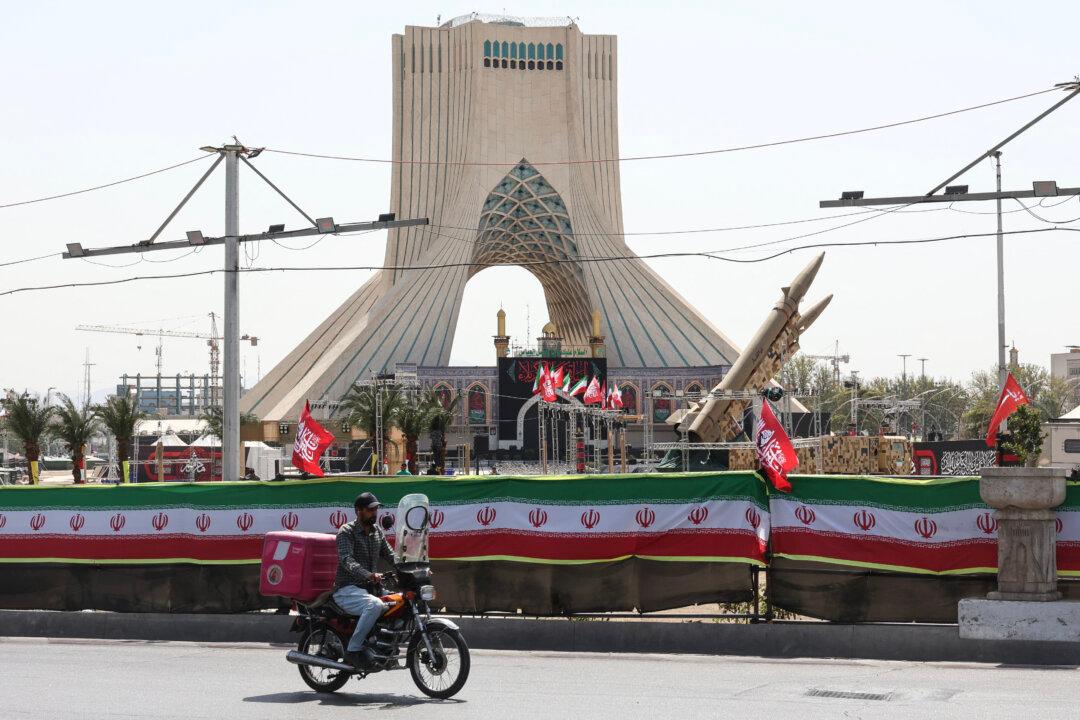
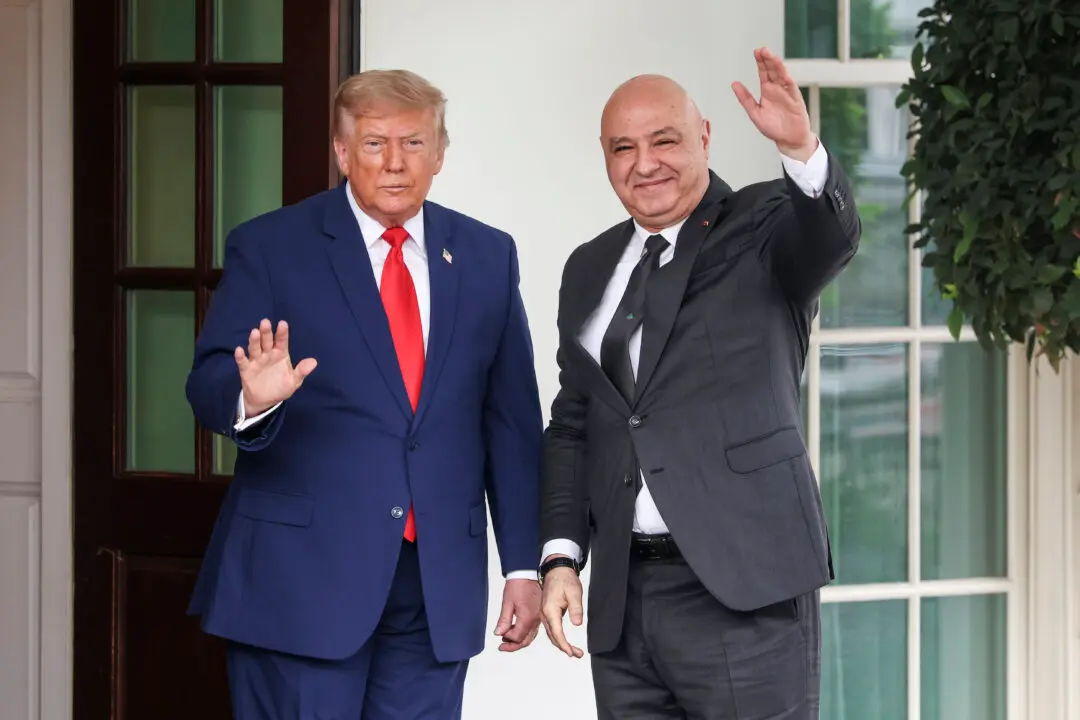
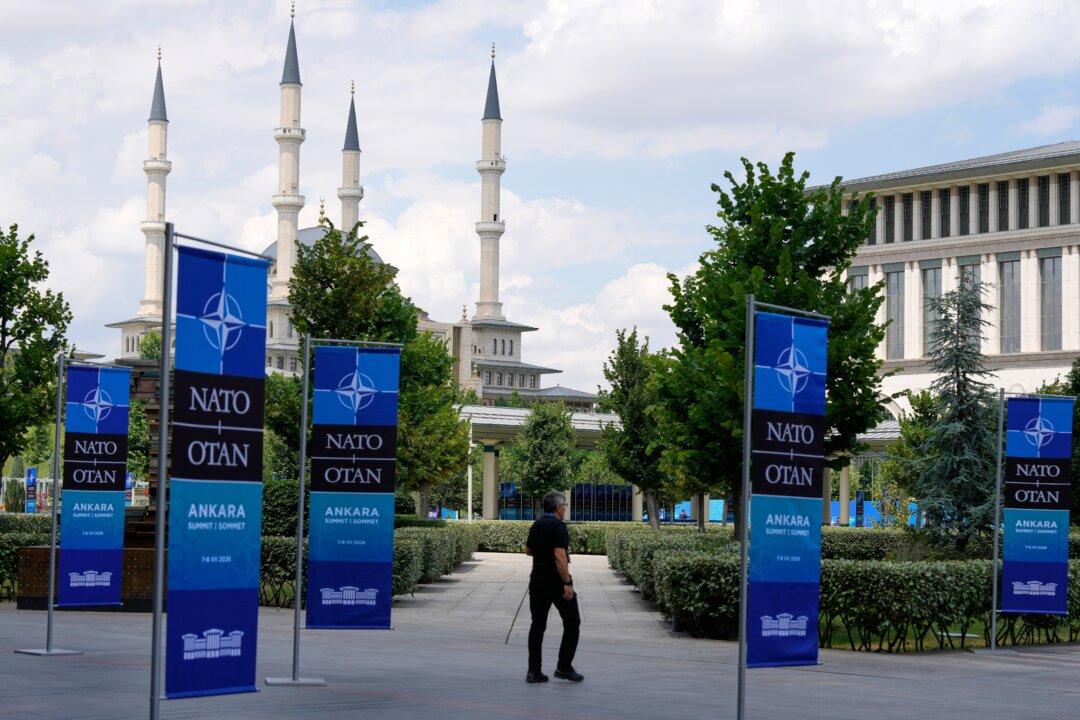
The contest is already afoot between the comparatively few sympathizers of the Islamic despotism in Iran, heavily reinforced by all varieties of anti-Americans and particularly by the teeming ranks of Trump-haters throughout the world and perhaps most vocally in the United States itself. Then there are the less emotional onlookers, including the supporters of President Trump, who remain numerous enough to maintain him as perhaps the most dominating American political figure since Franklin D. Roosevelt three generations ago.
Counting the attacks on Oct. 7, 2023, Israel has lost approximately 2,250 lives, and the United States, since it entered the Iran conflict, has lost 13 lives. Iran and its terrorist proxies have lost many thousands of lives, though Iran itself claims only 3,500 have died, in the 20,000 airstrikes that it is endured. This is approximately one death for every seven attacks and is an astonishingly low total of collateral casualties for a carefully targeted air campaign.
In the Iran conflict, the American ability to exploit its extremely sophisticated military hardware and highly trained expertise of its forces to achieve ambitious strategic goals at no or minimal casualties to itself has been demonstrated again. Last summer, the world saw the United States destroy the Iranian uranium enrichment facilities with deep penetration bombs, and in January this year saw it remove the president of Venezuela and his wife from their palace in Caracas and transport them to detention in New York, both without any combat fatalities.

The commitment of $1 trillion that Iran has made to becoming a nuclear power has now gone up in smoke. And without air defenses, it is as vulnerable as a plucked chicken. Its navy lost all vessels larger than the open whalers it retains, powered by outboard engines. Iran’s army is essentially a force for repression of the civil population and has no capacity to disturb neighboring countries. The ayatollahs had placed all their bets on nuclear missiles and drones.
President Trump has made it clear that violations by Iran will provoke an immediate return to war. There is no history of the Islamic Republic honoring an agreement with an adversarial country, so unless it has been deterred by the terrible beating it has endured—in which its principal reprisals were against other Arab powers with whom it was supposedly at peace—violations may reasonably be assumed, but at a more convenient time than the run-up to the U.S. midterm elections. The United States will then reply with overwhelming force against authentic military targets with minimal collateral damage and very few if any casualties to U.S. forces.
The Iranian leadership and the gangs of thugs and uniformed terrorists it deploys are obtuse, fanatical, and bloodthirsty, but it is conceivable that Tehran will have second thoughts about again bringing down upon itself the unanswerable military might of the United States, reinforced by Israel.
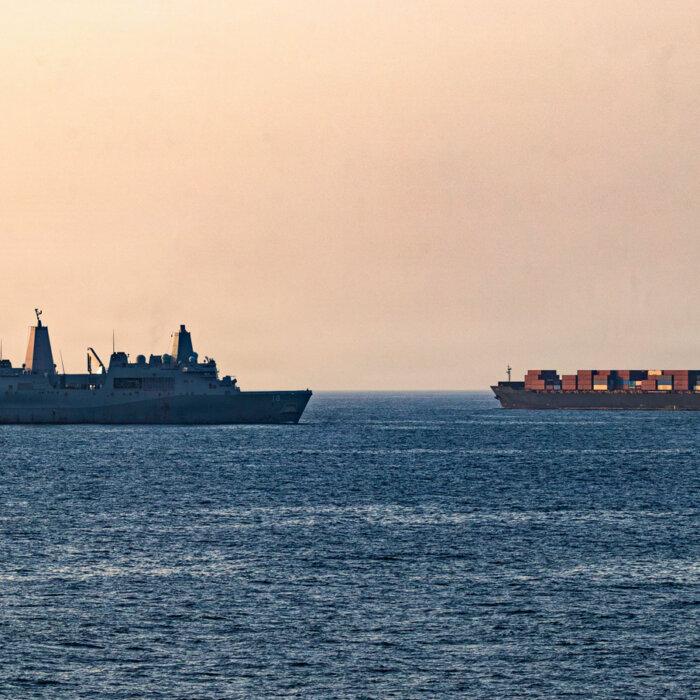
Any recurrence of this combat will begin with a comprehensive mine-sweeping to assist in convoying tankers through the Strait of Hormuz and spare the world the inconvenience of the theocratic thugocracy in Tehran tampering again with the world oil price.
In all of the circumstances, and as far as may now be determined, this is a reasonably satisfactory agreement obtained at comparatively low cost and one which if violated could be enforced without significant inconvenience to the world or even significant personnel cost to the United States and Israel. Claims of peppier members of the American president’s entourage, including his vice president, that we are now embarking on a new era of peace in the Middle East, are probably illusory. But so also are the dreadful and sanctimonious lamentations of the Trump-haters that America and Israel have been defeated. In fact, they have won probably the most one-sided conflict between substantial combatants in modern history.
The world is the better for that, ungrateful though much of it is.