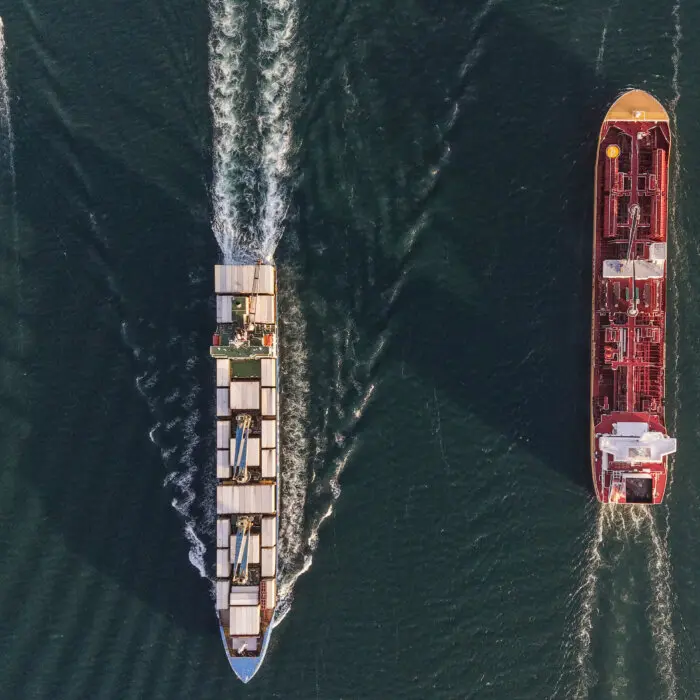
The Panama Canal is a strategic choke point linking the Atlantic and Pacific oceans, making it one of the world’s most important economic and military waterways.
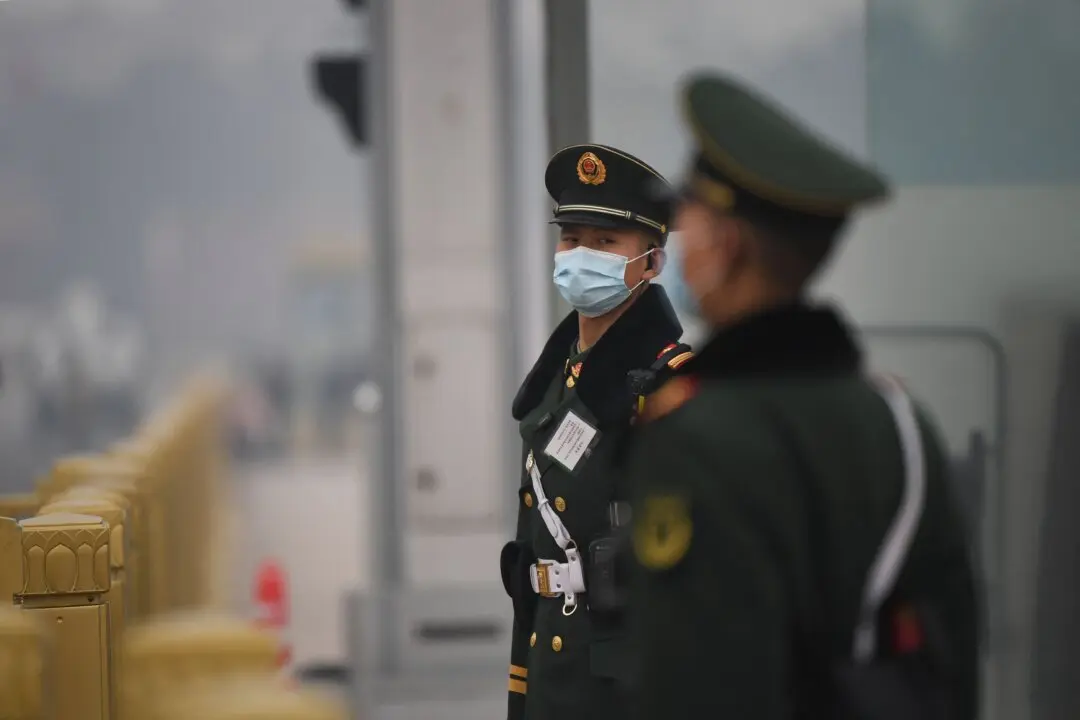
In February, Panama revoked the concessions held by a subsidiary of Hong Kong-based CK Hutchison for key ports at both ends of the Panama Canal. Beijing quickly reacted with a series of retaliatory measures. The most notable was the stepped-up inspections of Panama-flagged vessels calling at Chinese ports by using port state control, which allows maritime authorities to inspect foreign ships in their ports to ensure compliance with international safety, environmental, and labor standards. Many of these inspected vessels were detained by Chinese maritime authorities.
After returning to the White House, President Donald Trump repeatedly warned that Beijing’s activities around the canal posed a significant threat to U.S. national security.
Beijing’s retaliation against Panama appears to validate those concerns. It also lays bare the Chinese Communist Party’s ambition to compete with the United States for influence in key strategic regions, its belligerent nature, and its long-standing reliance on economic coercion to achieve its objectives.
Beijing’s retaliation is likely to reinforce concerns in Panama about the risks of doing business with China, accelerating the country’s strategic decoupling from Beijing and pushing it closer to the United States and other democratic partners.
Prompting a Broader Regional Backlash
The United States and five Latin American countries—Bolivia, Costa Rica, Guyana, Paraguay, and Trinidad and Tobago—on April 28 issued a rare joint statement opposing Beijing’s pressure campaign against Panama.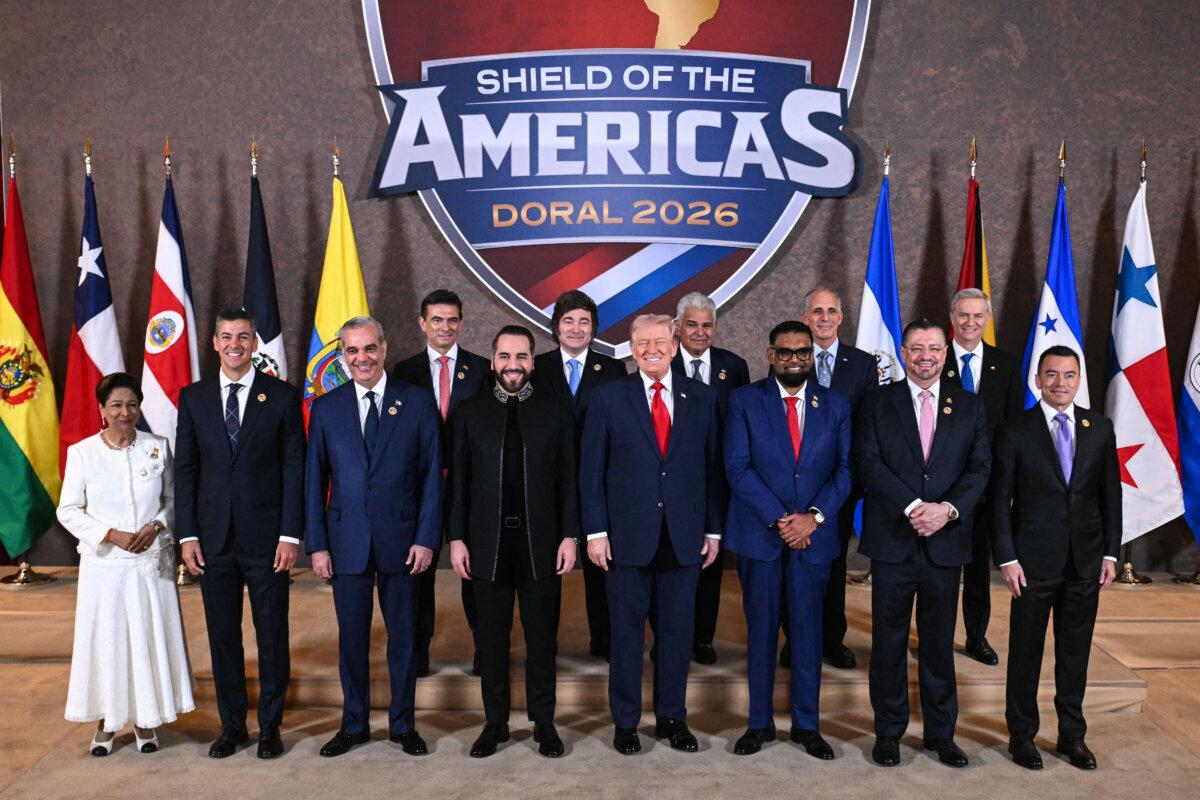
The statement describes Beijing’s actions regarding the canal as “a blatant attempt to politicize maritime trade” and warns that they infringe on the sovereignty of countries across the region.
“Panama is a pillar of our maritime trading system, and as such must remain free from any undue external pressure. Any attempts to undermine Panama’s sovereignty are a threat to us all,” it reads.
Driving Shipowners to Abandon the Panamanian Registry
As the regulatory risks facing Panama-flagged vessels in Chinese ports have risen sharply, many shipowners have begun looking for alternative registries.According to reports citing data from Lloyd’s maritime database, 220 vessels have deregistered from Panama and reflagged elsewhere since April 8.
The biggest beneficiary has been the Marshall Islands—a diplomatic ally of Taiwan—which attracted 54 vessels. The Bahamas ranked second with 32, followed by Liberia with 27.
Notably, amid this wave of reflagging triggered by Beijing’s retaliation, only 10 vessels chose to register in Hong Kong, while just one opted for mainland China’s registry—the lowest among the reflagging alternatives.
Prompting the US to Counter the Chinese Communist Party in Critical Global Maritime Choke Points
Beijing’s retaliatory moves against Panama sharpened Washington’s awareness of Beijing’s broader ambitions to challenge U.S. dominance in strategic sea lanes worldwide and confirmed that Trump’s pledge to reclaim the Panama Canal had struck a nerve.In the aftermath, the United States has moved decisively to secure key maritime passages: breaking Iran’s blockade of the Strait of Hormuz, signing defense agreements with Indonesia involving the Strait of Malacca, strengthening military and economic cooperation with Greenland to control Arctic routes, and repeatedly emphasizing the importance of peace and stability in the Taiwan Strait while reinforcing defenses along the First Island Chain.
Concluding Thoughts
Panama lies squarely in America’s backyard. The Panama Canal—built by the United States over a decade at the cost of thousands of lives—remains a critical artery linking the Atlantic and Pacific oceans, and its strategic importance to U.S. national security is undeniable.By picking a direct fight with the world’s leading superpower right on its doorstep over the Panama Canal, Beijing has demonstrated both a lack of self-awareness and poor strategic judgment.
The United States has now revived a modern version of the Monroe Doctrine, which may be summarized as “America for the Americans,” making it clear that it will not tolerate external powers, especially China, interfering in its traditional sphere of influence. Over the past year, a series of political shifts across Latin America have brought pro-U.S. conservative governments to power, strengthening ties with Washington and distancing themselves from Beijing.