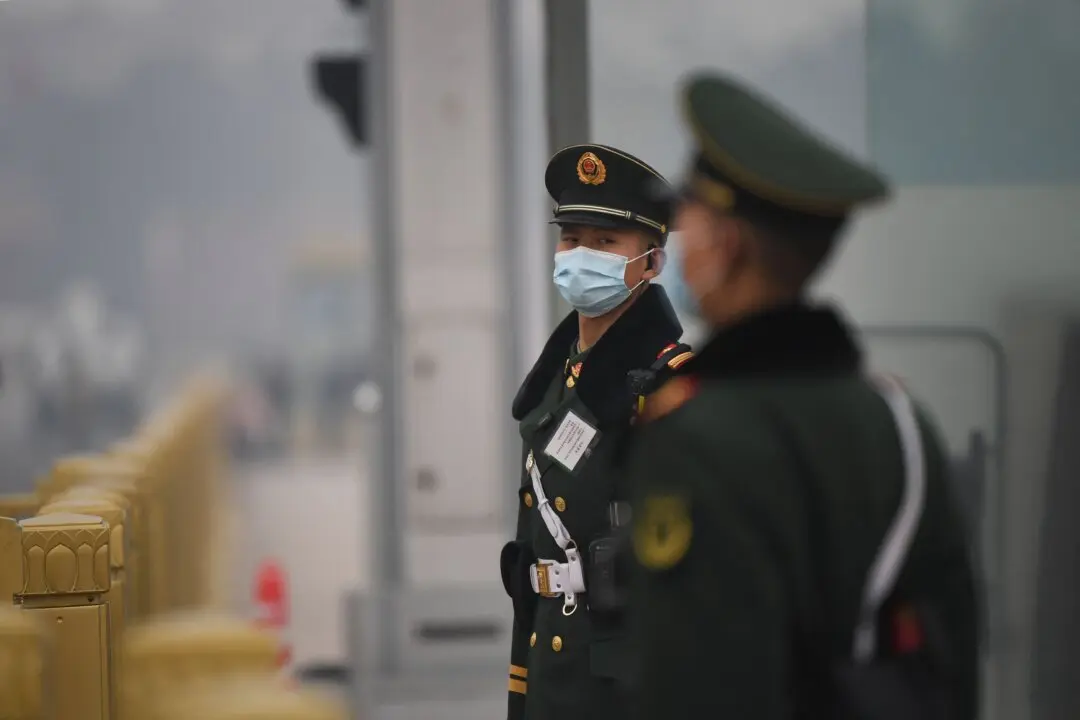
China’s military court last month handed down verdicts in the corruption cases of Wei Fenghe and Li Shangfu, both former Central Military Commission (CMC) members, state councilors, and defense ministers. They were sentenced to death with a two-year reprieve, and all personal assets were confiscated. After the reprieve, their sentences will be commuted to life imprisonment with no possibility of parole or sentence reduction.
The sentences were reportedly the harshest ever imposed on senior People’s Liberation Army generals amid Chinese leader Xi Jinping’s anti-corruption campaign.
Xi’s Anti-Graft Campaign Proves to Be a Failure
Since Xi came to power, he has launched continuous anti-corruption campaigns under a declared policy of “zero tolerance.” Logically, after more than a decade, corruption should have decreased, officials should be too afraid to steal, and the system should be much cleaner.The reality is the opposite: The more Xi tries to root out corruption, the worse it becomes.
In the military alone, during Xi’s first two terms (2012–2022), 160 senior generals were investigated, including seven full generals. In his third term so far, more than 100 senior generals have already been purged.
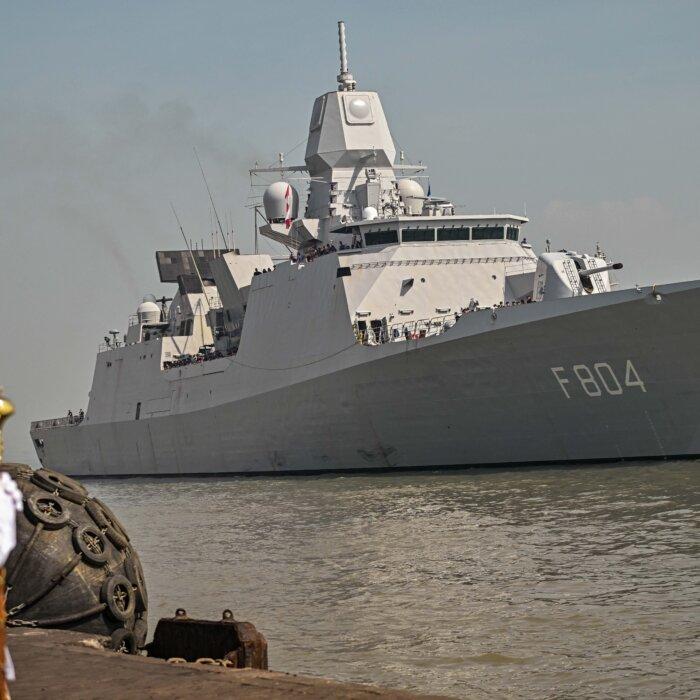
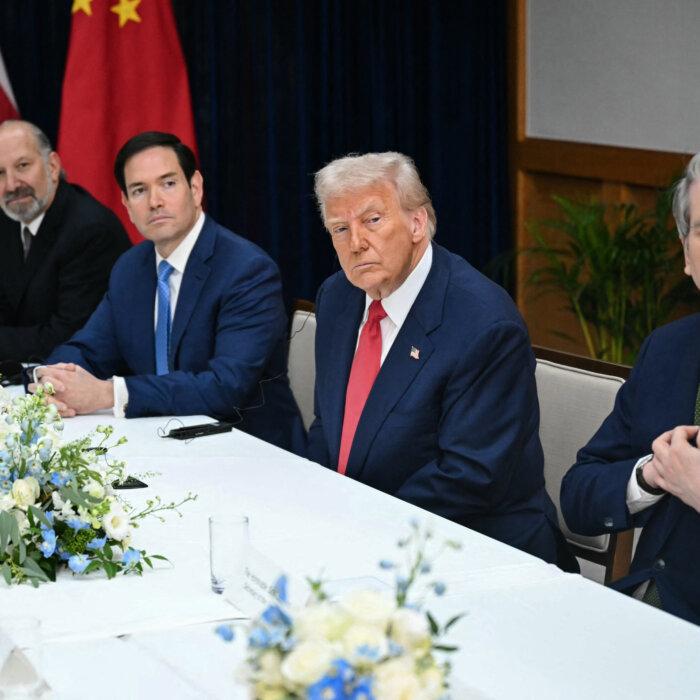
When the Chinese Communist Party’s (CCP’s) 20th National Congress ended in 2022, there were more than 40 active-duty full generals. Today, without China fighting any war, almost the entire roster of active full generals has been wiped out. This includes five out of seven CMC members; the commanders and political commissars of all five theater commands; the heads of the army, navy, air force, and rocket force; the commander of the People’s Armed Police; and the president and political commissar of the National Defense University.
Xi has earned a new nickname: “The General Slayer.” Foreign Affairs magazine even called him “Xi the Destroyer.”
The Result of Infighting for Power
The fall of Wei and Li—their expulsion from the Party and the military and their death sentences with reprieve—ultimately stems from a brutal power struggle within the CCP’s top leadership.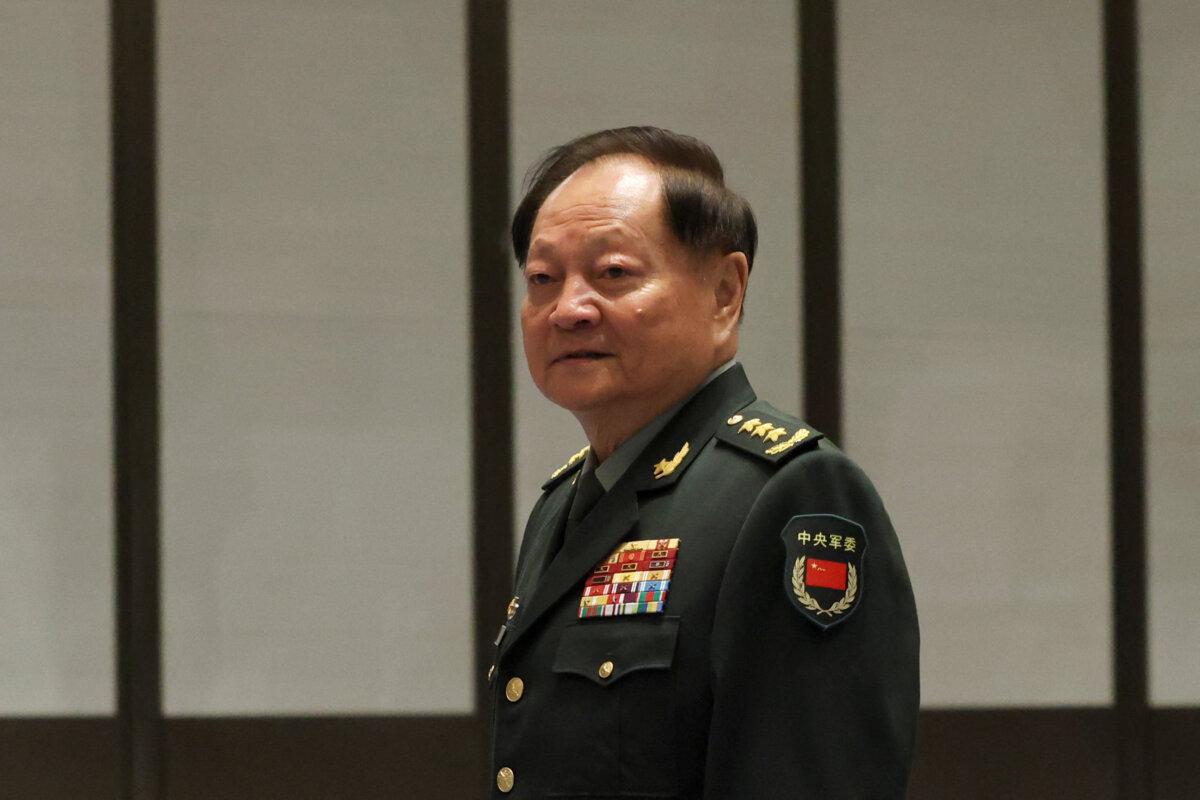
Soon after the CCP’s 20th National Congress, a fierce infight erupted among the military’s top brass. On one side was He Weidong, then the first vice chairman of the CMC, and Miao Hua, then the director of the CMC’s Political Work Department. On the other side was Zhang Youxia, then the first vice chairman of the CMC, and then-Defense Minister Li.
With Xi’s backing, He and Miao took down Li and Wei. Their real goal was to remove Zhang so He could become the first vice chairman and Miao the second, forming a triumvirate of Xi, He, and Miao to control the military. This was the true reason for Li and Wei’s downfall.
Later, a cornered Zhang fought back, and He and Miao were taken down. Zhang was eventually purged by Xi as well.
The Warning Effect of Anti-Corruption Has Vanished
On the surface, sentencing Wei and Li to death with reprieve and lifelong imprisonment appears to be Xi using the heaviest punishment to warn the entire military. In reality, this tactic stopped working long ago.As early as 2016, former Yunnan Party Secretary Bai Enpei was sentenced to death with a two-year reprieve and lifelong imprisonment without parole—the first provincial-level official to receive this punishment under Xi. He was meant to serve as a warning.
Instead, many more senior officials received the same sentence later, including former Tianjin police Chief Wu Changshun, Shaanxi Party Secretary Zhao Zhengyong, former Justice Minister Fu Zhenghua, and others. Some, such as former Huarong Chairman Lai Xiaomin, were even executed.
Xi Is Losing Authority
The biggest problem with Wei and Li was not economic corruption, but what the Chinese military’s official newspaper called “disloyalty” and being “two-hearted people.”The real embarrassment for Xi is that he personally promoted both men.
Wei was the very first general Xi promoted to full general rank just eight days after Xi became CMC chairman in 2012. Xi later made him the founding commander of the rocket force—the strategic force meant to threaten Taiwan and the United States—and eventually defense minister. Wei was seen as the top figure in Xi’s own military faction.
Similarly, Xi promoted Li despite his being sanctioned by the United States, making him the defense minister in 2023.
A Major Victory for US Intelligence Warfare
Internationally, the harsh punishment of Wei and Li may represent a significant victory for American intelligence.The report shocked the Chinese leadership. The rocket force, which Xi had called the “core of China’s strategic deterrence,” was now an open book to the U.S. military.
Concluding Thoughts
Xi has used anti-corruption primarily as a tool for political loyalty rather than for genuine clean governance, and none of the high-ranking officials he has taken down—especially the military officers—are truly loyal to him. On the contrary, they, their families, and their networks deeply resent him.Every time that Xi severely punishes a military officer, he creates more enemies. If he continues this way, it may eventually backfire on him.