You may have encountered verbal or written reactions to President Donald Trump’s military actions against Iran as “inconvenient.” That is an odd characterization. Actually, I’m not sure there is such a thing as a “convenient war.” All wars disrupt normalcy to a certain degree; they are inherently inconvenient.
For Americans living at the economic margins, the word “inconvenient” is an unkind euphemism. The costs of the war for Americans struggling to get by—as experienced through higher costs for gasoline and increased overall inflation—are acutely distressing. For all of us, whether we find recent higher prices painful, a minor nuisance, or a total nonfactor in our standard of living, it would be helpful to know what we have gained from our military actions. Were they worth it?
Unfortunately, a cost-benefit calculation is impossible in this case. Not only will we never know how events would have proceeded had we not struck Iran, but it is also impossible to predict how events will play out under the newly created conditions.
It is possible that U.S. military actions taken so far in Iran have bought at least a few years in terms of setting back the timetable for Iranian nukes. It is possible that Iran has been sufficiently crippled economically that it will have to cut back its financial support of proxy terrorist clients, thereby saving the lives of any number of innocent people. Possible, yes, but ultimately unknowable. And that is a frustration we are going to have to live with.
Trump was criticized for his so-called war of choice. Yes, he did make the call to unleash hostilities against Iran. But what is the alternative? Would you prefer that we let Iran set the pace and continue to be the aggressor at whatever time it finds convenient?

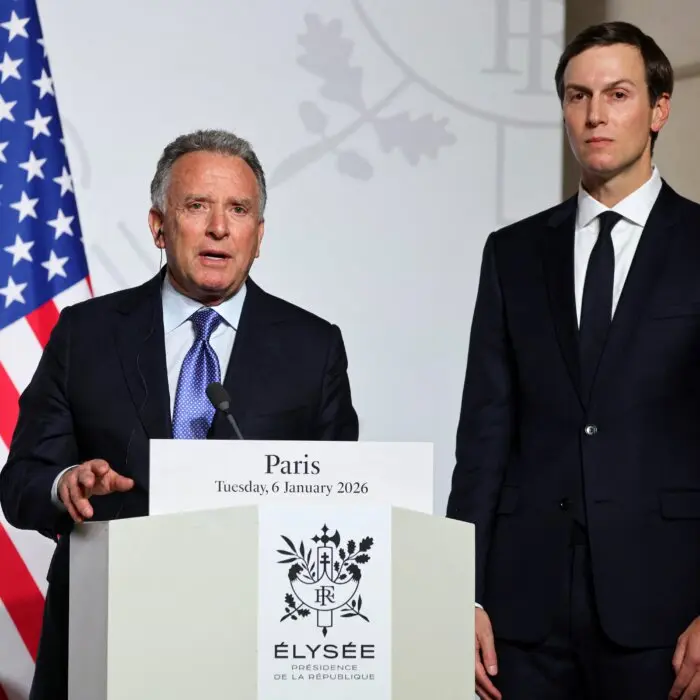
The president has access to intelligence that the rest of us don’t. I would rather trust his judgment as to when U.S. military action seems propitious than to have a policy of indefinitely sitting on our hands and acting militarily only in retaliation against each new Iranian aggression.
My sense is that presidents should have leeway in terms of when and how to combat a long-term, self-declared enemy that periodically initiates hostilities, frequently through proxies. That is no guarantee that egregious miscalculations, tragic mistakes, and unwanted outcomes won’t happen. I just think such a decision-making policy is our best hope. Consider the alternative: having Congress try to manage or direct the conflict with Iran.
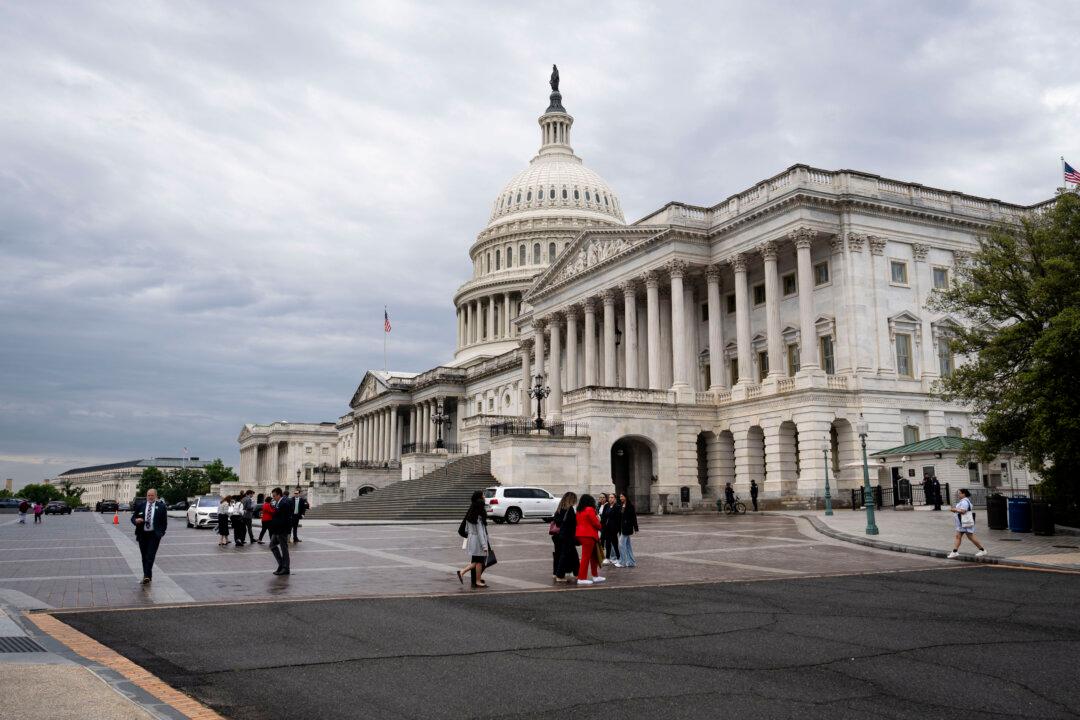
Congress is essentially a committee, and you know how problematical committees can be. It can take considerable time for Congress to reach consensus, and while it dithers, temporary military advantages may disappear, and secrecy and the element of surprise can be lost. With the hyper-partisanship of today’s Congress, paralysis may prevail when decisive actions are most called for. We can’t afford to have one party reflexively oppose a president they despise when the greater enemy is a hostile foreign entity.
Furthermore, Congress today is ill-suited to act in the best interests of the United States with regard to foreign policy. Originally, Congress represented the interests of the states and peoples thereof as they would be affected by foreign actors.
Today, though, under the influence of Progressivism, members of Congress have a different focus. They know that their job security depends more on keeping the money flowing from a Santa Claus federal government to fund myriad social welfare programs than on funding defense.
In short, the domestic handout constituency outnumbers the national defense constituency. Grounded in the Progressive mindset, millions of voters believe that the function of Uncle Sam isn’t primarily national defense but dispensing freebies, and many politicians bow to that political reality.
The Trump administration is currently seeking a large increase in military spending. Indeed, inventories of key weapons are dangerously depleted and need to be restocked. Also, the very nature of warfare is evolving rapidly—most notably, the development of drone warfare—and the United States is lagging behind in this key area.
And yet Trump is having a hard time convincing Congress of the need for additional military expenditures. Democratic congressmen have aggressively challenged Secretary of War Pete Hegseth about the cost to civilians of “your war.”
Has the Iran war been worth it? I hope so, but I don’t know. With my limited knowledge, all I can do is pray that our leaders act wisely in the months and years ahead.