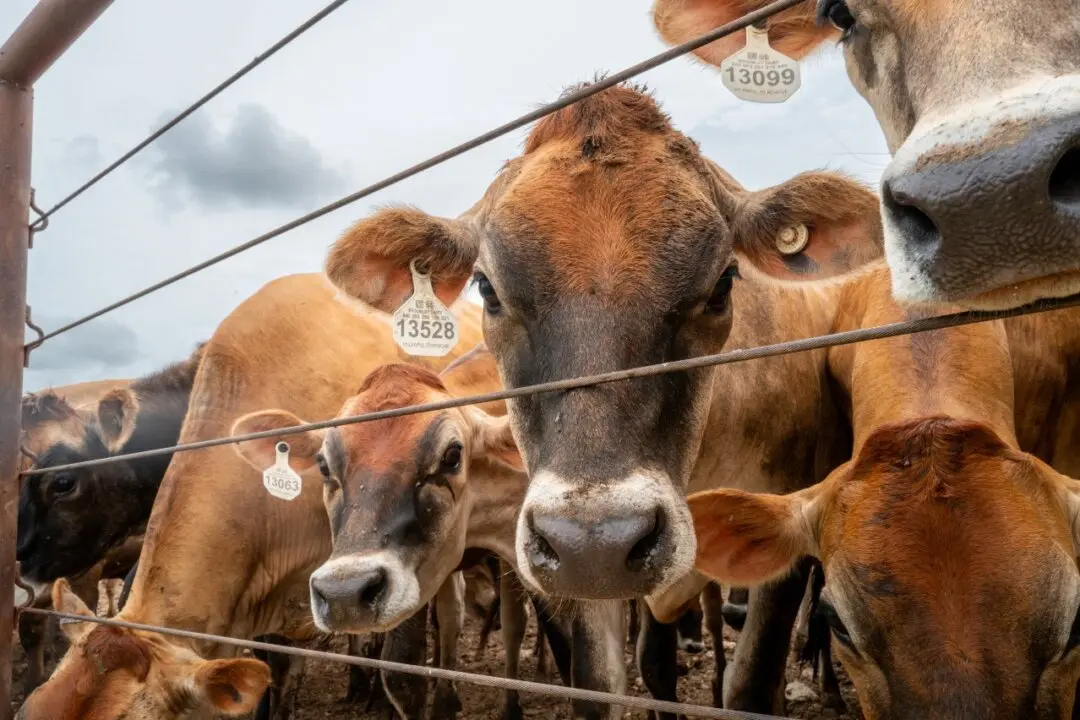
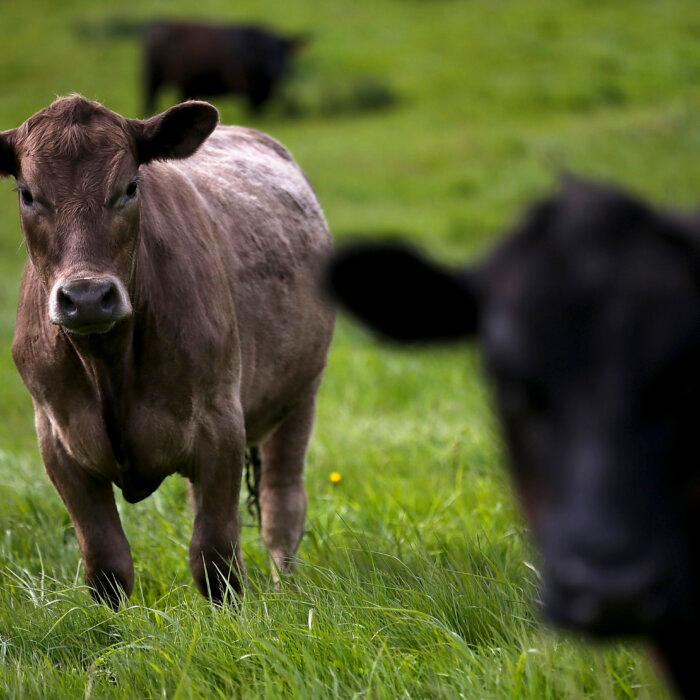
By the time a calf hits the ground on my ranch, I am already making a bet on the future. And when I’m making breeding decisions, it will be about 3 1/2 years from breeding a cow to the point that beef is ready to be processed. That is the length of the cycle we are working with.
A calf born this past January will not be ready for harvest for roughly 2 1/2 years. That is 2 1/2 years of feed costs, drought risk, market swings, fuel prices, labor challenges, interest rates, and regulatory uncertainty. It is a long biological cycle in a world that now makes political and economic decisions overnight.
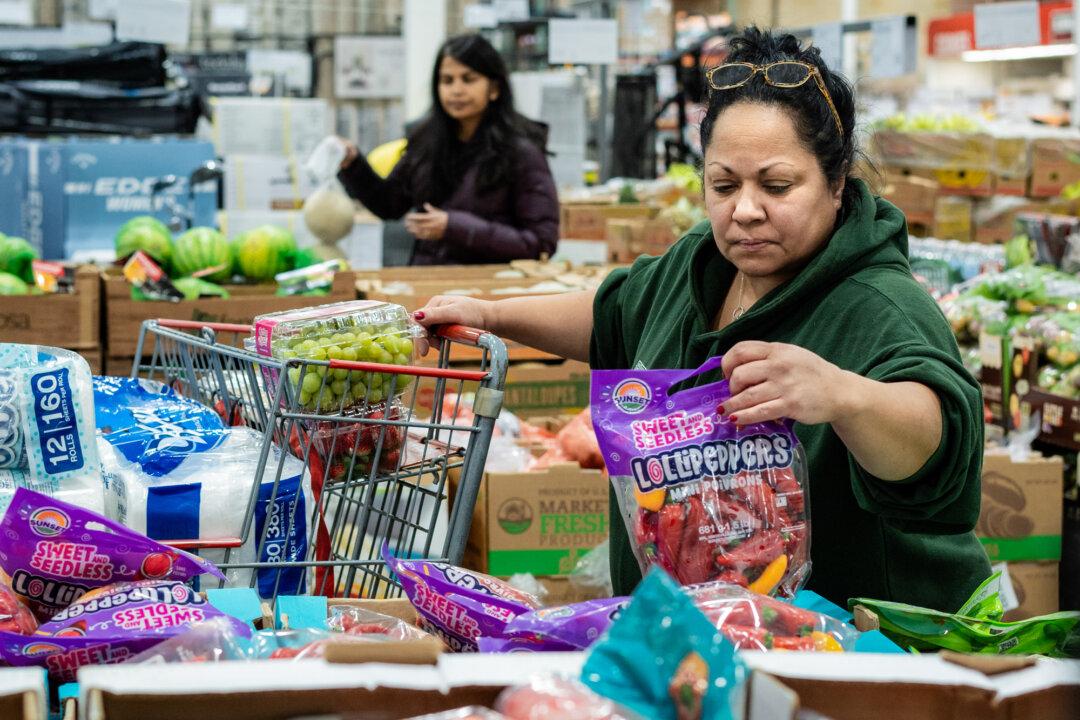
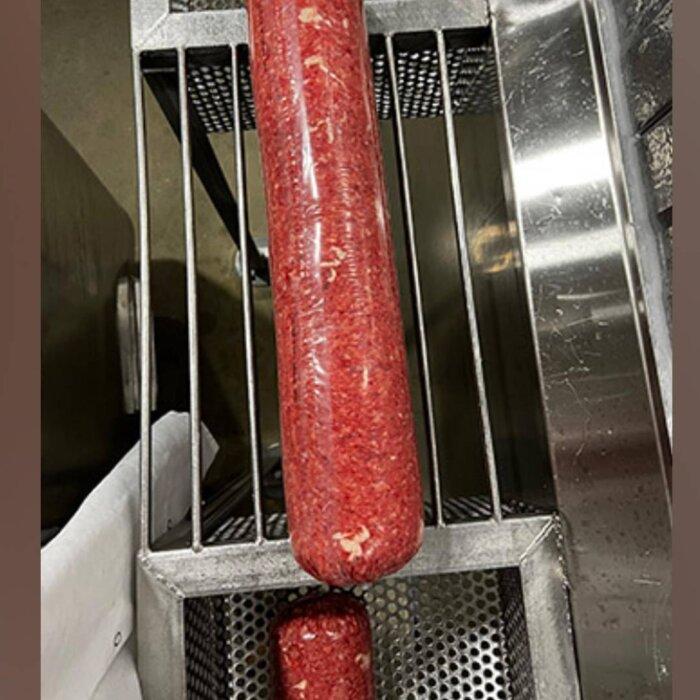
So when I hear that President Donald Trump signed an executive action expanding the tariff-rate quota for imported beef trimmings—allowing roughly 80,000 metric tons of additional lean beef from Argentina, much of it destined for ground beef, to enter the United States at a lower duty rate—it no longer feels abstract. It feels personal.
For people outside the cattle industry, this may sound like a practical move to create fairness and lower food prices. Economists will say this is not price control, just a trade decision meant to increase supply. But from where I stand, on the land, with animals that take years to raise, the outcome looks and feels a lot like price manipulation.
If the president says beef is too expensive and then takes action specifically designed to make it cheaper, we can debate the terminology. But the practical effect is downward pressure on the price that American ranchers receive. And that lands hardest on those of us who are already operating on thin margins, long timelines, and enormous risk.
We are told this is about helping the American consumer. But how does lowering the price of beef today help us rebuild the American cattle herd tomorrow?
We are already sitting at historically low cattle numbers in this country. Drought, high input costs, consolidation in processing, and years of financial strain have pushed many producers to scale back or exit altogether. Rebuilding a herd is not like flipping a switch. It takes years of retained heifers, good forage, capital, and confidence in future markets.
Policies that signal cheaper imported beef are the opposite of confidence.
And this decision did not happen in a vacuum.
Argentina is in the middle of a major economic shift. Under President Javier Milei, the country has been aggressively restructuring its economy, loosening export controls, lowering trade barriers, and positioning itself as a more open, market-oriented player on the global stage. Beef is one of Argentina’s most iconic and competitive exports, deeply tied to its land base and ranching culture.
In recent months, the United States and Argentina have moved closer economically, with new trade understandings that expand market access in both directions. From a geopolitical perspective, this may look like strengthening ties with a reform-minded government in South America.
But from the perspective of an American rancher, it raises a hard question: Why are we supporting one of our greatest cattle competitors at the exact moment that our own herd is at historic lows?
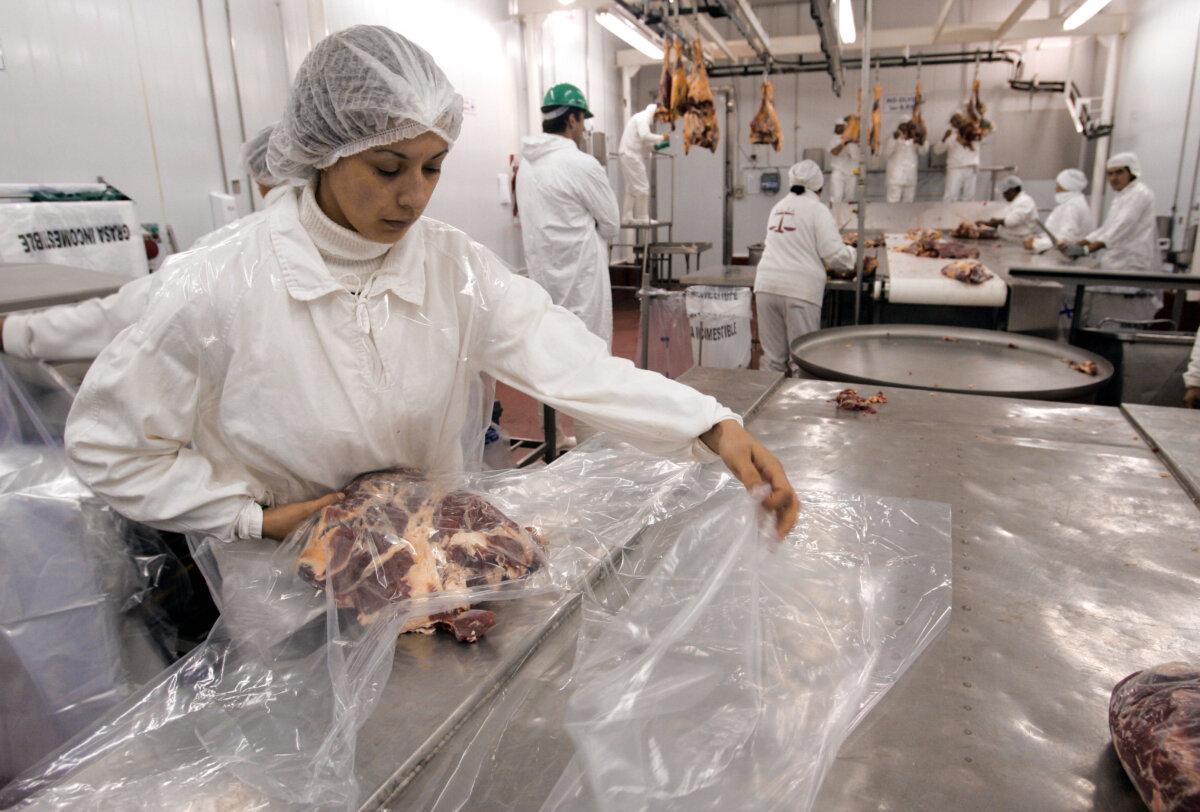
Argentina is not a minor producer. It is a global beef powerhouse with vast grazing lands and lower production costs in many areas. When we open our market wider to their beef, we are not just adding supply. We are asking American families—already stretched thin—to compete more directly with a foreign industry operating under a completely different set of economic pressures.
How does that encourage a rancher here to hold back replacement heifers instead of selling them? How does that help a young family trying to get into a cow–calf operation when land, equipment, and cattle are already expensive? How does it strengthen American independence, resilience, or homeland security?
We talk constantly about sovereignty, about secure borders, about putting America first. But food is national security. If we cannot feed ourselves, we are not sovereign. If we rely more and more on other nations to supply our protein, we are not strong. We are dependent.
There is a strange, one-sided outrage in our country right now. People will shout about undocumented labor driving down wages, and that is a real and complicated issue. But those same voices often say little about cheap imported food produced with lower land and labor costs and different standards, undercutting American farmers at home.
Cheap food has become a kind of national addiction. We have outsourced production to wherever it is cheapest, without fully reckoning with what that has done to our rural communities, our soil, our local economies, and our long-term resilience. We have optimized for low price at the checkout line, while hollowing out the systems that actually keep us fed.
And in the middle of it all, there is a growing sense among farmers and entrepreneurs that the system is stacked against us. There is a layer between the people and real value creation that seems to extract wealth without taking risks, without raising animals, without planting crops, without riding out droughts or market crashes. The oxygen, the real value, keeps getting siphoned off, while those of us on the ground are told to just be more efficient.
None of this is shocking. It is just the latest gut punch.
I do not expect perfection from any administration. I understand that governing a country of at least 340 million people is complex. But “America First” should mean American farmers, American ranchers, and American food production come first, too.
We cannot scream at each other in the streets about red versus blue or left versus right while the very foundation of our food system continues to erode. The real divide is not between neighbors. It is between short-term thinking and long-term resilience, between cheapness and true value, between dependence and sovereignty.
If we want to be a strong nation, we have to be able to feed ourselves. That means policies that encourage herd rebuilding, support new farmers getting on the land, and give producers the confidence that if they take on the risk of raising food over the years, their own government will not undercut them at the last minute.
Lowering beef prices through imports may win short-term political points. But if it discourages the next generation from raising cattle here at home, we will pay for that cheap burger many times over in the years to come.