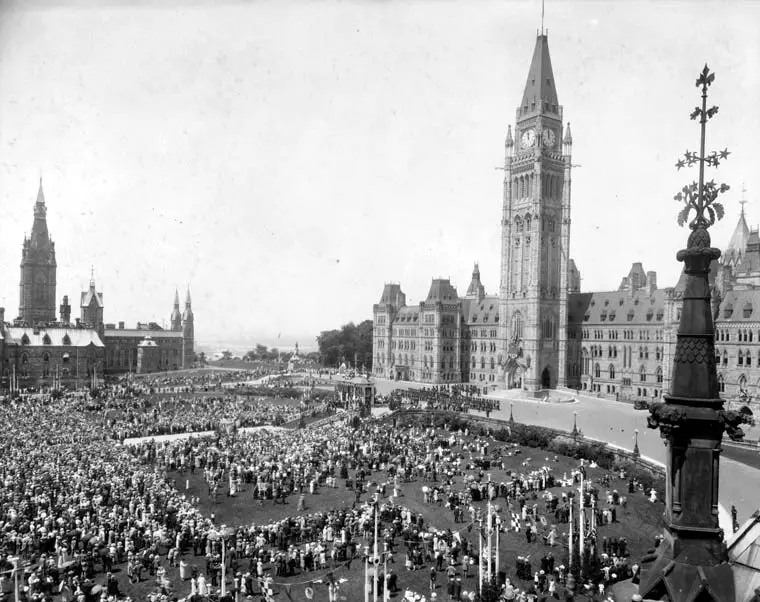
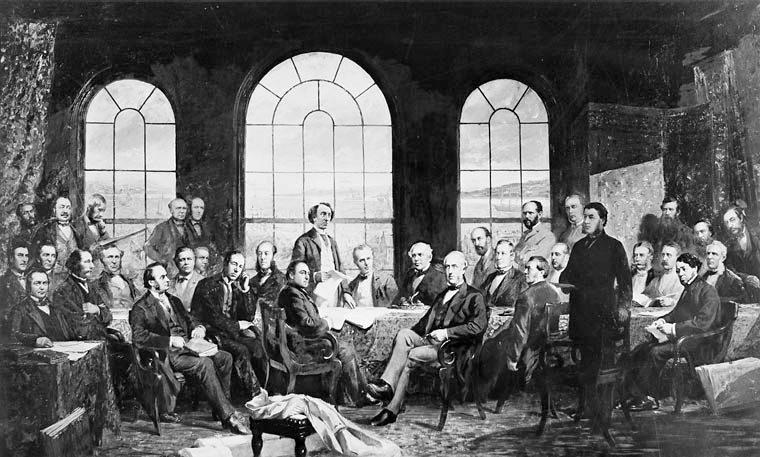
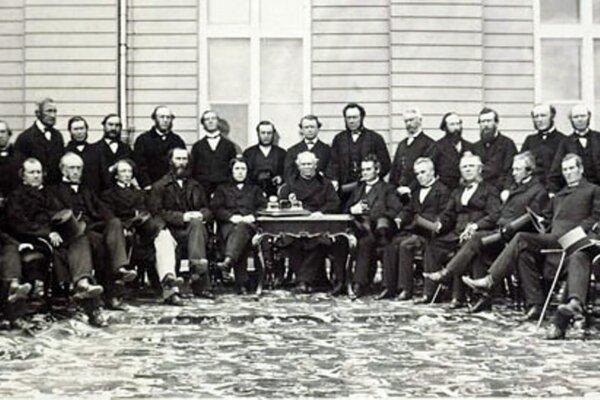
There are quite a few lesser-known Fathers of Confederation who deserve to be remembered for their cameo appearance, or even as best-supporting actors. Sir Alexander Campbell was a best-supporting actor, a reliable all-round steady hand, a good second string.
Campbell was unlucky in his personal life. He was “hampered by incurable lameness,” reported the Victoria Daily Colonist, referring to a bad leg that caused a severe limp. He sometimes stumbled. On one occasion in 1883 while attempting to sit down he missed a chair, and “fell violently on the floor and jarred his spine,” as Macdonald reported in a note to the governor general, the Marquess of Lansdowne.
It frightened contemporaries, too, that Campbell suffered from epilepsy—“a disease of the brain,” as a reporter put it. One quack doctor prescribed “Goulard water,” a toxic mixture of lead monoxide and wine vinegar advertised as “Dr Goulard’s celebrated infallible powders.” That cannot have done much good! After one bad seizure in 1886, Campbell sailed to England “for the purpose of warding off symptoms of insanity.”
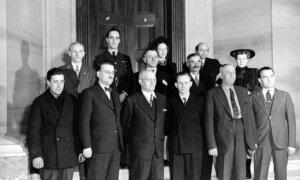
Tragedy struck again when Campbell’s son, Archy, died in a shooting accident that was initially misjudged a suicide.
Campbell’s marriage to Georgina Frederica Locke Sandwith, a Yorkshire lass whom he married on a return trip to England, broke down after he began working in Ottawa. That sadly continued even though he once refused an important political appointment in order to stay near home and help with the children.
All of this background was embarrassing in a Victorian political setting, and this helps explain why Campbell’s career was somewhat cast in shadow.
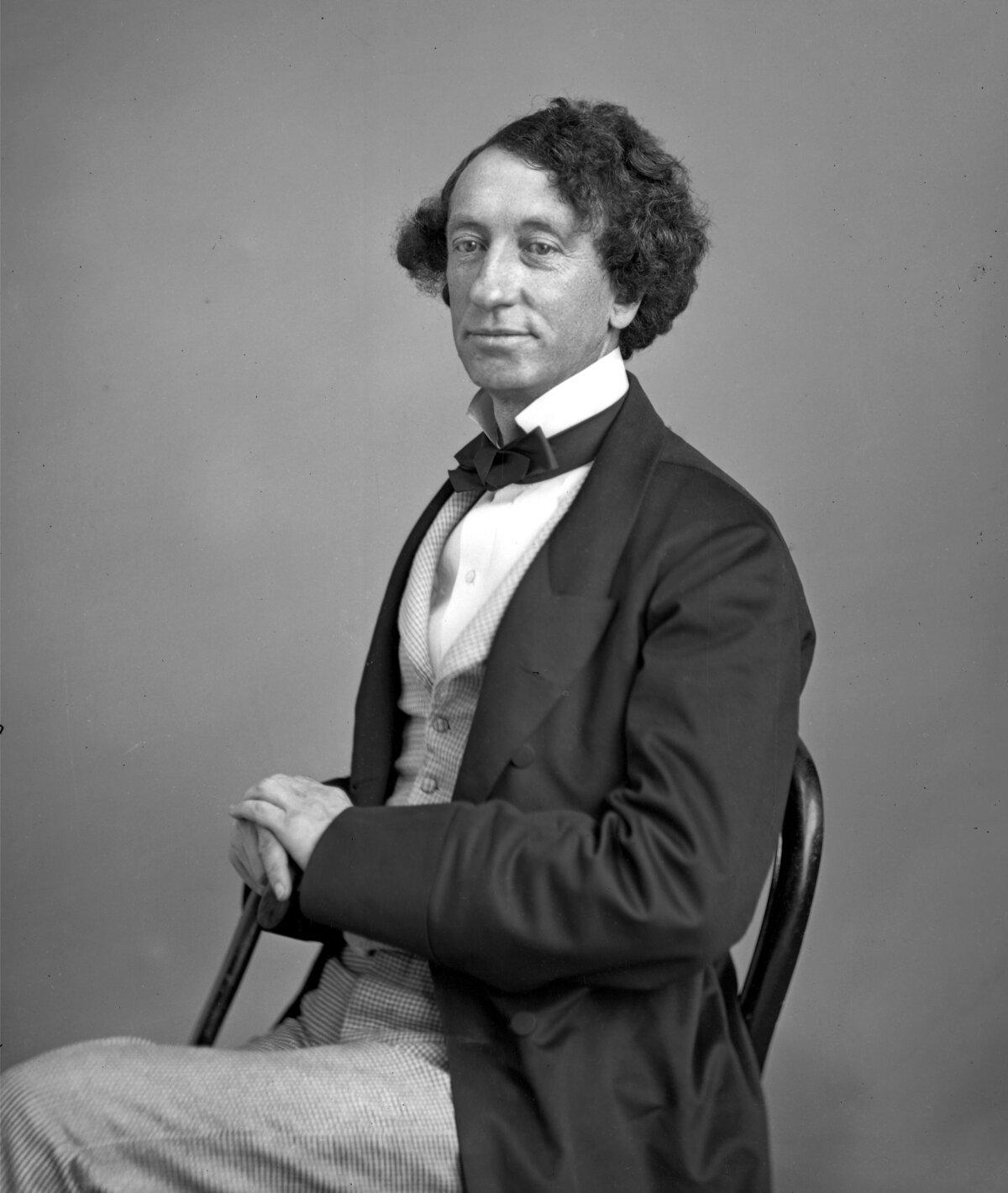
Born in Yorkshire in the north of England, the young Alex Campbell came to Montreal with his family in 1823. They settled in Kingston in 1836 where he briefly attended the same school where Sir John A. was an alumnus, the Midland District Grammar School. The headmaster was George Baxter who, like Macdonald, was a Scots convert to Anglicanism. Campbell, age 17, then articled as Macdonald’s second student (after Oliver Mowat, the future Ontario Premier, Liberal grandee, and lieutenant governor of Ontario) at his Kingston law office. They became law partners in 1843, the start of a long association.
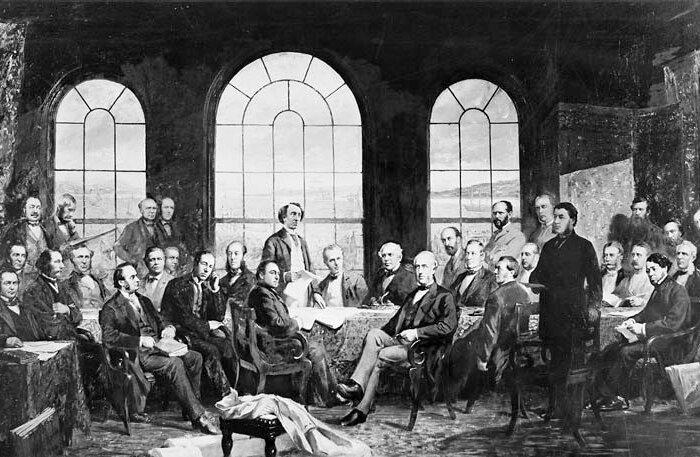
Campbell was a prominent defender of the idea of union. In the Confederation Debates of 1865, he spoke from experience when he compared union to a marriage, in which the spouses strive to make it work despite difficulties. He said of the agreement made at the Quebec Conference in 1864: “It may not be perfect; but are we to have no union because the scheme is not perfect? Must there not be forbearance and mutual concessions? Let those honourable gentlemen who have had the good fortune of forming unions say whether any union can be formed either happy or lasting without forbearance on both sides.”
He steered the legislation successfully through the Province of Canada Assembly. It split Canada into two provinces, restoring the Lower Canada part of the old Province of Quebec and creating a new one called Ontario, based on Upper Canada. It’s easily forgotten that modern Canada was born with a separation and that there is no particular reason that Confederation could not be remade or reorganized after a separation, as in the past.
Campbell’s reward in 1867 was to be made a Conservative senator back when the Upper House was chock-full of distinguished personages, the cream of English and French Canada. Indeed, Macdonald made him Government Leader in the Senate—a new parallel in their collaboration, the direct equivalent of prime minister in the House of Commons. There, Campbell again proved his worth, becoming known as “minister of almost everything,” and managing six portfolios. As Minister of Justice 1881–85, he defended the execution of Louis Riel—but that is a topic for another article.