Thanksgiving is almost here, and every year around this time, I notice how much the holiday has shifted.
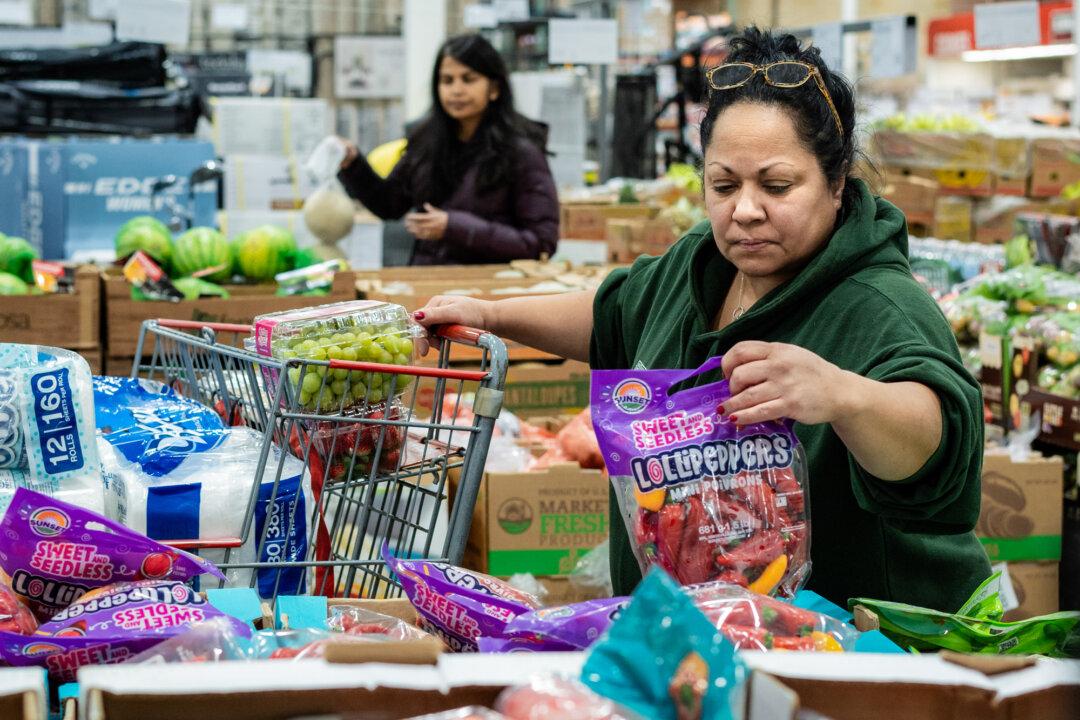
For many families, the meal has become something we assemble from stores and restaurants rather than something we create together. People pick up pies from a bakery, order sides from their favorite restaurant, and hunt for the cheapest turkey on sale. The holiday becomes a checklist. Turkey. Stuffing. Rolls. Pie. Finished.
There is nothing wrong with convenience. I have participated in it myself. As a chef who owned five restaurants in Los Angeles, I have sold more Thanksgiving sides over the years than I could possibly count. Thousands and thousands. I have watched people come through the doors stressed, grateful, relieved that someone else was handling part of the meal.
Supporting your favorite restaurant is not a problem, and, in fact, it keeps local businesses alive. There are many years when outsourcing part of the meal is what makes gathering possible at all.
But this year, I feel called to something different.
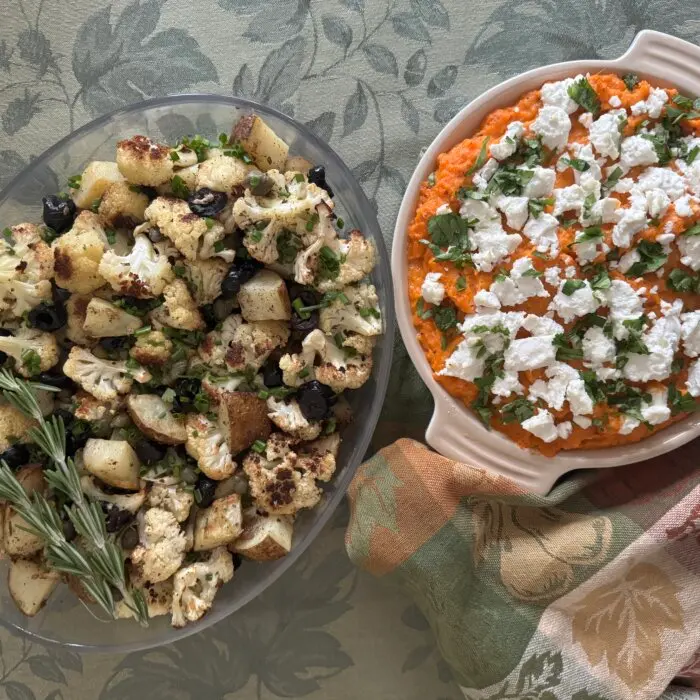
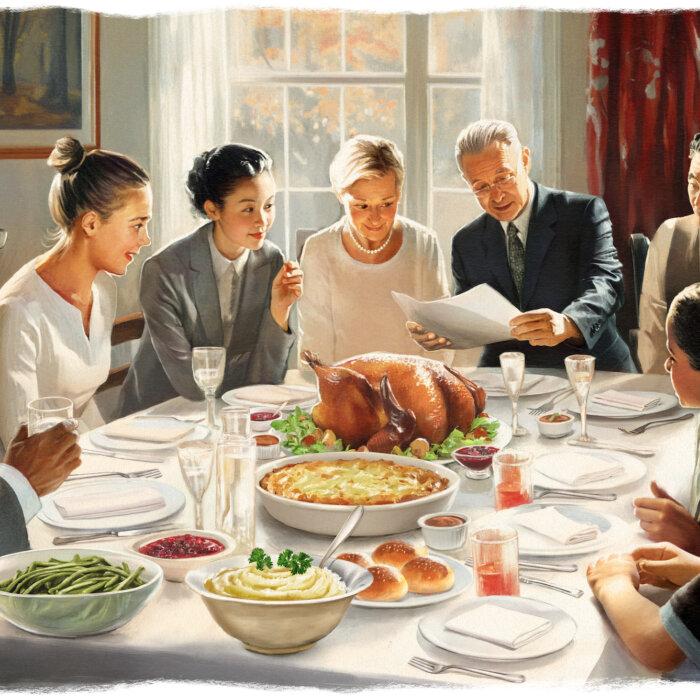
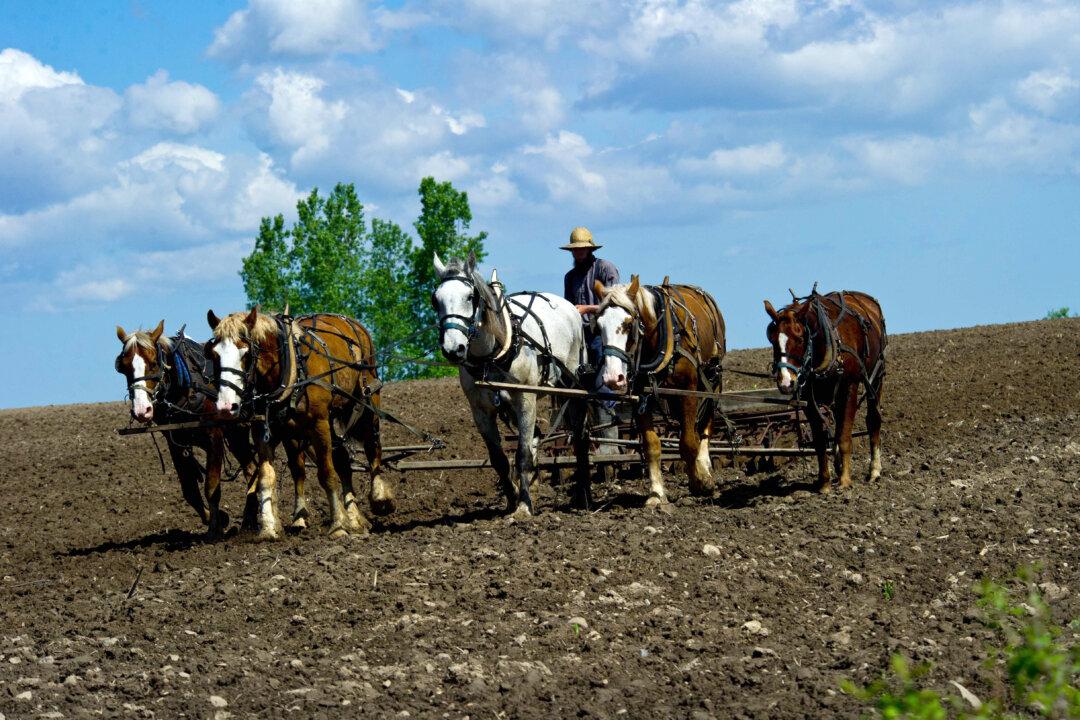
There is a part of me longing to bring back the slower version of Thanksgiving—where the preparation was part of the meaning and where family worked side by side in the kitchen—not because it is trendy or aesthetic, but because it roots us back into what this holiday was originally about: gratitude, harvest, family, and reverence.
So at my house this year, we are pressing pause. We are not serving guests. We are not rushing. We are slowing down together. My husband hunted wild turkeys on our land. My daughter and I will bake pies from pumpkins we planted months ago. We are making cornbread from corn grown here on the ranch, and that same corn will also become tamales. We harvested our own sweet potatoes and will be cooking them, too.
One of the things I am most excited about is the ponche. It is a traditional Mexican holiday drink filled with fruit and warm spices. Usually, you buy the sugarcane, but earlier this year, we planted some and tended it through the season. So this year, the ponche will be made with fruit, spices, and the sugarcane we grew ourselves. It is a small thing, yet somehow it feels like a thread stitching the past and present together.
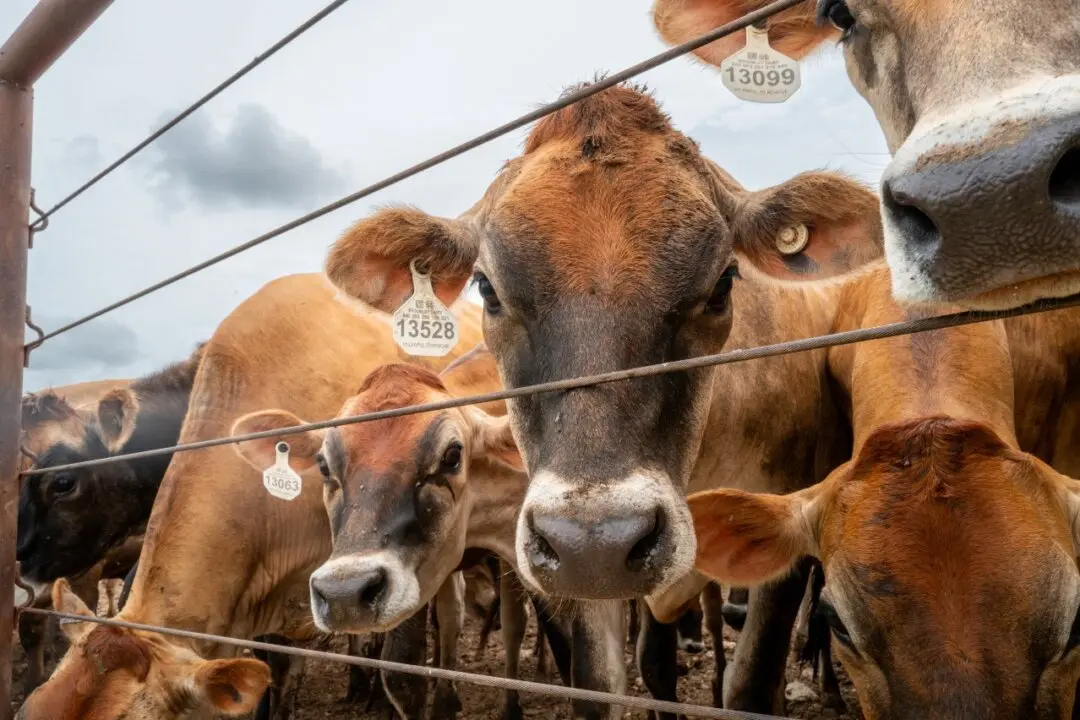
Starting life over at 47 has not been simple. Farming is financially stressful, unpredictable, and often exhausting. But even in the difficulty, there is something sacred about feeding my family food we grew, raised, harvested, or hunted. I want my children to experience the process. I want them to understand that food does not simply appear—it grows, takes time, and requires care. It is a relationship, not just a transaction.
I am not suggesting everyone needs to hunt their own turkey or grind their own corn. That is not the point. The invitation is simply to slow down enough to reconnect with the meal. Maybe that means buying produce from a local farm. Maybe it means making one dish from scratch that you usually buy. Maybe it means dusting off an old family recipe that has not appeared in years because it felt too time-consuming. Maybe it means welcoming everyone into the kitchen and cooking together rather than having one stressed person do it all alone.
There was a time when meals, especially holiday meals, were more than consumption. They were storytelling, memory, belonging, and gratitude. Somewhere along the way in modern culture, food became something to purchase efficiently and move on from.
But we do not have to keep living that way.
Maybe the food this year does more than fill the plate. Maybe it connects us. Maybe it reminds us where food comes from. Maybe it reminds us of the hands that raised it, harvested it, transported it, sold it, and cooked it. Maybe it brings us back to the understanding that nourishment is relational.
Let this Thanksgiving be a little slower. Let it be more intentional. Let it be less about perfection and more about presence. Less about convenience and more about connection.
And maybe, when the meal is finally ready and everyone sits down to share it, the slowness will turn out to be the real blessing.