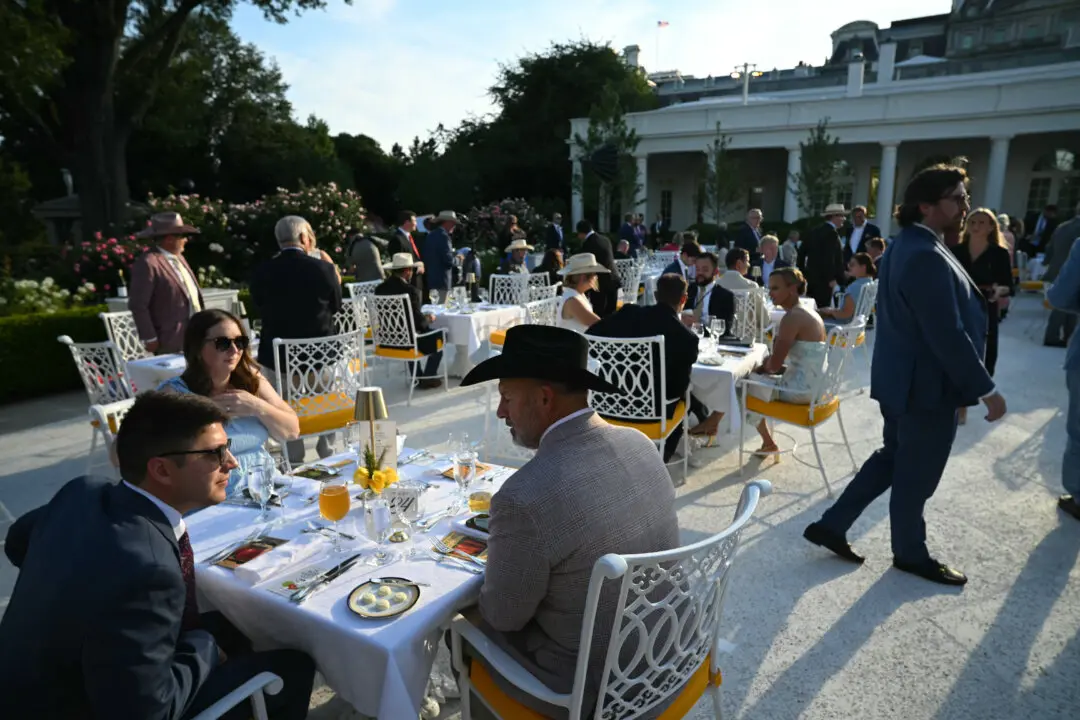
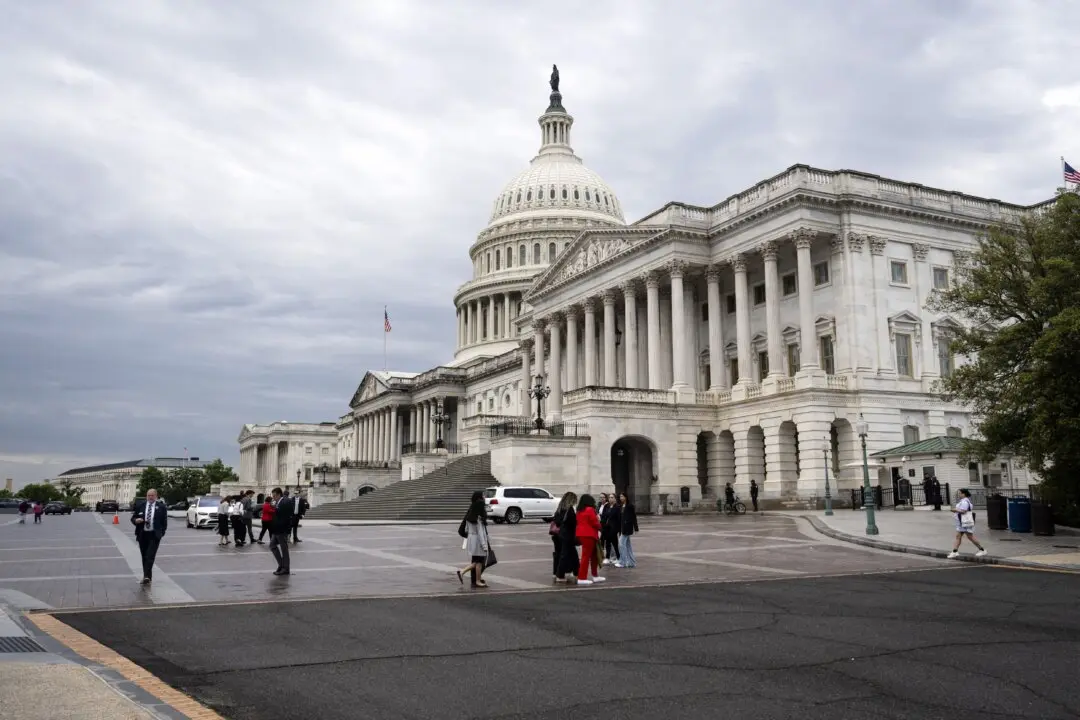
On a warm July night, millions of Americans will spread blankets on the grass, pass paper plates of barbecue, and tilt their heads skyward as fireworks burst in red, white, and blue. Children will wave sparklers, bands will play patriotic songs, and we’ll mark the 250th birthday of the United States.
Milestone birthdays have a way of making us reflect. We ask what we’ve accomplished, where we’ve fallen short, and what comes next. Perhaps nations deserve the same kind of reflection.
One of the more intriguing observations in history comes from British General Sir John Glubb. In his essay “The Fate of Empires,” he argued that many of history’s great powers seemed to follow a remarkably similar arc, often lasting around 10 generations, or roughly 250 years.
His theory is far from universally accepted. History rarely follows neat formulas, and every civilization is unique. Still, the pattern has lingered because it raises an uncomfortable question.
What if great nations are not destroyed overnight? What if they gradually lose the very qualities that made them great?
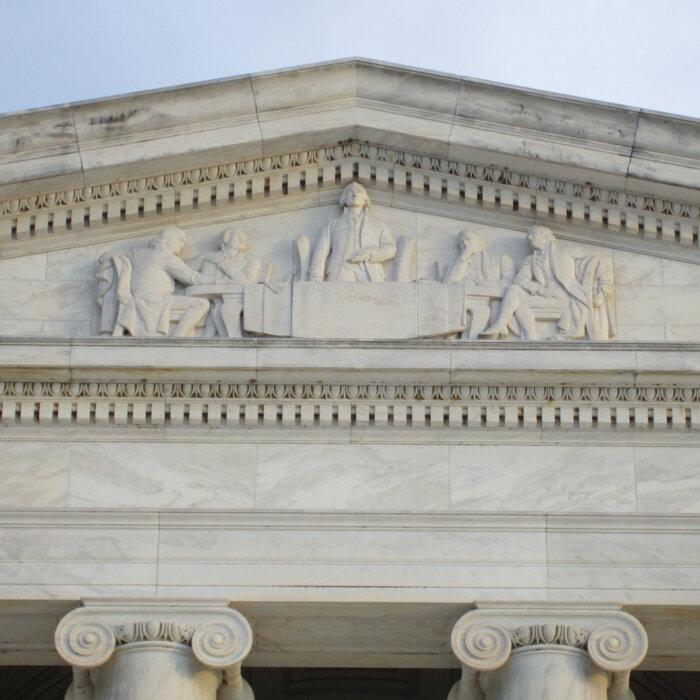
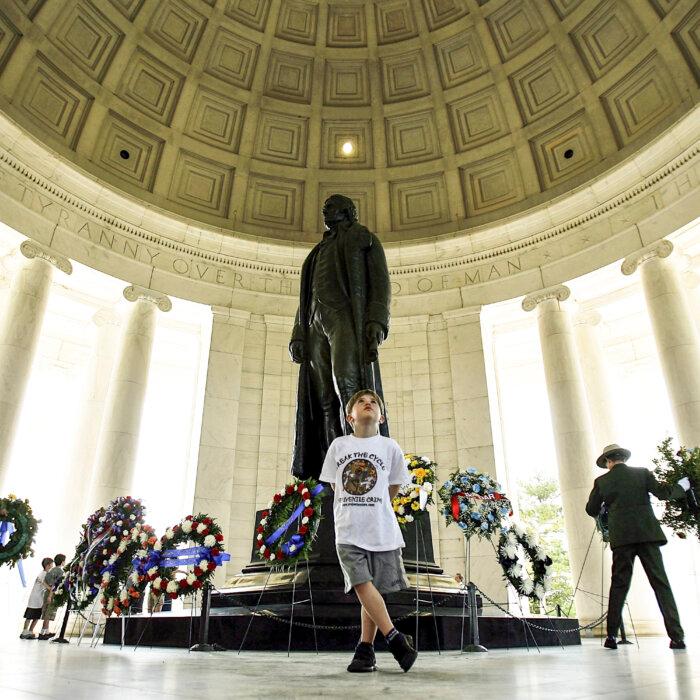
Whether America is approaching such a moment is impossible to know. But as our nation reaches its 250th year, it is difficult to ignore some of the same warning signs that appeared in other societies before periods of decline.
Our national debt now exceeds the size of our economy, and interest payments consume an ever growing share of the federal budget. History offers countless examples of governments that borrowed heavily, believing prosperity would continue indefinitely, only to discover that debt eventually limits both freedom and opportunity.
Economic inequality has also widened dramatically. Every free society will have differences in wealth, and success should never be punished. But history reminds us that when opportunity begins to feel unattainable for large portions of the population, social cohesion weakens and resentment grows.
Trust, perhaps more than anything else, has become increasingly scarce. Confidence in government, media, higher education, and many of our major institutions has declined steadily for decades. A free republic depends upon trust. Without it, every disagreement becomes a crisis, every election becomes existential, and every compromise feels like surrender.
At the same time, America’s responsibilities around the world have grown enormously. Maintaining a global military presence has brought undeniable benefits, but it has also come with extraordinary costs. Historians have long debated whether great powers eventually become stretched beyond what their economies and citizens are willing to sustain.
Perhaps most concerning is our growing inability to see one another as fellow Americans first. Political disagreements are nothing new. They are part of a healthy republic. But when disagreement turns into contempt, and neighbors begin viewing one another as enemies rather than citizens with different ideas, the foundations of self government begin to weaken.
None of these trends guarantees decline. History does not operate like a mathematical equation. America has surprised the world before. We have endured a Civil War, the Great Depression, two world wars, and periods of profound social unrest. Those moments remind us that decline is never inevitable. But neither is renewal. Renewal requires citizens who are willing to confront difficult truths before they become irreversible problems.
That is precisely why I hesitate to embrace either extreme. I don’t believe America is destined to collapse simply because a calendar says we are 250 years old. Nor do I believe we should dismiss historical patterns simply because they make us uncomfortable.
History is less valuable as prophecy than as a mirror. We study the rise and fall of other civilizations not to predict our future with certainty, but to recognize our own blind spots before they become our own mistakes.
America has often been called the great experiment, and I think that’s exactly right. The Declaration of Independence and the Constitution were never guarantees that liberty would endure forever. They were an invitation to attempt something extraordinary: a nation founded not on bloodlines, geography, or monarchy, but on the radical idea that free people could govern themselves.
Experiments can succeed. They can fail. More importantly, they require continual attention, humility, and the willingness to correct course when the evidence suggests something isn’t working.
This Fourth of July will be a time to celebrate, but also a time to reflect. Milestone anniversaries have a way of inviting both gratitude and honesty. We can be profoundly thankful for the remarkable nation we’ve inherited while also asking difficult questions about how we preserve it for the generations still to come.
When Benjamin Franklin was asked what form of government the Constitutional Convention had created, he famously replied, “A republic, if you can keep it.”
Perhaps that has always been the real challenge.
The American experiment is now 250 years old. Whether it reaches 500 depends on each of us. The future of this republic will not be decided by historical patterns or anniversaries on a calendar, but by millions of ordinary Americans choosing, every day, to preserve the principles that gave it life in the first place.
A republic, if we can keep it.