Before a single missile was fired in the war with Iran, I wrote about a conversation with a fertilizer salesman. He was not trying to sell me anything. If anything, he was doing the opposite. He warned me not to buy.
At current corn prices, he told me plainly, there was no way for most farmers to make fertilizer pencil out this year. This was not because they were inefficient or unwilling to work hard. The math simply did not work.
That was before this latest round of conflict.
Fertilizer was already sitting at multi-year highs, a trend that began during the war in Ukraine and never fully corrected. Prices had come off their peaks, but they never returned to a level that restored real margin for farmers. Going into 2026, inputs were already higher than in the year prior.
Then, in a matter of weeks, fertilizer prices surged again. In many markets, they rose by 30 percent to 40 percent, with some nitrogen inputs jumping by as much as 70 percent since winter. These are not marginal increases. They are structural shocks to the cost of growing food.
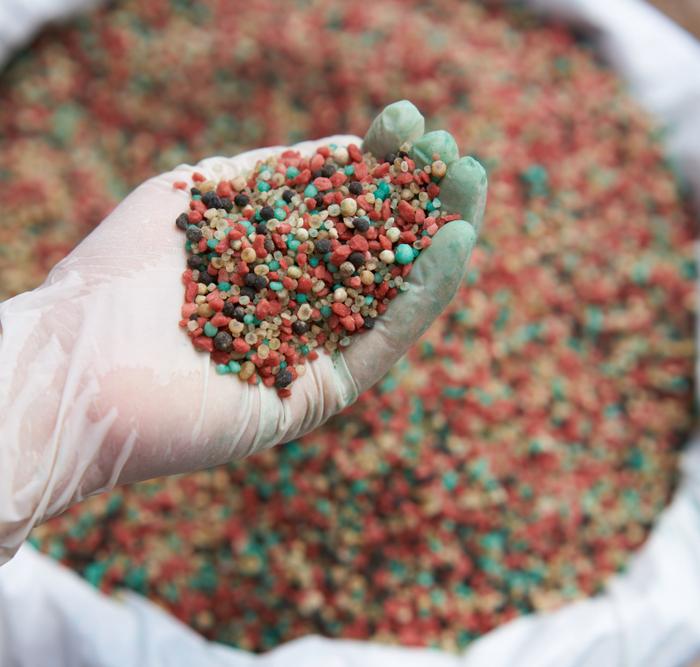
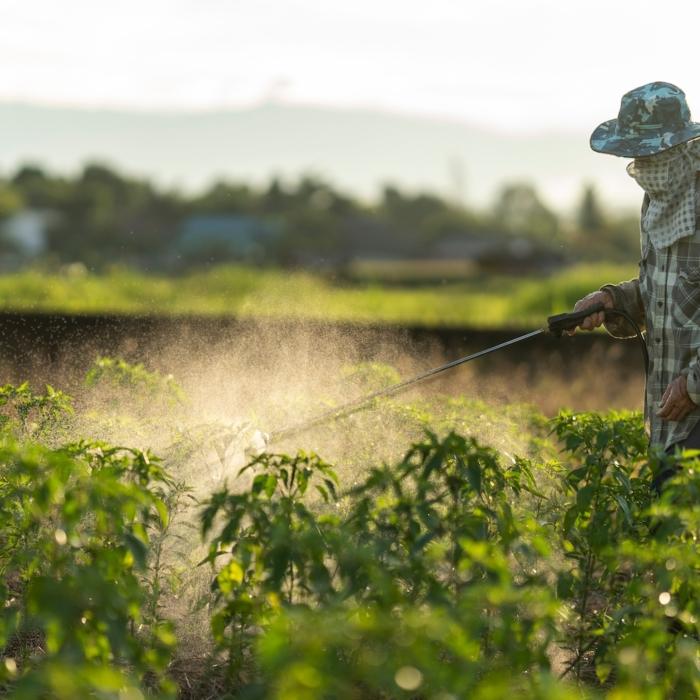
Farmers do not set their prices; they take them. When the cost of fertilizer rises this sharply, there are only a few options. They can plant less, switch crops, cut inputs, or absorb losses.
For many farmers, however, it is already too late to adjust. The decisions about acreage were made months ago. Seed is in the ground or ready to go, equipment is financed, and land rents are due. The only path forward is to continue, even if it means taking on another year of losses or borrowing against land and assets just to reach the next harvest.
What happens on the farm does not stay on the farm. Higher fertilizer costs increase the per-acre cost, leading to reduced inputs or financial strain. Reduced inputs lead to lower yields, lower yields tighten supply, and tighter supply raises prices.
This does not show up overnight. Gas prices hit immediately, but food does not. Agriculture moves on seasons, not news cycles, and the decisions being made right now will shape what is available on store shelves 12 to 18 months from now.
Part of what is driving this current spike is disruption to one of the world’s most critical shipping corridors, the Strait of Hormuz. This narrow passage between Iran and Oman connects the Persian Gulf to the open ocean, and a significant portion of the world’s energy and fertilizer inputs pass through it.
Nitrogen fertilizer is closely tied to natural gas, and both the raw materials and finished products rely on global shipping routes such as this one. As tensions escalated, shipping through the strait became unstable. Insurance costs rose, vessels slowed or rerouted, and supply tightened. When a chokepoint such as this is disrupted, the ripple effects are global and immediate.
The United States produces fertilizer, but we are still tied into a global system. When that system strains, the cost shows up here.
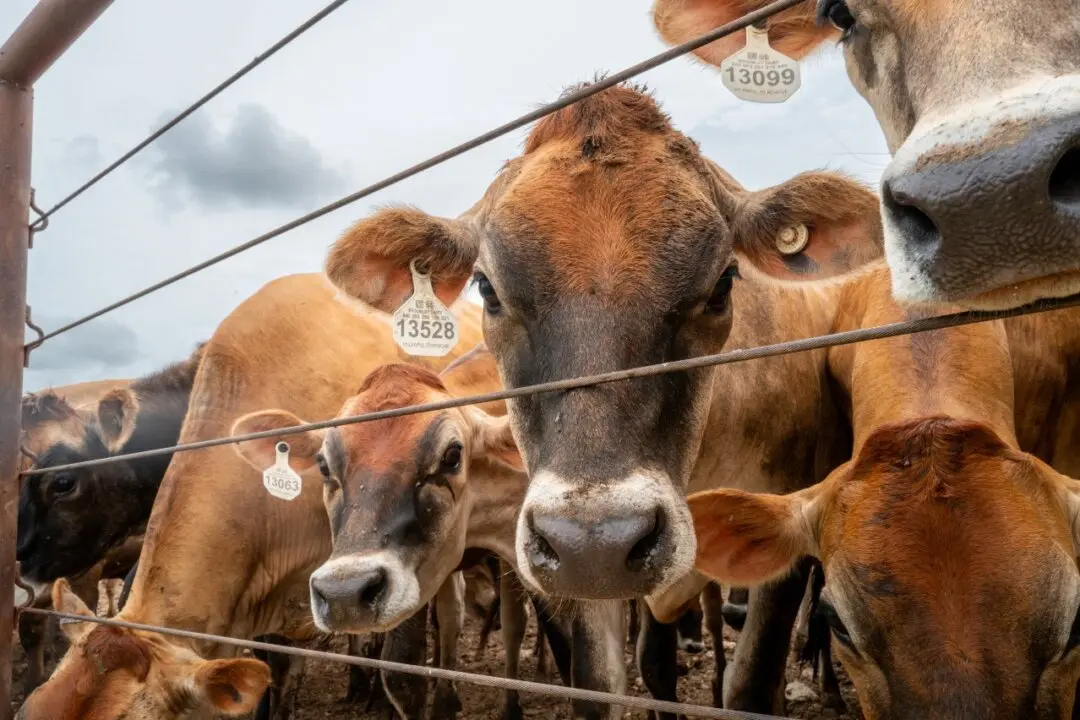
All of this is happening at a time when we are already losing farms. Margins were already thin, and many producers were already working off-farm jobs to stay afloat. Ranchers have been selling off herds, not because they want to, but because they have to. On the other side, families are already stretched and have been feeling rising food costs for years, even before this next wave has fully arrived.
What we are seeing now is not the crisis itself but the beginning of it. It will not arrive all at once. It will build quietly, acre by acre and decision by decision. A farmer applies less fertilizer, another takes on more debt, and another sells part of the herd to stay solvent.
Months later, the consequences begin to surface in smaller harvests, tighter supplies, higher prices, and fewer producers left standing. Agriculture does not collapse in a single moment. It erodes, and then suddenly, it does not.
We cannot control global conflict or shipping lanes halfway across the world, but we can control how dependent we are on them.
For decades, modern agriculture has moved toward inputs that come from far away. Liquid nitrogen, pelletized urea, and phosphorus are mined, processed, and shipped across oceans. These systems require constant purchasing and constant exposure to global volatility. That model works when everything is stable, but it becomes fragile when it is not.
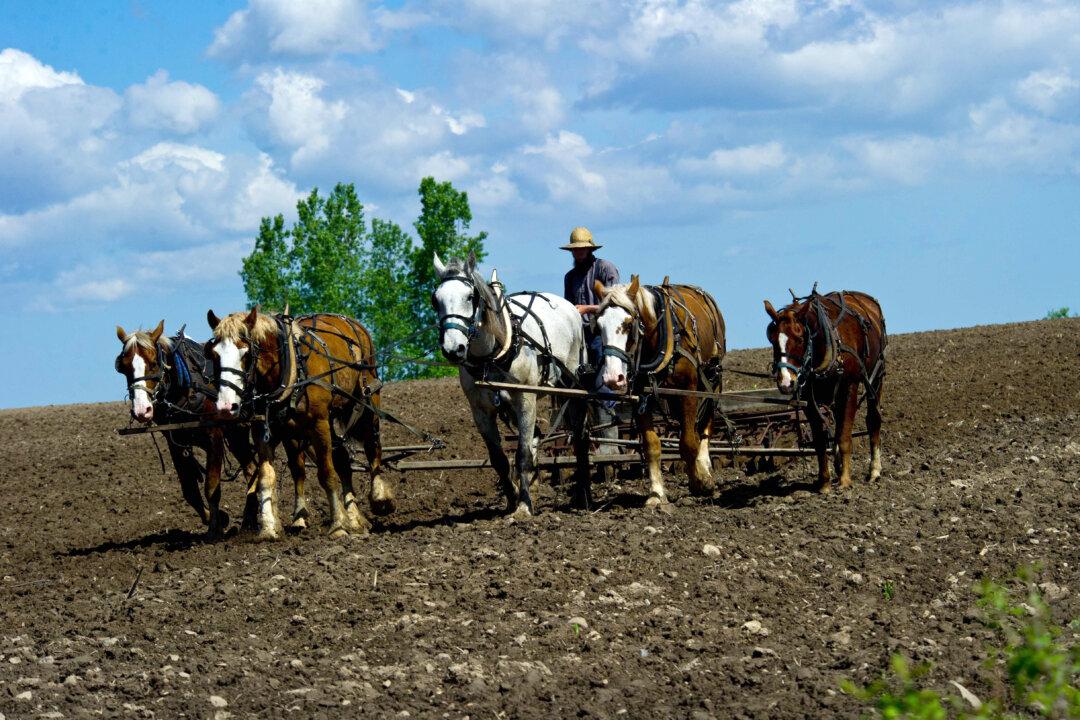
There is another way, and it is not new. It looks like building fertility on the farm instead of buying it in a bag. It looks like compost instead of chemical dependence, cover crops feeding the soil instead of leaving it bare, and the integration of animals back onto the land to cycle nutrients naturally.
It may look slower and less efficient on paper, but it is far more resilient. When fertility is built into the soil instead of purchased on the market, a farmer is less exposed to global shocks. When animals are part of the system, nutrients cycle locally. When soil is alive, it holds water, withstands stress, and produces more consistently over time.
These are not outdated ideas. They are foundational ones, and in a moment such as this, they are practical.
We need to rethink what it means to be secure, not just as individual farms but as a food system. Right now, we are deeply dependent on systems that we do not control, on shipping routes that we cannot protect, and on inputs that we cannot produce locally at scale. That is not resilience; it is exposure.
We see the farms closing, the herds being sold, and the pressure building.
The question is not whether we will feel this, but how prepared we will be when we do. The path forward is not complicated, but it does require a shift back to basics, back to soil, and back to systems that can stand on their own.
Because when inputs stop flowing easily, the farms that survive will not be the most efficient. They will be the most resilient.