The Washington-based IMF said economic activity had “weakened significantly” and that it would take more action from central banks across the world to stave off a new global recession, according to the agency’s semiannual economic outlook.
Economic growth has been especially sluggish in developed countries in the eurozone, as well as the United States. Although the Asian economies are comparatively better, if nations in North America and Europe do not improve, Asian countries will not escape economic peril, the IMF stated.
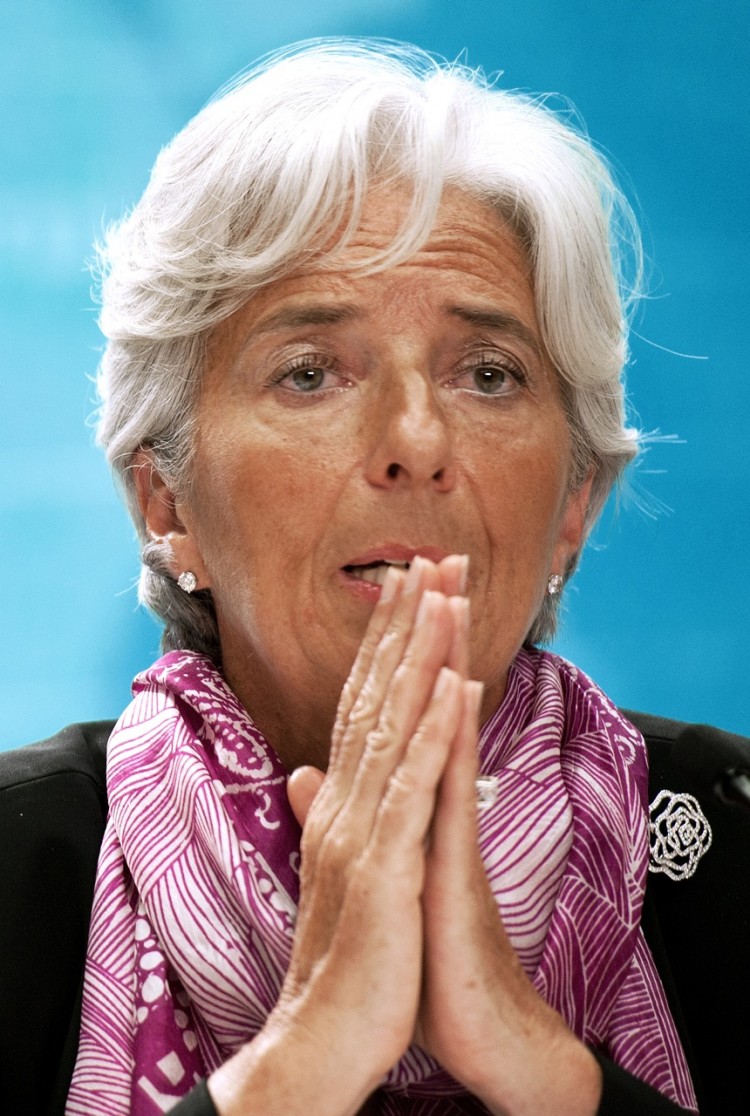
“Without collective, bold action, there is a real risk that the major economies slip back instead of moving forward.” IMF Managing Director Christine Lagarde said in a speech last week in Washington.
The IMF forecasted U.S. economic growth to be around 1.5 percent, and predicted that the national unemployment rate—currently at 9.1 percent—will remain above 9 percent for the near-term.
“The advanced countries in particular are facing an anemic and bumpy recovery, with unacceptably high unemployment,” Lagarde said. “The euro area debt crisis has worsened. Financial strains are rising.”
The financial markets have seesawed in the recent weeks as investors are keeping an eye on the unfolding debt and deficit issue in the United States, and possibly a spreading sovereign debt crisis in Europe. However, political gamesmanship and gridlock in the United States and questions of unity in Europe could derail recovery efforts in the respective regions.
Analysts are expecting the Federal Reserve to announce more purchases of long-term U.S. government bonds to inject more cash into the market and keep interest rates low in the short term.
"There is a wide perception that policymakers are one step behind markets. Europe must get its act together,” IMF Chief Economist Olivier Blanchard said in the report.