The DREAM Act would have granted an estimated 2.1 million undocumented people under the age of 30 a path to become American citizens if they complete high school, stay out of trouble with the law, and complete two years of college or military service.
Forms of the DREAM legislation have been in the pipeline for nine years; attempts have been made to pass it before and failed, but many felt this was the best opportunity yet.
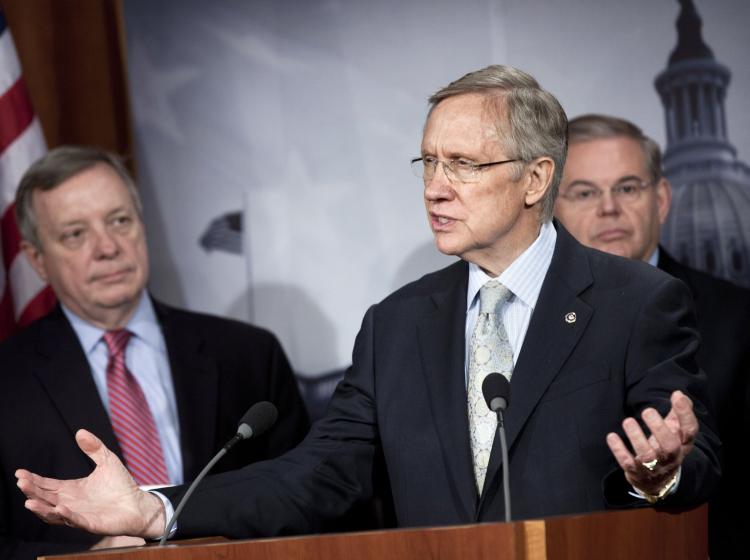
Taking advantage of the final days of the 111th Congress where they still hold a strong Democratic majority, Majority Leader Harry Reid called a Senate cloture vote, which came up five votes shy. The House set the stage for the vote last week, passing the legislation with a strong majority.
Senators cast their votes Saturday morning before the watchful gazes of a gallery filled with undocumented youth, who had traveled to Washington, to witness the historic moment.
When the final tally was announced (55-41) some students burst into tears, but the group quickly rallied their disappointment into determination to continue the fight.
Lorella Praeli, speaking with fellow supporters after the vote in a video posted by United We Dream, said their stories had changed now, and that they still had lots of work to do.
"They don’t have control over me anymore, because I am not waiting anymore. I am speaking out now, and encouraging others to feel empowered to speak out," she said.
United We Dream is a national network of organizations formed last year to rally support for the DREAM Act. They say approximately 15,000-20,000 young people have “come out” publicly to show their undocumented status and make their voices heard.
The immigration reform movement has been bolstered by an absence of deportations over the last year of young people who would qualify for legal protection under the act. This is likely part of the reason a boom of undocumented students have overcome their fears and gone public, said Lindsay McCluskey, president of the United States Student Association (USSA).
In the last month alone, the National Immigration Law Center has documented 850,000 calls, e-mails, and faxes to members of Congress, 81,000 petition signatures, a joint letter signed by 109 national organizations, 40 press conferences, and a radio ad campaign in five states supporting the legislation.