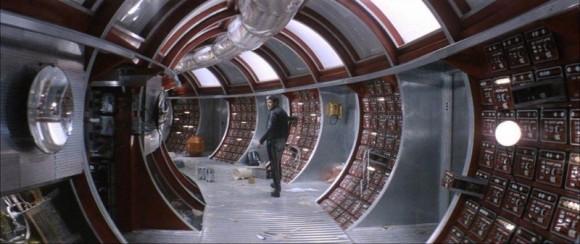
Thirty-seven years before the publication of the Ted Chiang novella that would be adapted as “The Arrival,“ polish author Stanisław Lem had already grappled with the challenges of human communication with radically dissimilar life forms. However, some of those themes of his novel were overshadowed by a more fundamental examination of what it means to be human in Andrei Tarkovsky’s classic cinematic adaptation. Easily one of the most important science fiction films of all time, Tarkovsky’s ”Solaris,” returns to New York theaters this May 12, freshly restored by Mosfilm from the original negative.
Kris Kelvin sounds cold. In fact, he has been emotional unavailable to those closest to him, resulting in the tremendous guilt he bears. As “Solaris” opens, he is spending what could well be his final day on Earth, essentially saying farewell to his elderly parents. He will soon leave for the space station orbiting planet Solaris. Communications with the crew have been garbled, so Kelvin is to assess their condition and determine whether the mission can continue.
It is pretty clear the Earthbound authorities would prefer to pull the plug. Ever since space pilot Henri Berton gave an outlandish report of an attempted rescue mission in the planet’s atmosphere, the reputation of so-called Solaristics has suffered in scientific circles. Kelvin’s initial meetings with the two surviving crew members do little to reassure him. Much to his disappointment, his friend Dr. Gibarian committed suicide shortly before his arrival, but he left Kelvin a cryptic video warning.