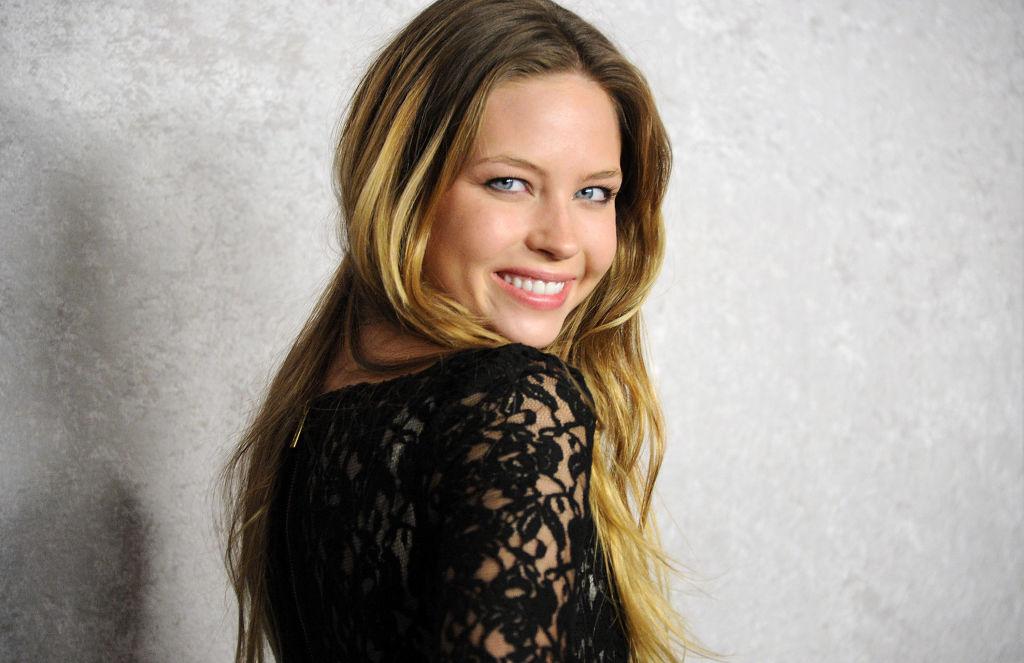
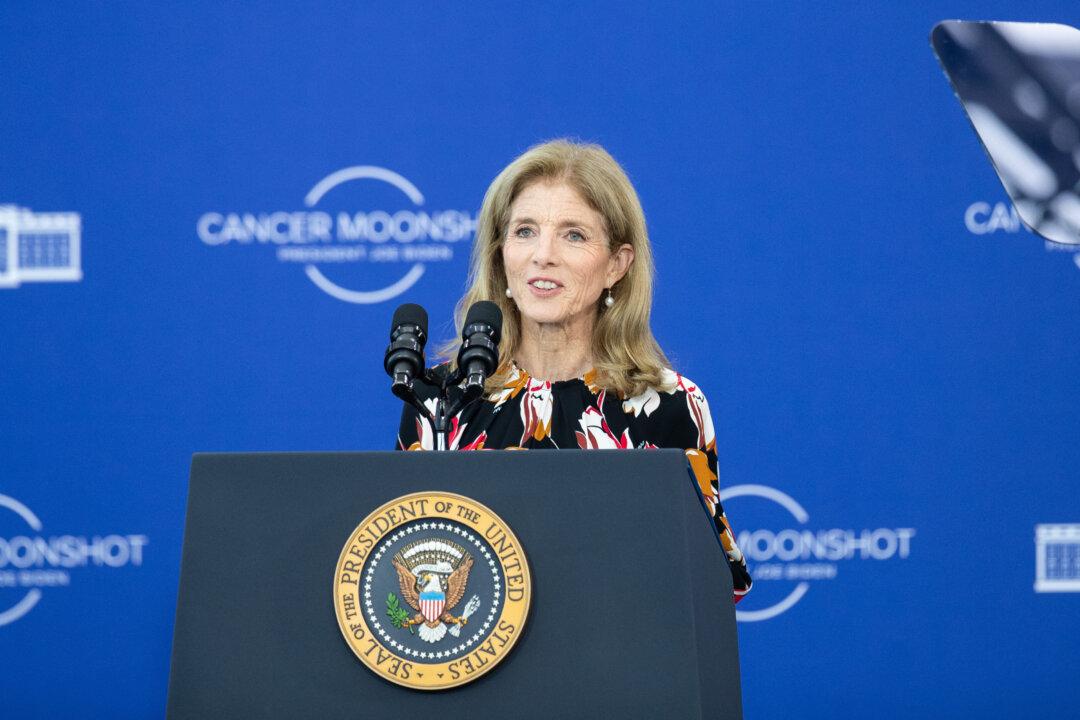
Tatiana Schlossberg, a writer and environmental journalist who was a granddaughter of President John F. Kennedy, died on the morning of Dec. 30 at the age of 35, her family announced.
“I did not—could not—believe that they were talking about me,” Schlossberg wrote, describing the shock of receiving the diagnosis after what she believed had been a healthy pregnancy and while she was living an active lifestyle.
Her treatment included chemotherapy, a bone-marrow transplant, and participation in multiple clinical trials. She later learned that the disease carried a rare genetic mutation, known as inversion 3, associated with poor outcomes.
In the essay, Schlossberg described months spent in hospitals and the emotional toll of confronting mortality while raising young children.
“During the latest clinical trial, my doctor told me that he could keep me alive for a year, maybe,” she wrote. “My first thought was that my kids, whose faces live permanently on the inside of my eyelids, wouldn’t remember me.”
She credited her family with sustaining her through the illness. Her sister, Rose Schlossberg, served as a stem-cell donor, and her parents and siblings were a constant presence during her treatment, she wrote.
“They have held my hand unflinchingly while I have suffered,” she wrote.
Tatiana Schlossberg built a career focused on environmental and climate reporting. She previously wrote for The New York Times and other publications, and she authored the 2019 book “Inconspicuous Consumption: The Environmental Impact You Don’t Know You Have.” Before her diagnosis, she had been planning further research and writing projects centered on ocean conservation.
Born in 1990, Schlossberg earned a bachelor’s degree in history from Yale University and a master’s degree in American history from the University of Oxford. She was the middle child of Caroline Kennedy, former U.S. ambassador to Japan, and designer Edwin Schlossberg.
She is survived by her husband, Dr. George Moran, whom she married in 2017, and their two young children. In her final months, Schlossberg wrote that her priority was time with her family.
“Mostly I try to live and be with them now,” she said.