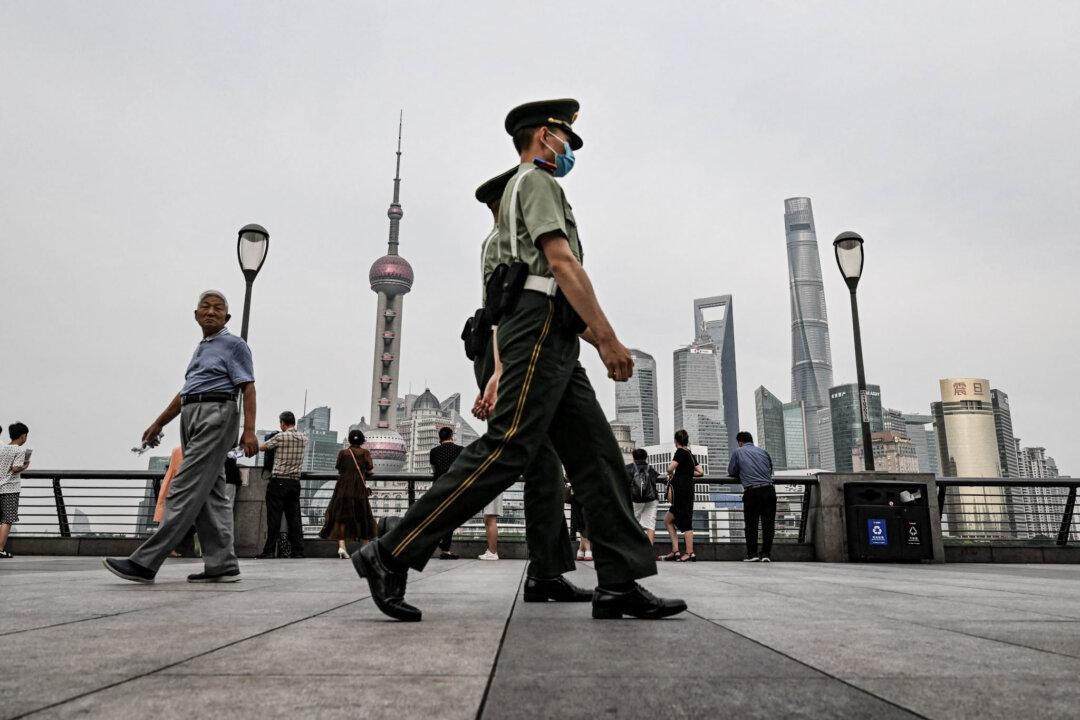
Treasury Secretary Scott Bessent said Tuesday that China is effectively the only remaining major buyer of Iranian oil, as other countries avoid the trade for fear Washington could swiftly reimpose sanctions.
“The Iranians thus far have not been able to sell their oil, because the buyers are a little leary of, will it be re-sanctioned,” Bessent told Fox News. “No one other than China, who was already buying it when it was sanctioned, has bought it, so it’s still trading at a discount.”
According to a March report by the U.S.-China Economic and Security Review Commission (USCC), China imported nearly 1.4 million barrels of Iranian crude per day in 2025, making it by far Tehran’s largest customer.
Bessent said Iran’s small customer base gives Tehran a strong incentive to negotiate with Washington.
He also pointed to falling global oil prices following a U.S.–Iran memorandum of understanding, saying the Trump administration is monitoring gasoline retailers to ensure lower crude prices are passed on to American consumers.
The Treasury chief’s remarks reflect the administration’s strategy of maintaining economic pressure on Iran while pursuing diplomacy over its nuclear program and regional activities. The White House has repeatedly warned that failure to reach an agreement could trigger the rapid restoration of tougher sanctions.
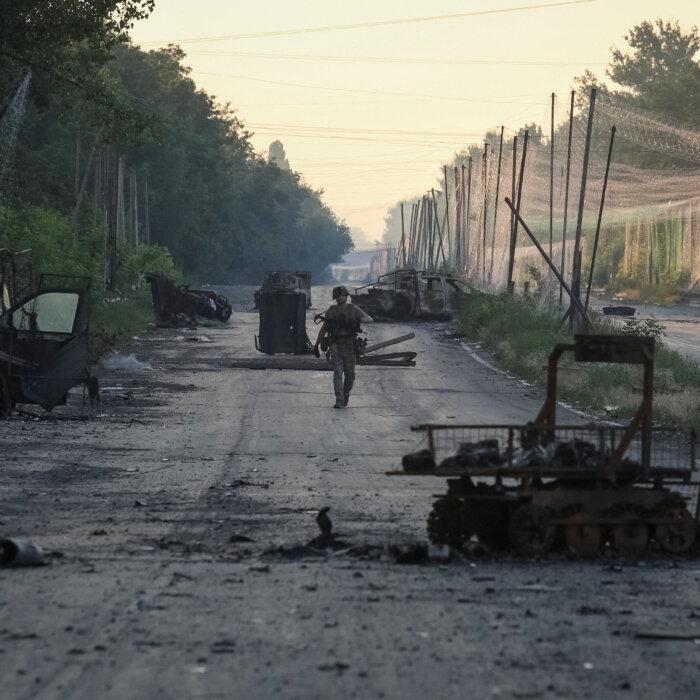
U.S. Mideast envoy Steve Witkoff and Jared Kushner, President Donald Trump’s son-in-law, arrived in Doha, Qatar, on June 30, for talks with mediators over reaching a permanent end to the Iran war.
The impact of Washington’s sanctions campaign extends beyond Iran. China has also relied heavily on discounted Venezuelan crude, buying an estimated 50 to 89 percent of Venezuela’s oil exports despite U.S. sanctions, often through transshipment and other sanctions-evasion networks, according to the USCC.
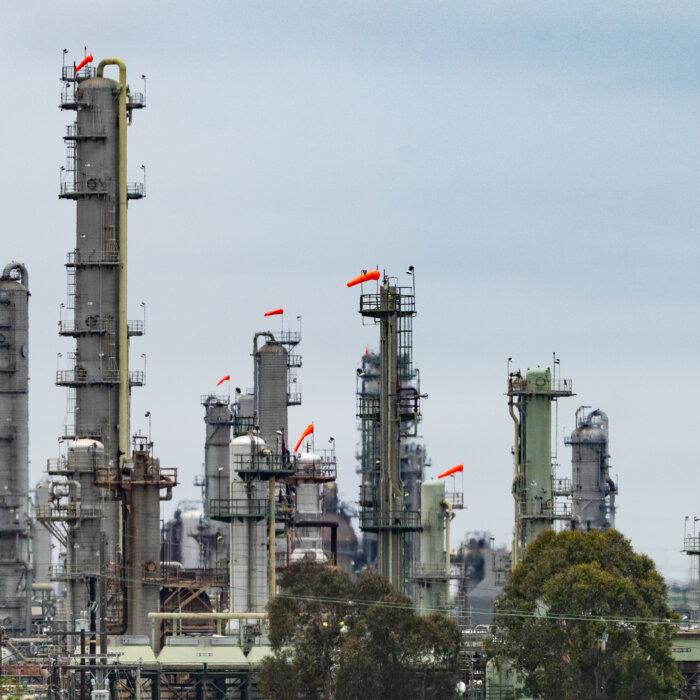
At the same time, if Washington maintains its crackdown on Iranian oil exports, China’s independent “teapot” refiners would likely be forced to seek alternative supplies, primarily Russian crude, and compete with buyers such as India for available cargoes, according to energy analytics firm Kpler.
With crude prices remaining elevated, many independent refiners may instead cut operating rates further, leaving room for state-owned refiners to increase production. Kpler said that would likely require additional inventory drawdowns, potentially prompting Beijing to tap its strategic oil reserves or increase crude imports. The firm also noted that Chinese refiners have held on to their Omani crude cargoes in recent months rather than reselling them, signaling they are already preparing for tighter crude supplies.