China’s anti-graft and disciplinary investigations have targeted a large number of grassroots officials, according to data released by the regime’s top disciplinary watchdog.
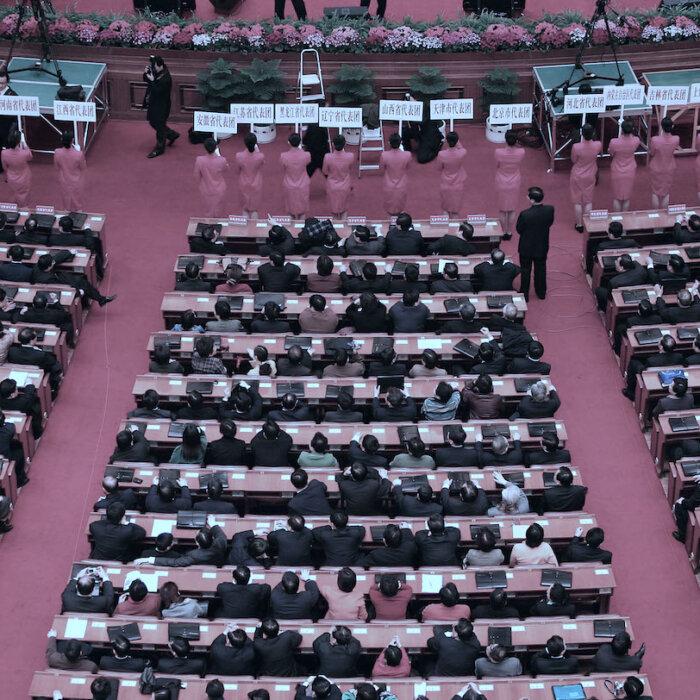
Beijing’s Central Commission for Discipline Inspection and National Supervisory Commission announced on June 24 that a total of 24,513 officials were under investigation in May. Of those, 22,999 were officials at the township level and below, accounting for 93.8 percent of all cases that month.
By comparison, only one provincial-level official was investigated during the same period.
A Chinese scholar surnamed Wang, who requested anonymity for fear of reprisal, told The Epoch Times that without addressing its own fundamental problems, the Chinese Communist Party’s (CCP) disciplinary campaigns have become little more than tools for internal control.
“Those at the top use them to instill fear, while those at the bottom use them to pass accountability down the chain,” Wang noted. “As inspections, blame-shifting, and administrative pressure continue to roll downward, the conflict between local officials and ordinary citizens is only going to get worse.”
With a prolonged property slump, high unemployment, and increasing local government debt, frontline officials have become the main shock absorbers for maintenance and accountability for societal stability.
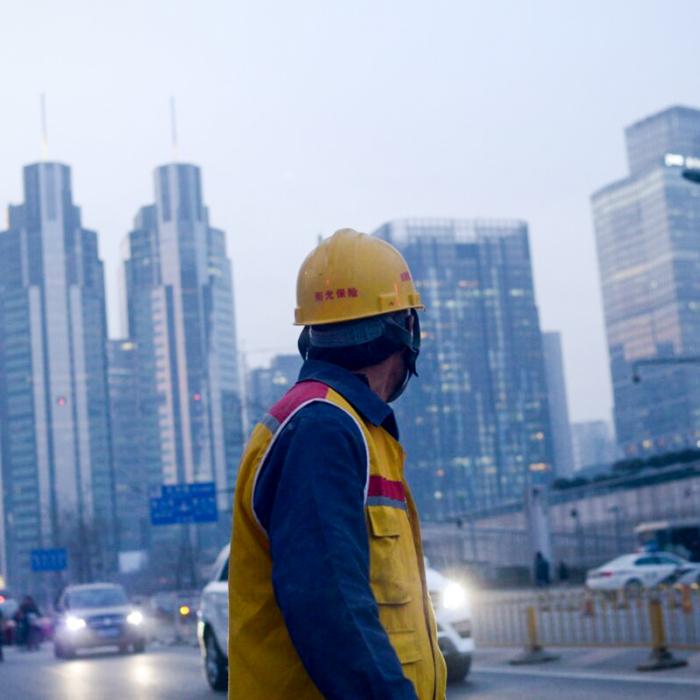
Many grassroots cadres are choosing to “lie flat” to protect themselves amid the increasing economic and political pressure, according to a Chinese scholar surnamed Mou, who asked to use only his surname out of fear of reprisal.
“Lying flat” is a popular Chinese internet term that originally described young people adopting a passive, low-effort attitude as a way to cope with intense social competition and overwhelming life pressures. Today, it has evolved into a broader form of quiet resistance.
“Even a subdistrict office’s Party secretary, despite being among the lowest-ranking officials, holds real power and can rake in plenty of benefits—so naturally, lots of people are fighting for these positions,” he said. But he added that with the Chinese Communist Party’s intensified clampdown on corruption at the local level, officials have started reporting on and attacking each other, creating total chaos.
As a result, many have adopted a “do less, make fewer mistakes” mindset, especially when it comes to project approvals and law enforcement. “Everyone’s scared of causing trouble,” Mou added. “No one wants achievements anymore. Subdistrict offices are terrified of random stabbing incidents or car attacks. If they issue fines, they risk complaints. Make one wrong move and they’ll be held accountable.”
Wang believes that while corruption and abuse of power are real problems among grassroots officials, the CCP consistently avoids addressing the root causes—such as the legitimacy and source of power, judicial independence, and the public disclosure of officials’ assets.
Yesterdayprotest.com, a Canadian-based platform that documents protests in China, recorded dozens of protests across the country in June.
Xue Xiaoguang contributed to this report.