As President Donald Trump prepares for his first visit to China since 2017, tensions surrounding Iran and the Strait of Hormuz have moved to the center of the agenda, according to insiders familiar with preparations for the summit.
“The issue is not just the conflict in the Middle East,” a Beijing-based insider from within the Chinese Communist Party (CCP) told The Epoch Times. “This has become a question of global energy transportation and communications security.”
Iran Emerges as Central Focus
The Beijing-based insider said that Trump originally intended to use the visit to advance trade negotiations, including expanding Chinese purchases of U.S. agricultural goods, Boeing aircraft, and energy products, and to extend a temporary pause in the trade war between the two countries.However, roughly 10 days ago, the insider said that China had received a notice from U.S. officials urging Beijing to prioritize discussions on the Strait of Hormuz and Iran’s regional posture.
In response to queries from The Epoch Times, the White House did not confirm the insider’s claims.
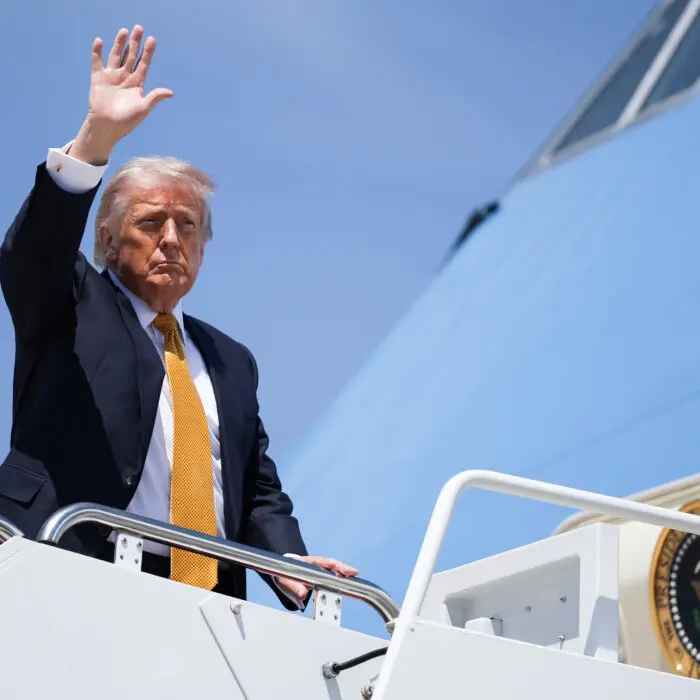
“The president has spoken multiple times with General Secretary Xi Jinping about the topic of Iran and about the topic of Russia, to include the revenue that China provides to both those regimes,” a senior Trump administration official said.
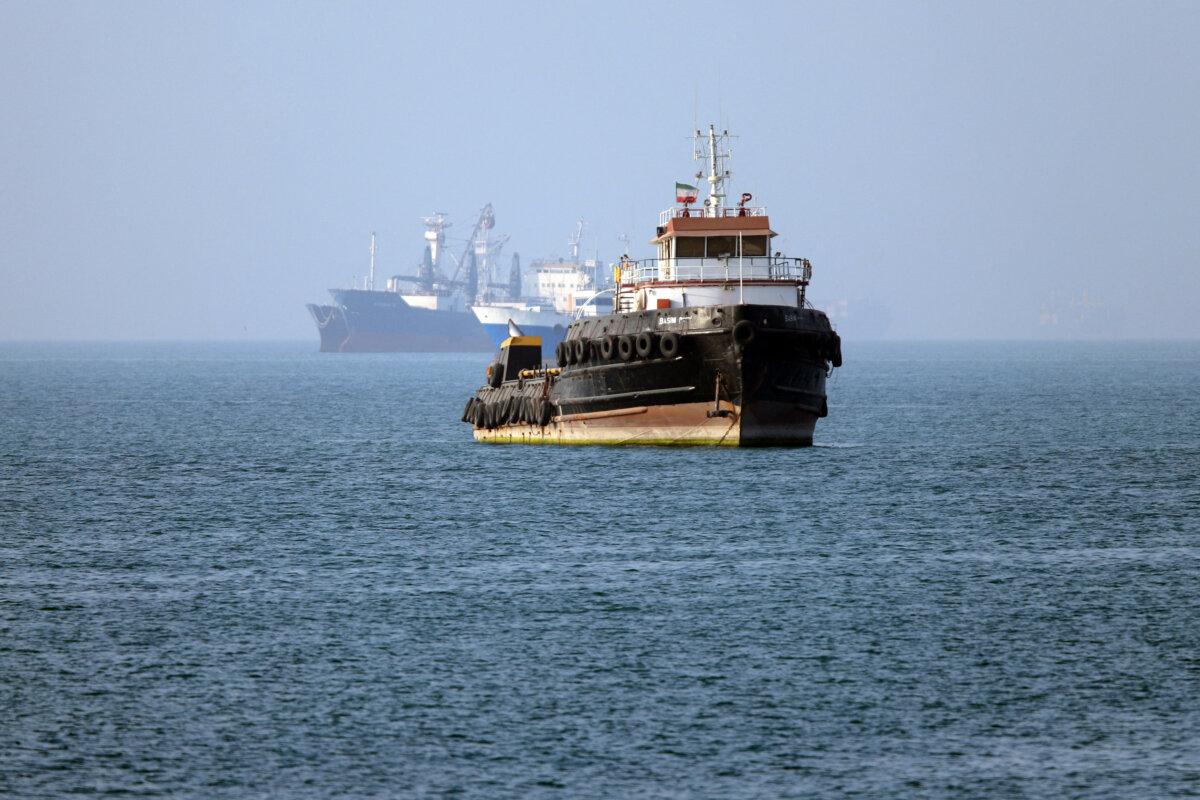
From the Strait of Hormuz to the Taiwan Strait
An insider from the CCP’s foreign affairs establishment told The Epoch Times that Beijing also recognizes that the Iran crisis is increasingly intertwined with the broader U.S.–China relationship.The insider described the upcoming summit as a negotiation shaped by “two straits”: the Strait of Hormuz and the Taiwan Strait.
“The United States wants China to use its influence over Tehran to prevent the Middle East crisis from escalating,” the insider said. “Meanwhile, Beijing hopes to use the talks to secure clearer U.S. assurances on Taiwan.”
Trade, Technology, and Security
Despite the geopolitical tensions, economic issues remain central to the summit.A White House official told reporters during a May 10 call that China is expected to announce new purchases of Boeing aircraft and other investments during Trump’s visit. Both sides are also discussing mechanisms to formalize trade management and investment coordination between the world’s two largest economies.
White House spokesperson Anna Kelly said on the same call that the two sides will also discuss establishing a board of trade and a board of investment to manage bilateral trade and investment.
The leaders are also expected to discuss extending the current trade-war truce, which has allowed rare-earth minerals to continue flowing from China to the United States.
A Tightly Managed Diplomatic Rollout
The summit’s unusually compressed public rollout has fueled speculation about last-minute behind-the-scenes negotiations, according to an insider familiar with Beijing’s diplomatic preparations who spoke with The Epoch Times.China’s foreign ministry did not formally announce Trump’s itinerary until May 11, only days before his arrival—a notable contrast to Trump’s 2017 Beijing visit, which was publicized roughly a week in advance.
According to the insider, some details of the visit remained unsettled until late in the process, including lodging arrangements and portions of the meeting schedule.
The meetings in Beijing will mark the first face-to-face talks between Trump and Xi in more than six months, as both countries seek to manage tensions across a widening range of economic and geopolitical issues.