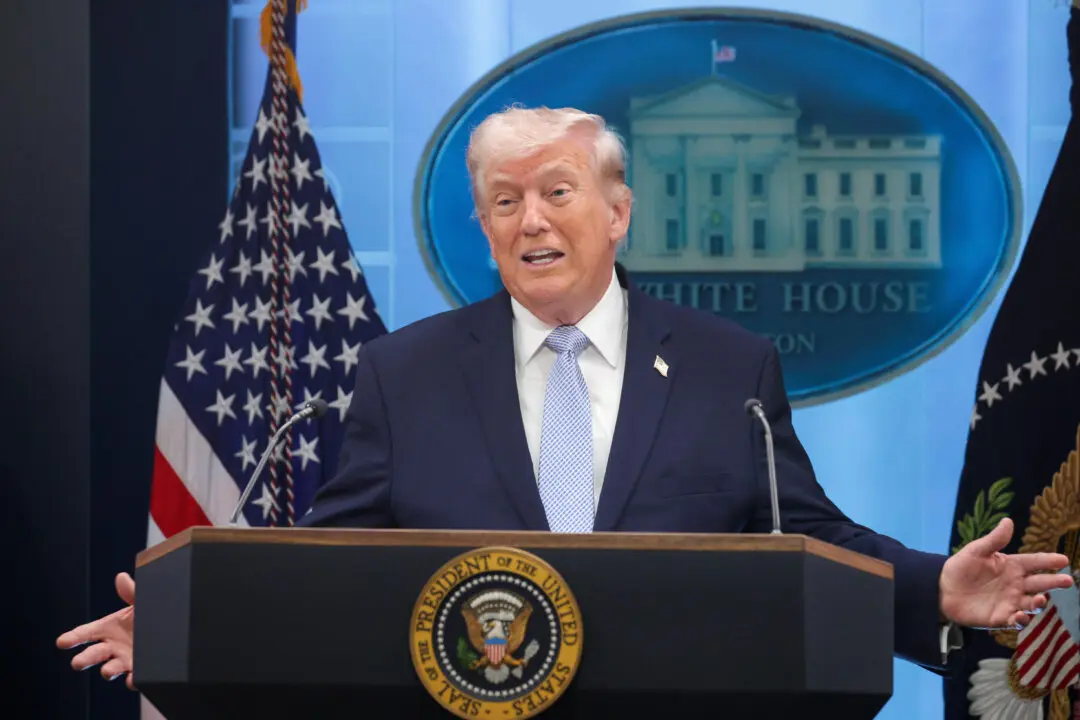
“I feel so badly,” Trump said during a press briefing. “I asked to consider his release. He’s not well. He’s an older man, and he’s not well. So I did put that request out. We'll see what happens.”
Lai, founder of the now-closed newspaper Apple Daily, was convicted on Dec. 15 in Hong Kong of two counts of “conspiracy to collude with foreign forces” and one count of “sedition” for his activism. Lai had pleaded not guilty to all charges.
Meanwhile, the Chinese regime and Hong Kong’s leader, John Lee, applauded the guilty verdict.
Lai was among the highest-profile activists charged under Hong Kong’s revised national security law. The law, which now gives Beijing broad powers to target critics of the regime, sparked mass protests in Hong Kong.
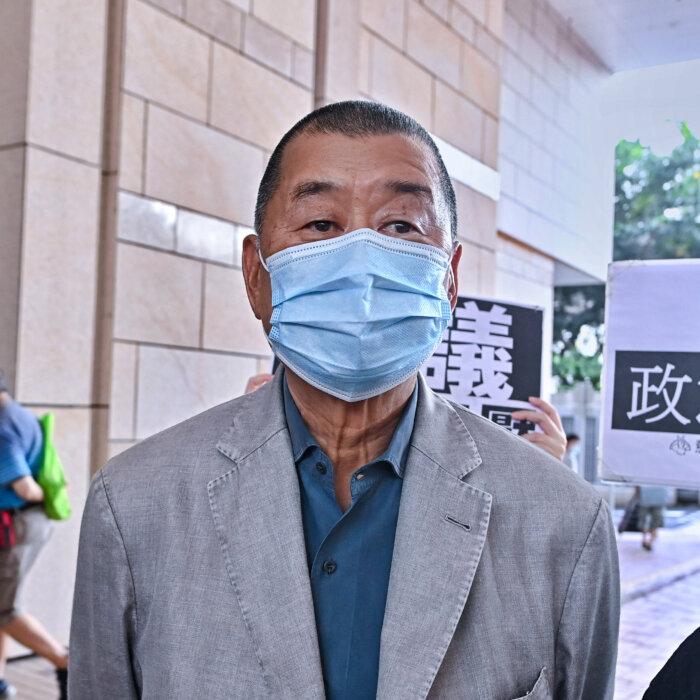
Lai was arrested in August 2020 and has remained in detention since he was formally charged in December 2020. He suffers from diabetes, and his family and legal team had reported that he was not receiving adequate medical care, and had been kept in solitary confinement for the past five years, deprived of sunlight and open air.
Reports of Lai’s deteriorating health during his trial triggered calls for his release. The trial lasted 156 days.
Hong Kong authorities said a mitigation hearing is scheduled for Jan. 12, 2026, and the sentencing could take place at a later date.
Lai’s attorney, Robert Pang, said they will decide whether to appeal after the sentencing.
U.S. Secretary of State Marco Rubio urged authorities to release Lai “as soon as possible.”
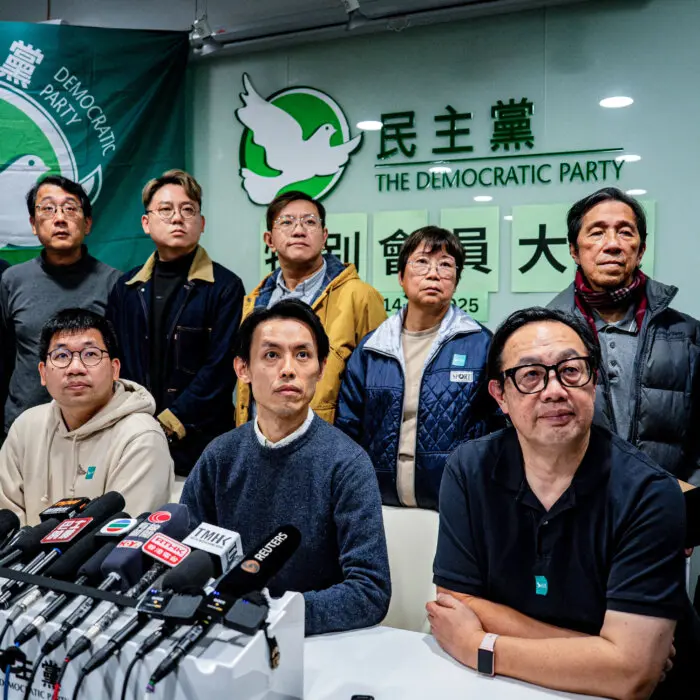
In 2021, Beijing overhauled Hong Kong’s electoral system, introducing a pro-Beijing vetting panel that effectively barred candidates who oppose the Chinese Communist Party’s positions. The Democratic Party, as well as other parties in the pro-democracy camp, had been unable to field candidates in Legislative Council elections since then.