A Taiwanese court on Aug. 11 sentenced a Chinese-born campaigner to seven years in prison, convicting her of charges including interfering in Taiwan’s elections under orders from the communist regime in Beijing.
Xu Chunying, chairwoman of a now-disbanded group representing Taiwan’s “mainland spouses”—Chinese nationals who marry into Taiwan—received the sentence at the New Taipei District Court on the morning of Aug. 11.
The court also found her guilty of unauthorized foreign currency exchanges, mortgage fraud, and fabricating business documents to help mainland Chinese citizens obtain permission to enter Taiwan.
The case is subject to appeal. Xu has pleaded guilty to bank fraud and illegal money exchange but denied other allegations, according to Taiwan’s national Central News Agency.
The case comes as the CCP ramps up military, economic, and diplomatic pressures on Taiwan, which Beijing views as its territory to be taken by force if necessary.

Election Interference Accusations
Xu, who moved to Taiwan in 1998, worked as the director of a local new immigrants organization and chairwoman of the Cross-Straits Marriage and Family Services Alliance, according to the court.
The court found that Xu, along with Chung Chin-ming, frequently traveled between mainland China and Taiwan and had political influence among the mainland spouse community in Taiwan. Chung was also sentenced to four years and two months in prison for violating Taiwan’s Anti-Infiltration Act on Aug. 11.
Ahead of the 2022 local election, Xu sent a photo of herself with Huang Shan-shan to a CCP official, saying Huang planned to run as an independent candidate in the city’s mayoral race and aimed to seek support from the mainland spouses, according to the ruling.
After receiving approval, Xu began to rally support for Huang among new immigrants and mainland spouses, together with Chung, according to the court.
Huang finished third in the November 2022 race, behind candidates from the Democratic Progressive Party and Kuomintang, Taiwan’s two dominant parties.
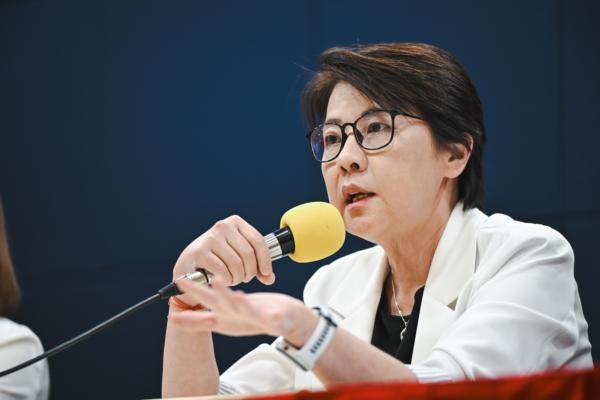
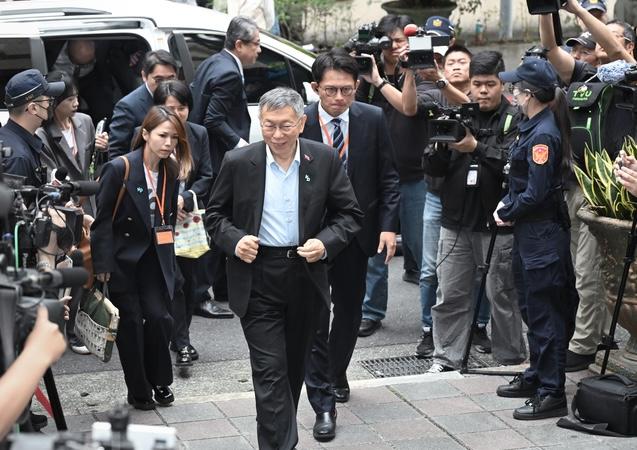
Despite the setback, Chinese officials told Xu to maintain contact with Huang, and in early 2023, Xu managed to connect with Ko Wen-je, chairperson of the Taiwan People’s Party (TPP), the court said. At that time, Ko was preparing a high-profile campaign to run for president of Taiwan in the 2024 election.
The court said that after discussing with CCP officials, Xu received confirmation that supporting Ko’s presidency bid was “consistent with the policies and position of the CCP.”
Xu then mobilized the Chinese spouses community to vote for Ko, promoted him in media interviews, and conducted other campaign activities under the CCP’s instructions, according to the court.
Response
Following the ruling, Ko’s TPP issued a statement condemning foreign interference in Taiwanese elections and any other activities that endanger national security.
A spokesperson claimed to have no knowledge of Xu’s alleged private contacts with Beijing, according to Taiwan’s Central News Agency. The spokesperson also questioned how the court reached the conclusion that Beijing instructed Xu to campaign for Ko.
Ko has denied any wrongdoing, while his lawyer asserted the verdict was politically motivated by “trumped-up charges.”