A bill that would sanction perpetrators of state-sponsored forced organ harvesting in China advanced through the Senate Foreign Relations Committee on June 17.
The Falun Gong and Victims of Forced Organ Harvesting Protection Act would direct the U.S. government to compile a list of foreign individuals deemed to have knowingly and directly engaged in or facilitated forced organ harvesting in China.
Those listed would be blocked from transactions with any U.S. persons or entities, and see their U.S. properties frozen. The sanction would also bar the individuals from gaining entry to the United States, invalidate their current visas, and disqualify them from receiving immigration benefits.
“I hope we can really increase world awareness of this terrible practice,” Merkley told reporters after the committee vote.
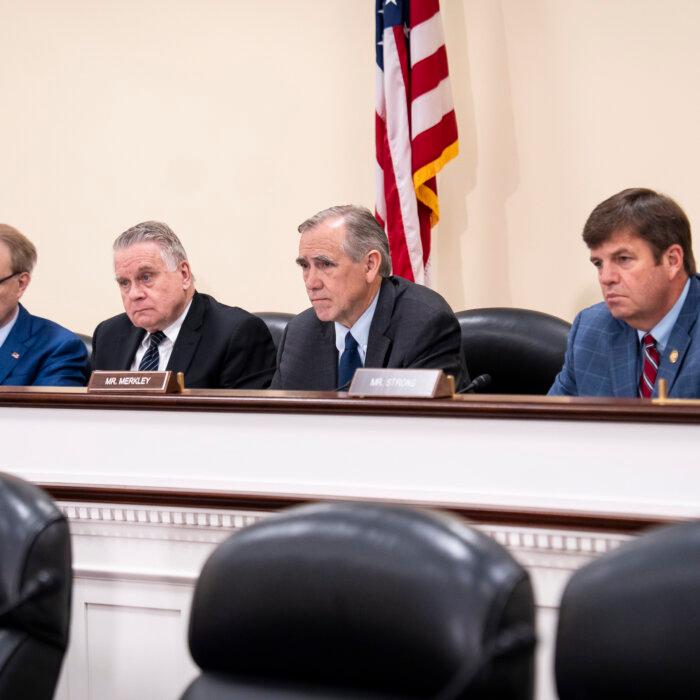
“It’s really one of the most horrific abuses on earth, just the steady supply of people being basically killed for organs,” he said.
The lawmakers on June 15 amended the legislation, adding a section detailing persistent concerns from public and private organizations, as well as the ongoing lack of transparency from the Chinese regime.
It cites the 2023 State Department international religious freedom report, which highlights fears of members of religious groups—particularly Falun Gong practitioners and ethnic Uyghurs—that they could become victims. The same report also references a New York City Bar Association report that found “ample evidence China continues to engage in forced organ harvesting of prisoners of conscience.”
The Chinese regime has failed to provide a “full, credible, and independently verifiable response” on the matter, and the U.S. authorities have yet to issue a formal assessment on the allegations, the bill notes.
It asks the U.S. government to investigate the issue, including incidents involving Falun Gong practitioners, and condemn “illegal, coercive, non-consensual, or non-transparent organ procurement and transplantation practices.”
The measure also orders the State Department to submit a report on China’s organ transplantation policies and practices, in consultation with the secretary of health and human services, the director of the National Institutes of Health, and relevant leaders of the intelligence community.
The report would make a formal determination on whether Beijing engages or formerly engaged in systematic forced organ harvesting and provide a summary of the organ transplantation policies, including regarding Falun Gong practitioners and other prisoners of conscience or victims of the abuse.
Other details include the known or estimated number of organ transplants by year; data on voluntary donation; assessments of organ sourcing, procurement times, and whether the timetable seems realistic; and a list of U.S. grants over the previous decade supporting organ transplant research in China.
If U.S. officials determine that forced organ harvesting has taken place in China, they would also make a determination on whether the conduct within China constitutes an atrocity, the June version of the bill states.
The bill was one of 24 that passed out of the Senate Foreign Relations Committee on Wednesday. Sens. Jim Risch (R-Idaho) and Jeanne Shaheen (D-N.H.), the committee chair and ranking member, respectively, said they were “very glad to see these bipartisan bills move forward and one step closer to better protecting American interests worldwide.”
They noted that some of the legislation “protects religious freedom across the globe and champions the human rights of those who are oppressed in authoritarian China.”