NATO Secretary General Mark Rutte has warned that the alliance must address threats from Beijing, hours after China test-fired a long-range missile over the Pacific.
“These theatres are getting more and more intertwined, connected,” Rutte said at the press conference, a day before the NATO leaders’ gathering in Ankara, Turkey’s capital. “What happens in the Indo-Pacific is relevant to what is happening in the transatlantic.”
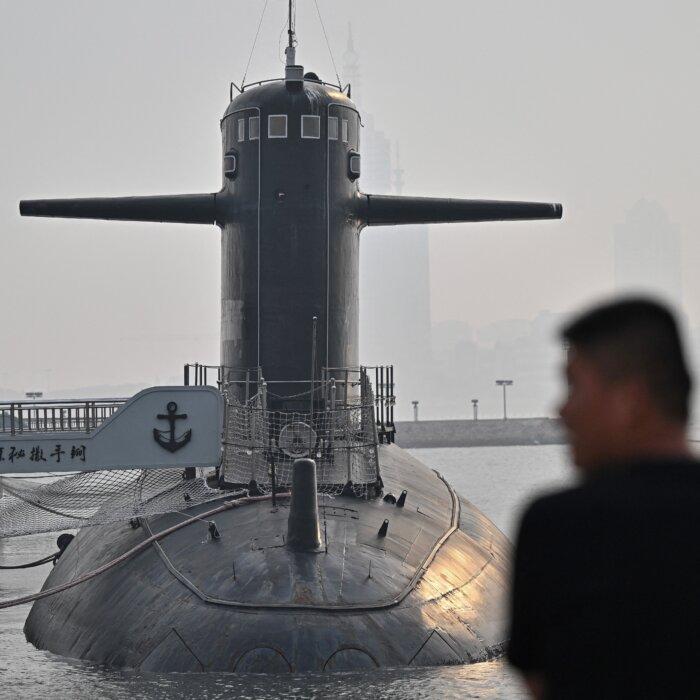
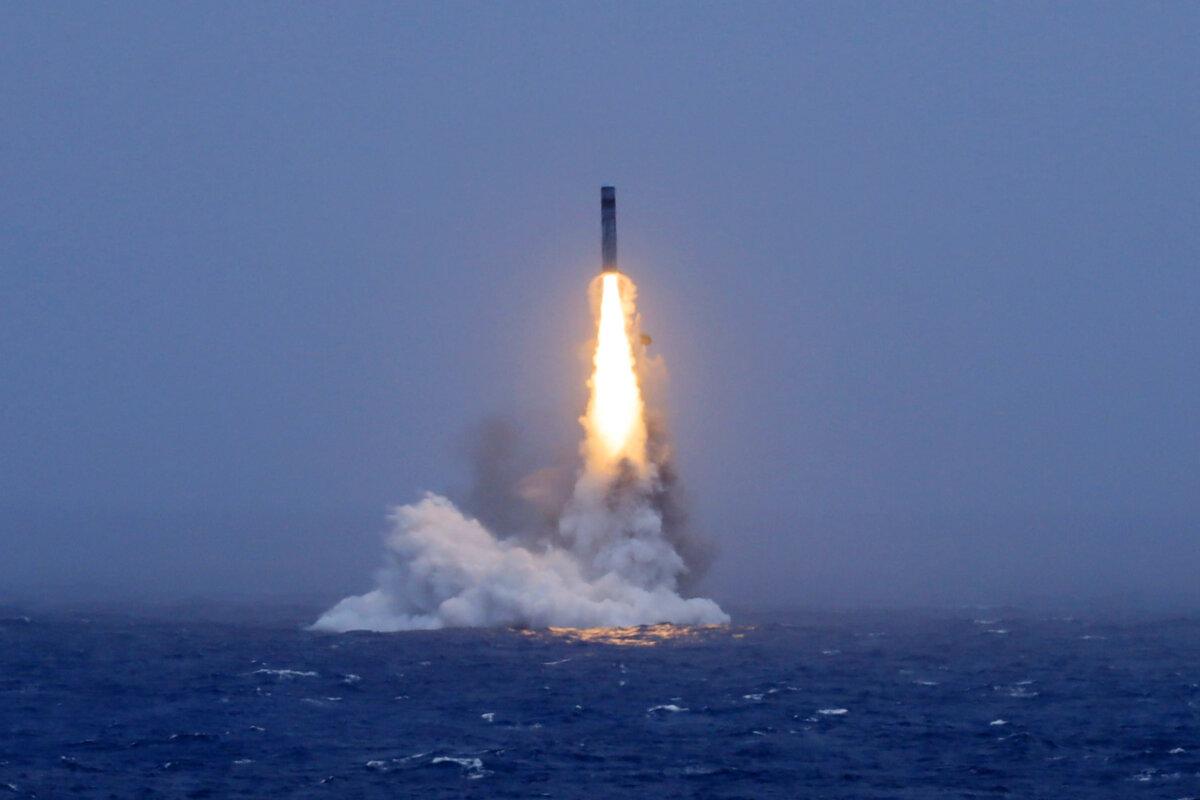
China announced that a missile carrying a dummy warhead was launched successfully at 12:01 p.m. local time on July 6. It fell into the “designated areas” in the Pacific Ocean, a navy spokesperson said, without specifying its landing location or flight path.
The missile launch happened on the same day the Chinese navy kicked off a joint exercise with Russian forces near Qingdao, a city on China’s eastern coast.
The NATO chief cautioned that the alliance cannot view the security threats in isolation, pointing to Beijing’s support for Moscow’s ongoing war efforts.
“We see it also in the war with Ukraine, where China, North Korea, and Iran are key enablers of Russia’s unprovoked war of aggression against Ukraine,” Rutte said. “So this, again, is evidence that we cannot be naive, and I can assure you that we are on it.”
Global Concerns
Rutte’s comments came amid renewed concerns over the Chinese regime’s growing nuclear arsenal and military expansion following the latest test.
In a July 6 statement, the State Department said the United States monitored Beijing’s test launch of an unarmed intercontinental-range ballistic missile that landed in the southern Pacific Ocean.
Chinese state media outlet Global Times cited a military expert who suggested the missile was the newer JL-3, unveiled at last year’s grand parade in Beijing. According to the Pentagon’s latest annual report, China’s JL-3 has a range of approximately 6,200 miles, capable of reaching Washington and much of the continental United States.
The U.S. State Department called Beijing’s “rapid and opaque” nuclear weapons buildup a great concern to the region and the world.
“At a time when the United States is working harder than ever to prevent nuclear proliferation, China is doing the opposite,” Thomas Pigott, a State Department spokesperson, said in a statement.
He urged China to engage in “meaningful arms control discussions” and commit to a “regularized notification arrangement for all intercontinental-range ballistic missile and space launches.”
Japanese Defense Minister Shinjiro Koizumi pledged to maintain vigilance and closely monitor related developments.
China continues to increase its military spending “at a high level” and rapidly expand its nuclear and missile capability, including intercontinental ballistic missiles, with little transparency, Koizumi said on X on July 6.
This lack of transparency, combined with China’s expanding and intensifying military activities around Japan, has fueled serious concerns in Japan and the international community, Koizumi added.
Asked about the international criticism at a regular briefing in Beijing on July 7, foreign ministry spokesperson Mao Ning said the decision was part of a “routine arrangement” in China’s annual military training.
Taiwan’s Presidential Office has criticized the Chinese regime’s efforts to “intimidate the international community” through the missile launch, its semi-official Central News Agency reported on July 6.
The Philippine government urged Beijing to “act responsibly.”
“This launch serves no peaceful purpose and is a calculated act of taunting and provocation against those who reject China’s illegal expansionism and coercive conduct,” the Philippines’ defense ministry said in a statement on X on July 7, calling Beijing’s missile test a “reckless display of military power.”