WASHINGTON—With the Chinese Communist Party among the worst abusers of human rights on earth, Rep. Young Kim (R-Calif.) said her biggest worry is that the world is not even paying attention.
That’s why on Human Rights Day, Dec. 10, she helped put together a human rights forum on Capitol Hill, bringing a coalition of groups who sometimes feel “there are not enough people on the Hill listening.”
“We need to keep on raising our voices,” she told The Epoch Times. “We need to be united.”
Human rights and freedom are “non-negotiable,” she said.
“It needs to be talked about around the clock, all the time,” she said.
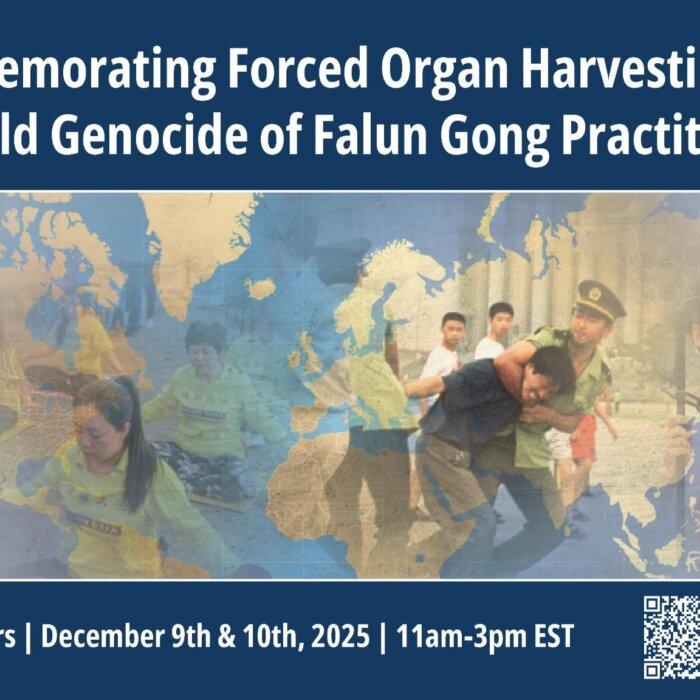
The meditation practice, based on the principles of truthfulness, compassion, and tolerance, has faced a relentless eradication effort by Beijing authorities since 1999. Under the campaign, millions have suffered arrests, forced labor, and even forced organ harvesting. Liu, now in her 70s, was arrested 11 times and spent more than eight years total in detention facilities before her latest arrest in 2022, after which she was handed a four-year sentence.
The authorities, until recent months, allowed relatives little access to Liu. Even now, they can hold a call with her only once a month—their chance, Wang said, to comfort and encourage her to remain strong.
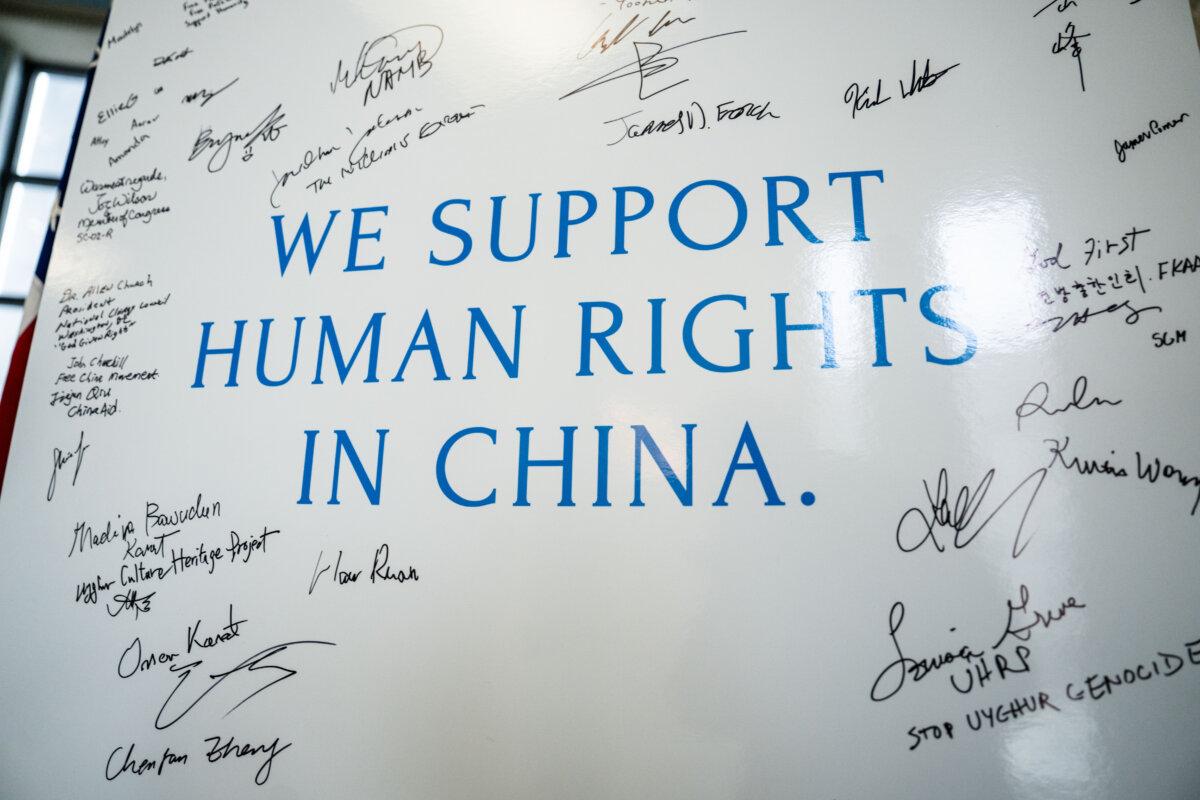
Signers of the board that day include House Oversight Committee chair Rep. James Comer (R-Ky.) and Rep. Joe Wilson (R-S.C.).
Speaking Up for the Voiceless
At the event, many shared stories of long Chinese prison sentences imposed on people for their political or spiritual beliefs.“China cannot shut that down and cannot stop a democracy like the U.S. from having laws that say, ‘No, we refuse to have our markets open to these forced labor goods,’“ Greve said. ”That’s already a victory, considering that civil society voices are volunteers, almost no money, small staff, and no diplomatic power.”
Patterns of Abuse
Silence is a signal for Beijing to double down, and any campaign that starts in one region won’t stop there, Hui and other activists at the event told The Epoch Times.John Neville of the International Campaign for Tibet mentioned Chinese official Chen Quanguo as an example.
This suggests that over the years, Chen developed similar persecution techniques for each set of victims, Neville told The Epoch Times. At the event, he said he was struck by the patterns that repeated from one group to the next.
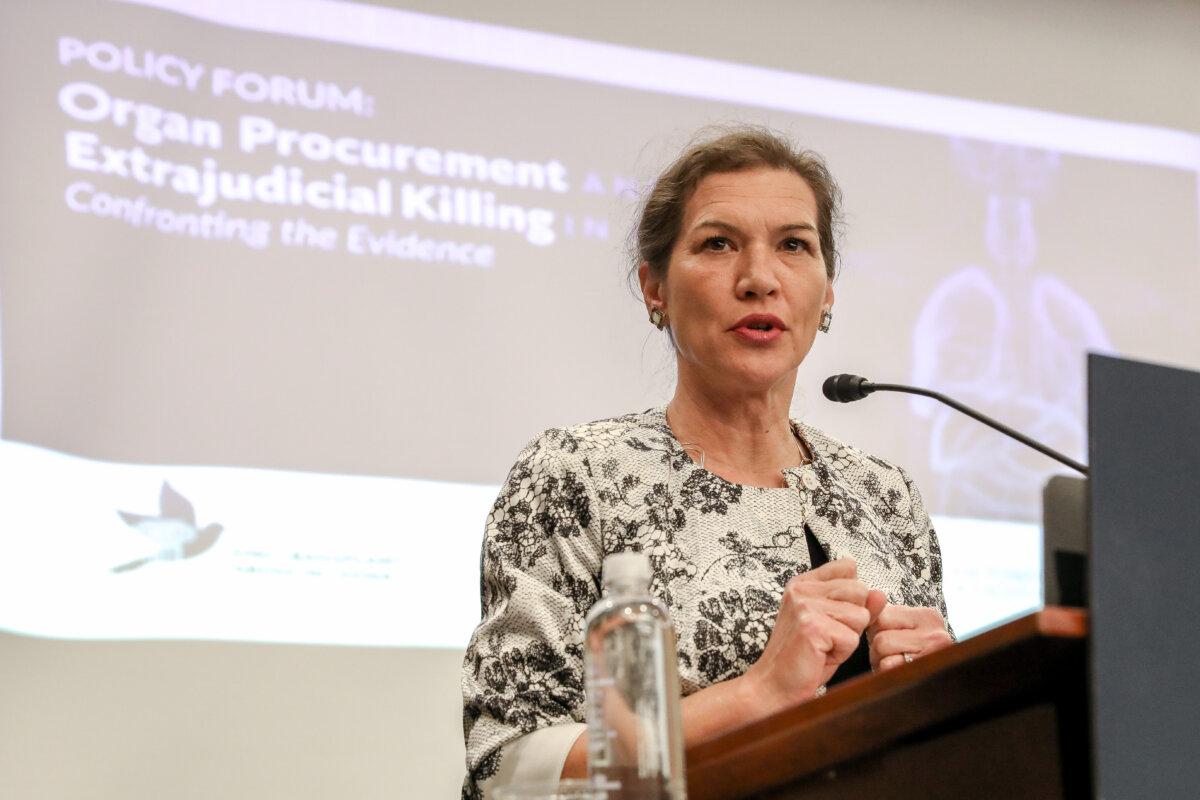
Human rights abuses in China affect more than the persecuted communities, according to Jessica Russo, clinical psychologist and mental health adviser for Doctors Against Forced Organ Harvesting.
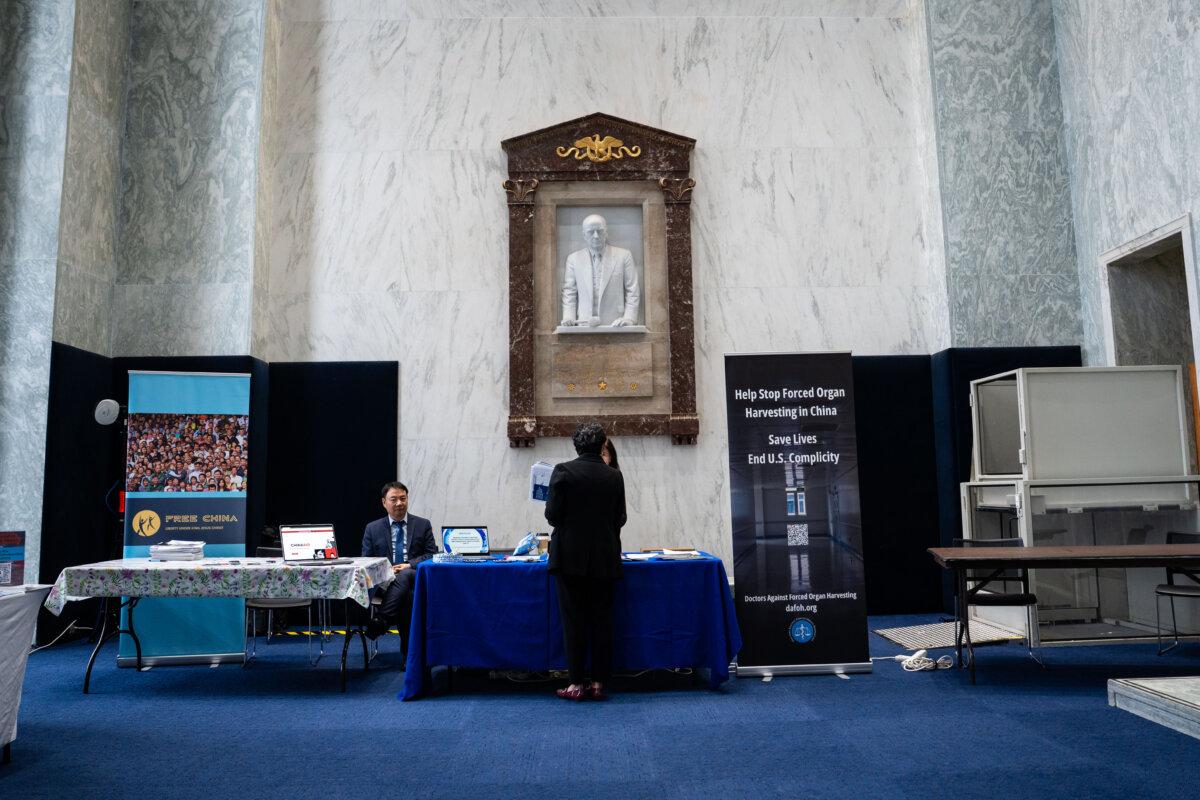
But even people living outside of China are at risk of complicity, Russo said.
“We are all involved in some way or another,” she told The Epoch Times. “We have pharmaceutical companies in the U.S. who are doing clinical trials in China, and transplant and medical supply companies that are supplying materials for China’s transplant, and then we have patients who are lured by the short wait times. So we are heavily involved in so many levels in this crime.”
The same holds true for other types of abuses, Wang said.
“If no one steps up, it’s the same as acquiescence,” he told The Epoch Times.
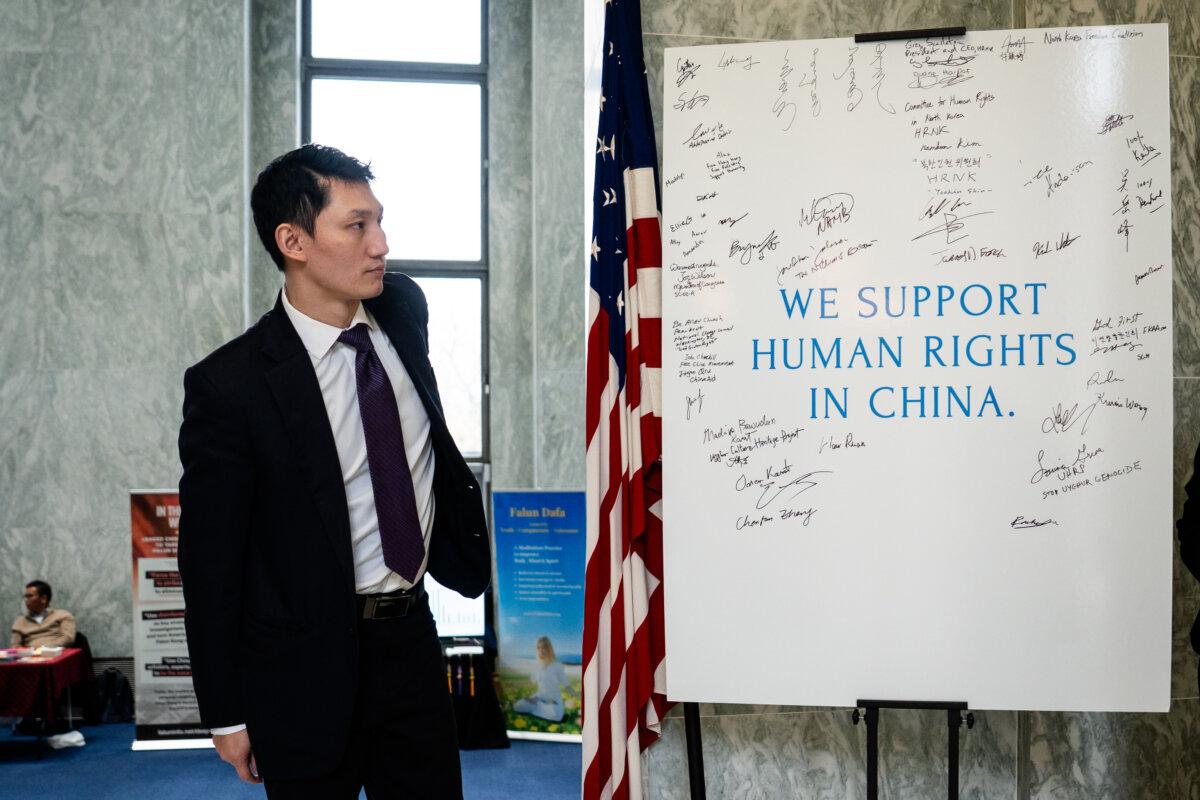
And that could set the international community on a dangerous course: With no country holding it back, the regime will expand its persecution, expanding it to other parts of the world, he said.
Cynthia Sun, senior researcher at the Falun Dafa Information Center, which helped organize the event, echoed that warning.
“First, it was religious believers and ethnic minorities, then it was supporters,“ she told The Epoch Times. ”Now the CCP’s threat of silencing and intimidation is crossing the line to target anyone, including government leaders and influencers.”
Kim, the California congresswoman, said she hopes the human rights event is the first of many positive steps to come.
“Just one venue, one event, bringing all of the different organizations and individuals that are fighting for people’s freedom ... it’s just not enough,” she said.
Human rights, she said, should be a lever for the United States in any conversation with China, “especially in the trade areas.”
“We need to turn all of these stories into action, and we can always do more.”