NASA has barred Chinese nationals holding U.S. visas from its facilities and networks, the latest move by Washington to safeguard the space agency as its space race with Beijing intensifies.
Chinese nationals, who until now could work at NASA as contractors or contribute to its research, were informed on Sept. 5 that their access to the agency’s systems and facilities had been revoked. Bloomberg first reported that many suddenly found themselves locked out of NASA data systems and excluded from both in-person and virtual meetings related to their work.
NASA press secretary Bethany Stevens confirmed the decision, stating that the agency had taken “internal action pertaining to Chinese nationals—including restricting physical and cybersecurity access to our facilities, materials, and network to ensure the security of our work.”
It remains unclear if a specific incident triggered NASA’s action. In response to a request for comment, the agency’s media office referred The Epoch Times to a post on X featuring acting administrator Sean Duffy’s appearance on Fox Business.
In that interview, Duffy said the United States must lead what he described as a “second space race,” warning that the Chinese regime is not advancing its lunar agenda “with good intentions.”
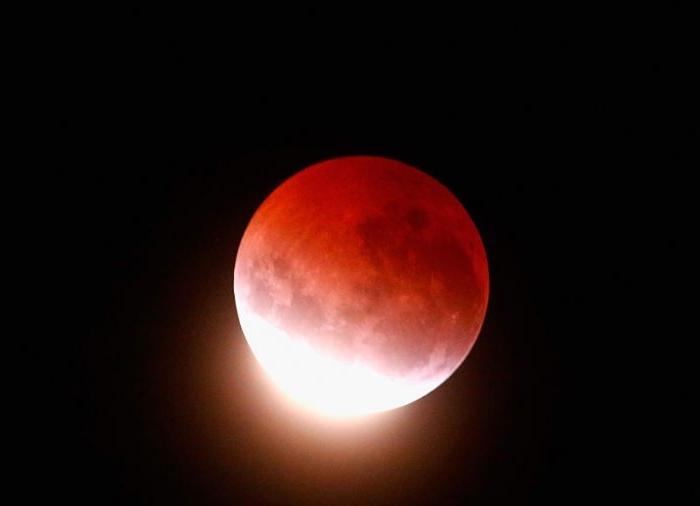
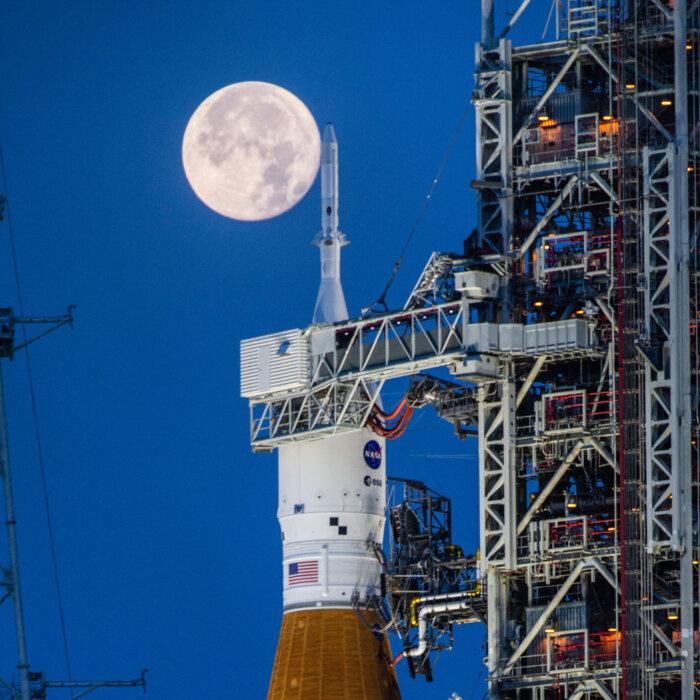
Since the Apollo 11 mission in 1969, the United States has remained the only country to land humans on the Moon. China, meanwhile, launched its first crewed spaceflight only in 2003 but has rapidly accelerated its space program, aiming to put “taikonauts”—China’s terms for its astronauts—on the lunar surface by the end of the decade.
In August, China completed a full-size static fire test of its Long March-10 moon rocket, hitting a new milestone in its manned lunar program. A variant of the rocket, the partially reusable Long March-10A, is expected to debut in 2026 and support supply runs to the Tiangong space station, which is set to be the only space station in orbit once the International Space Station retires in 2030.
The delays stem in part from technical issues uncovered during the uncrewed Artemis I mission in late 2022, when the Orion spacecraft’s heat shield suffered greater-than-expected charring during reentry, causing pieces to burn away.
Despite the setbacks, Duffy maintained that NASA is positioned to keep the lead in the lunar race with China.