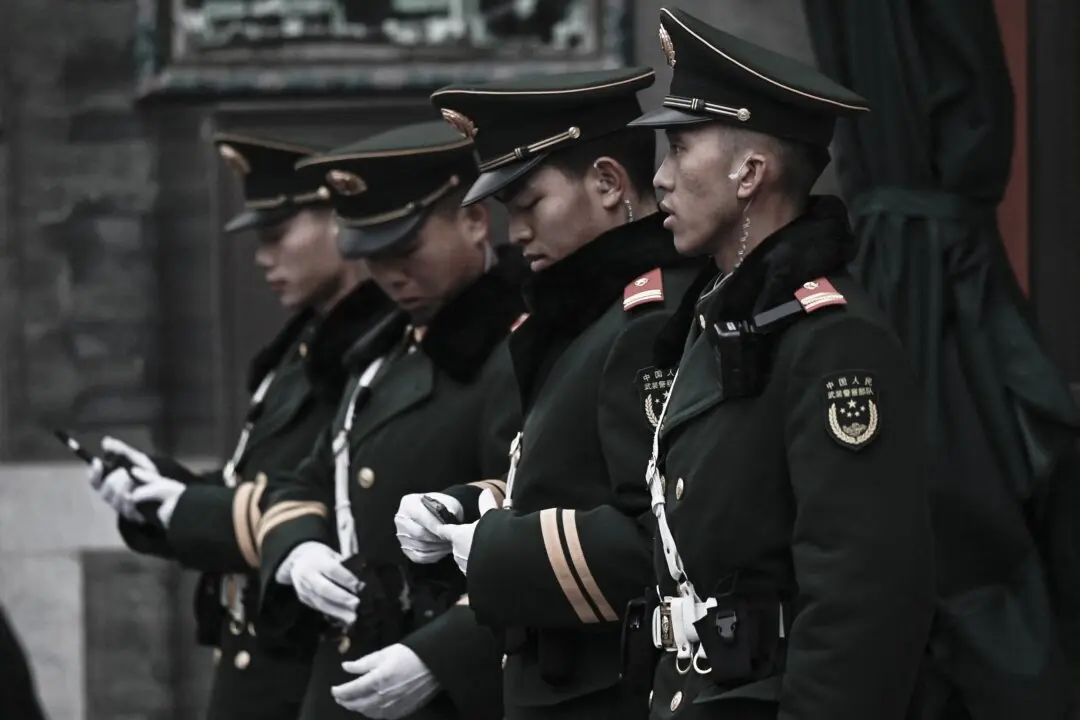
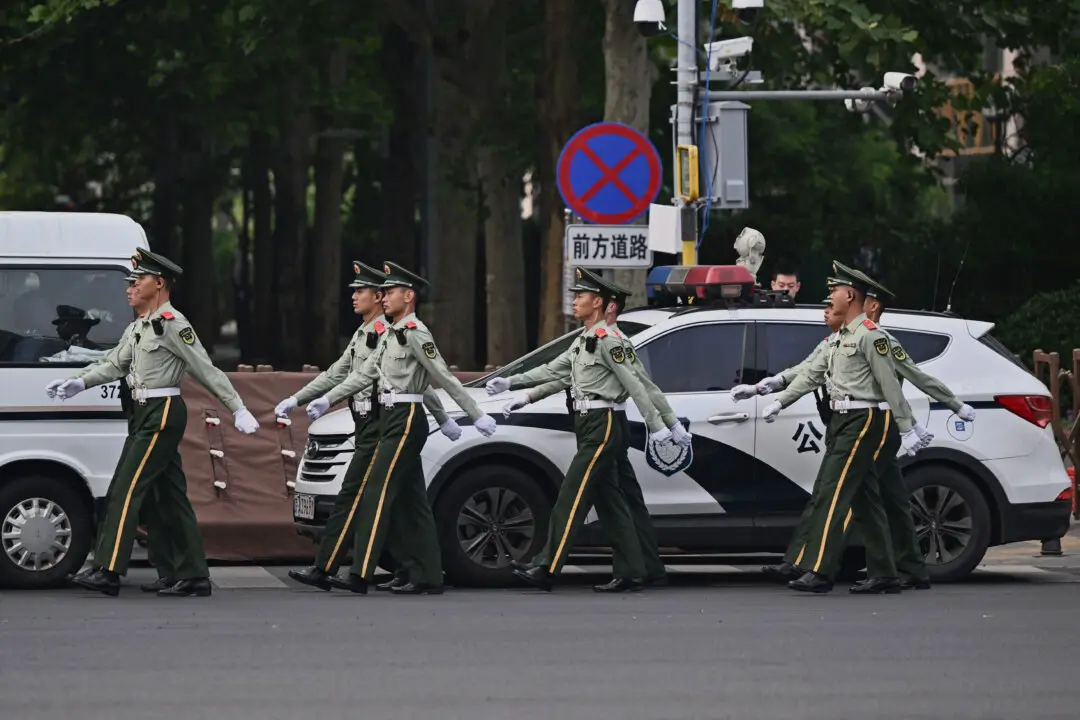
China is pushing electric vehicles, lithium batteries, solar panels, and AI technologies into international markets while simultaneously accelerating the development of aircraft carriers, submarine-launched missiles, drones, and long-range naval forces.
The dual expansion, according to insiders familiar with China’s economic and political system, reflects Beijing’s effort to build a global network integrating trade, technology, infrastructure, and military capabilities—one designed not merely for commercial growth but also for geopolitical competition.
Insiders and scholars spoke to The Epoch Times on condition of anonymity out of fear of reprisal.
The Chinese Communist Party (CCP) no longer views China’s global economic footprint simply as a way to expand exports, an insider familiar with the CCP’s economic policymaking told the publication.
“Now they want to tie together Chinese manufacturing, Chinese technology, Chinese capital, and military power,” he said.

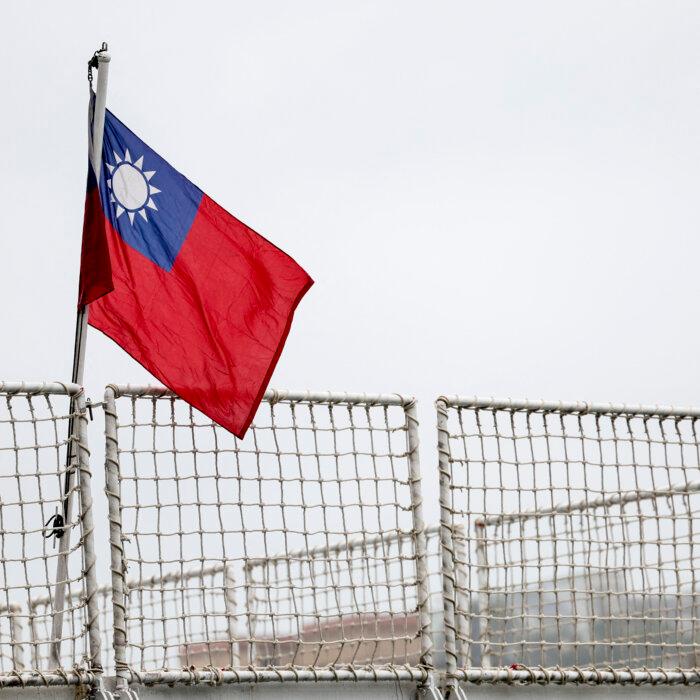
“The goal is to create a system that cannot be easily cut off,” he said. “In addition to food security, energy dependence on Russia and Iran, and preparations to overcome maritime blockades and export bans, they want to ensure that China can continue operating during a war, sanctions, or blockade.”
Export Growth Does Not Mean Market Opening
China’s expanding global trade presence has accelerated in recent years.
According to data from China’s General Administration of Customs via state media Xinhua News Agency, the country’s exports totaled 11.91 trillion yuan ($1.75 trillion) in the first five months of this year, up 11.8 percent from a year earlier. Imports rose 20.5 percent to 8.77 trillion yuan ($1.29 trillion), leaving a trade surplus of about 3.14 trillion yuan ($460 billion).
However, a Chinese scholar with knowledge of the CCP’s internal operations, surname He, told The Epoch Times that Beijing’s push for greater foreign engagement does not represent a genuine opening of the Chinese economy.
Chinese officials have repeatedly promoted “institutional opening-up” and announced the removal of foreign investment restrictions in manufacturing, He said. But he argued that Beijing remains selective in accepting foreign capital.
“China is absorbing foreign investment that is useful for upgrading its own industries,” he said. “One method is using access to the Chinese market in exchange for advanced technology and management expertise.”
He said China’s overseas expansion should be viewed as part of a broader strategy combining economic influence and military power.
“China has always wanted to lead developing countries, but that is not the ultimate goal,” he said. “The target now is global trade. Industrial exports, leasing foreign ports, building ships and aircraft carriers, and developing overseas military capabilities should all be viewed together.”
Global Industrial Expansion as a State Strategy
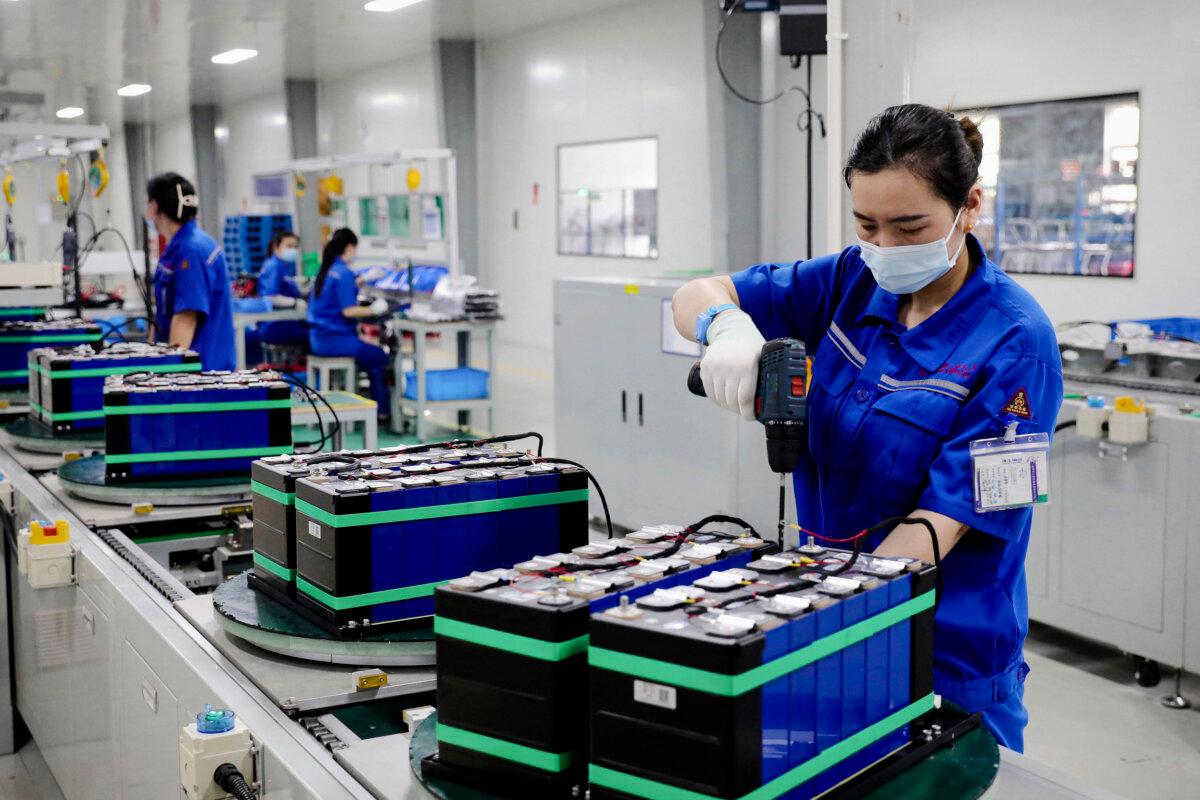
Since 2022, China’s overseas industrial push has increasingly shifted away from traditional low-cost manufacturing toward higher-value sectors.
Chinese companies have also expanded manufacturing facilities, data centers, and supply-chain networks across Southeast Asia, the Middle East, and Latin America. China has also increased investment in emerging technologies.
Official figures from China’s National Bureau of Statistics show the regime’s research and development spending intensity reached 2.69 percent in 2024. State media People’s Daily reported that the number of Chinese users of generative AI reached 515 million by June 2025, an increase of 266 million within six months.
A Germany-based Chinese scholar, surnamed Li, told The Epoch Times that Beijing’s “going global” industrial strategy is closely connected to state objectives.
“Many Chinese companies expanding overseas are part of a national strategy,” Li said. “They move together with supply chains, equipment, management systems, and financial settlement networks.”
He argued that the distinction between private and state-owned companies in China is often blurred.
“European governments sometimes believe these are truly private companies,” Li said. “But they do not fully understand how the CCP operates.”

Military Expansion Accompanies Economic Push
Alongside its economic expansion, China has continued to strengthen its global military capabilities.
An insider from the Chinese military told The Epoch Times that the regime’s People’s Liberation Army (PLA) has increased long-range naval exercises, missile tests, and fleet deployments in recent years.
The operations, the insider said, are intended partly to test reactions from countries including Japan, Australia, and the United States while improving China’s ability to conduct operations beyond the first island chain—a strategic area stretching from Japan through Taiwan and the Philippines.
“The CCP’s deployment of naval forces overseas is clearly aimed at testing air-sea coordination, missile coverage, and logistical support,” the insider said.
“One of the PLA’s biggest weaknesses is logistics,” the insider said. “The border confrontation revealed problems with supply and support capabilities.”
Despite Beijing’s efforts to integrate economic and military power, one Chinese scholar said domestic economic challenges may constrain the strategy.
The scholar, based in Fujian Province, told The Epoch Times that China faces significant internal pressures, including weak consumer demand, unresolved property-sector debt, and strained local government finances.
He argued that Beijing is attempting to use global expansion to absorb excess industrial capacity and support domestic manufacturing. However, he warned that the approach could deepen tensions with Western economies.
“Building a global economic and military system is the CCP’s strategic response to economic slowdown, technological restrictions, and geopolitical pressure,” the scholar said. “But it overlooks China’s own economic vulnerabilities. The goal of expanding influence through the Global South cannot be achieved simply by extending its reach overseas.”