China is entering a rapidly accelerating phase of population aging, with new research warning that the country is becoming “old before it gets rich,” placing mounting pressure on its pension system, elder care infrastructure, and rural-urban equality.
A white paper released on June 15 by a research team at China’s top Tsinghua University shows that by the end of 2025, China had 323.38 million people aged 60 and above—about 23 percent of the total population, according to Chinese media Beijing News. Those aged 65 and older will reach 223.65 million, or 15.9 percent.
Demographic Shift
The white paper highlights the speed of China’s demographic shift, and it notes that China took just over 20 years for the share of people aged 65 and above to rise from 7 percent to 14 percent. By comparison, the United States took 71 years and France 115 years to reach the same milestone.However, the report also underscores a key structural imbalance. China reached a moderate level of aging at a per capita GDP of about $12,887; Japan reached that stage at roughly $39,934; and the United States did so at around $54,973—showing that China is aging at a significantly lower level of wealth development.
The data has intensified debate on whether China’s pension and care systems are equipped to handle the demographic shift.
Several China-based experts, and one based in Canada, spoke to The Epoch Times about the figures on condition of anonymity or only publishing their surnames out of fear of reprisal.

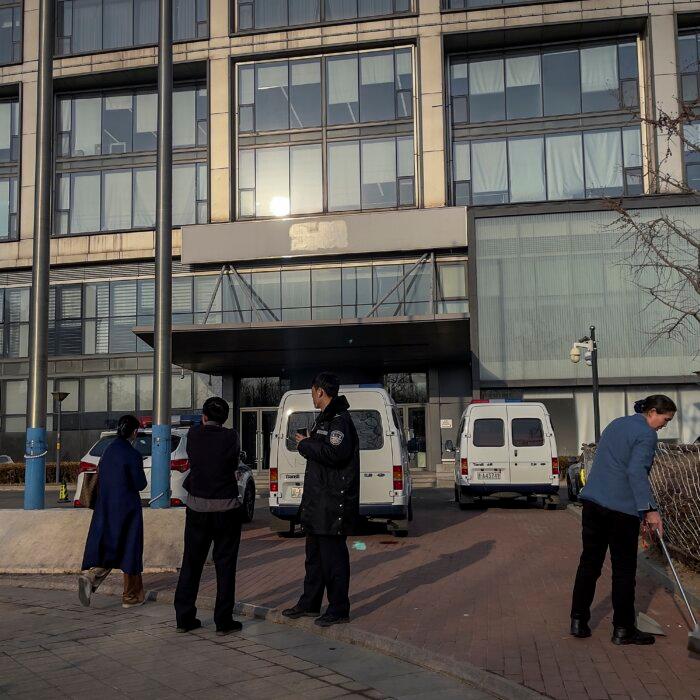
A Chinese sociologist, surnamed Ke, told the publication that the figures reflect a long-standing structural imbalance in public spending priorities.
“The Chinese Communist Party (CCP) has historically directed large fiscal resources toward stability maintenance, infrastructure, and administrative systems,” he said. “Investment in pensions, elder care, and grassroots services has been insufficient.”
Ke added that the expansion of the elderly population, combined with shrinking household sizes, is placing increasing strain on the pension system.
“I don’t know how they will deal with the rising number of retirees each year,” he said.
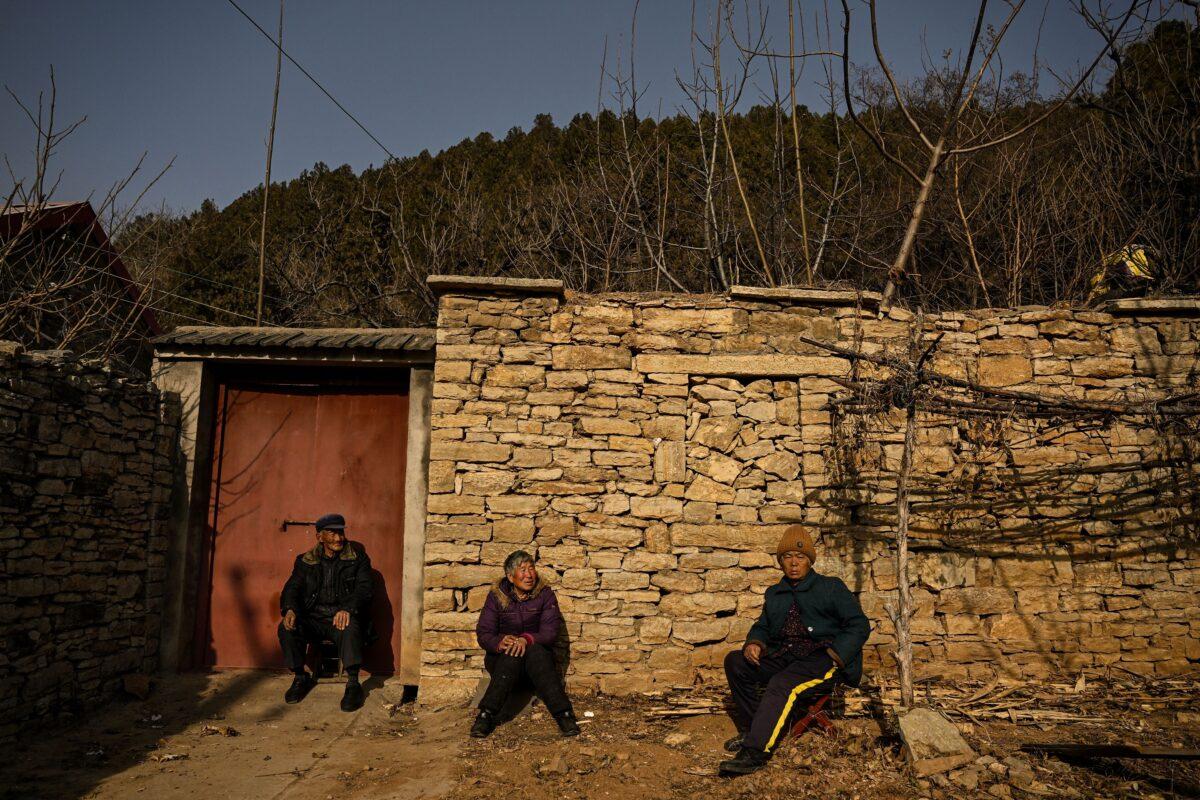
The white paper also outlines the scale of China’s elder care challenge. In 2021, it is estimated that there were about 35 million disabled or partially disabled elderly people, 15 million people with cognitive impairment, and more than 42 million people classified as very elderly.
Despite this, nationwide occupancy rates at elder care institutions in 2024 were below 50 percent.
Availability of Care
A Chinese woman living in Canada, surnamed Zhang, who previously managed nursing homes in Sichuan Province, told The Epoch Times that China’s elder care sector expanded rapidly between 2010 and 2018, but later came under increasing regime intervention.“When local governments saw profit opportunities, they began intervening and acquiring private nursing homes through various means,” she said. “In the end, I had to shut down my facility and emigrate to Canada. Many private nursing homes that developed after 2010 have since closed. Government-run facilities mainly serve state-sector retirees, not ordinary citizens.”
An elder care industry worker in China, surnamed Li, told The Epoch Times that high costs and payment structures also contribute to low occupancy rates.
“Some facilities require upfront payments for five years, which many families simply cannot afford,” she said. “Caring for disabled or elderly people who have lost capacity is beyond what most households can sustain long-term.”
The white paper highlights significant inequality in China’s pension system.
Urban employee pension recipients receive an average of about 3,825 yuan ($565) per month, while rural residents under the basic rural pension scheme receive about 246 yuan ($36).
While rural areas tend to have higher concentrations of elderly residents, elder care services, rehabilitation support, and home-based assistance remain heavily concentrated in cities.
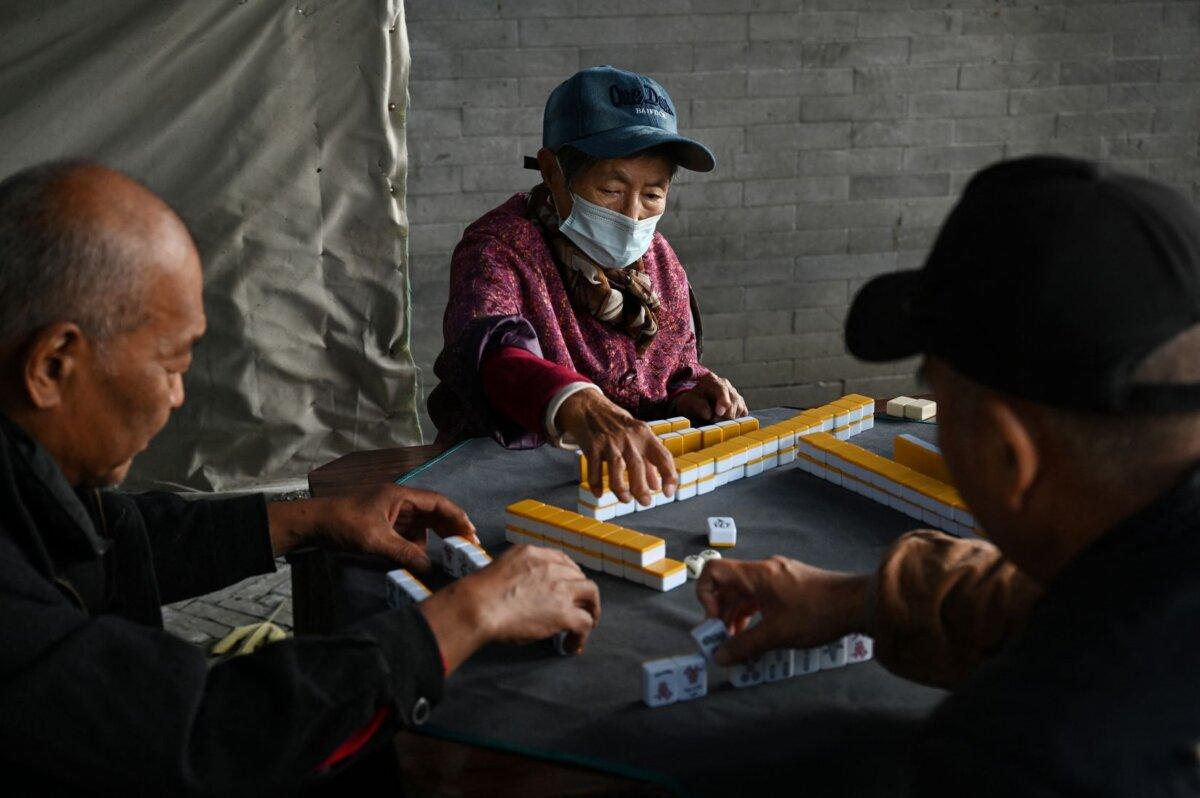
A researcher on China affairs, surnamed Zhao, told The Epoch Times that the disparity reflects systemic policy design rather than simple income inequality.
The report also points to a growing trend where public services are shifting online.
In 2021, only 36.6 percent of elderly people in China were able to use smartphones, and just 12.5 percent regularly used the internet.
As services such as medical appointments, government subsidy applications, and community notifications move online, many older, rural, and low-income residents risk being excluded.
Zhao said that while the regime has promoted the concept of “smart elder care,” many seniors face basic care shortages rather than improved services.
“Turning elder care into a market opportunity can obscure the real issue,” he said. “Most elderly people need affordable care, stable pensions, accessible healthcare, and human support. If digital systems fail to reach the most vulnerable, they create new inequality.”
He added that China’s traditional reliance on the younger generation to care for the elderly within the family is becoming increasingly unsustainable as the population ages and household sizes shrink.