Chinese authorities have detained two Japanese citizens on suspicion of exporting banned goods, both sides confirmed on June 24, adding to tensions between the two Asian countries.
Speaking at a regular briefing in Tokyo, Japanese Chief Cabinet Secretary Minoru Kihara told reporters that one individual was detained on May 18 for allegedly violating a Chinese law related to smuggling items prohibited from import or export.
Another Japanese national was held on May 26 on the same charges, he said.
Chinese authorities have notified Japan’s consulate general in Shenyang and Dalian, two large cities in Liaoning Province, China, according to Kihara.
He made the comments when asked about local media reports that a Japanese employee at an electronics manufacturer had been detained by the Chinese authorities since May. The employee allegedly attempted to take rare-earth-related products, which are subject to Beijing’s export control, the Asahi Shimbun newspaper and Kyodo News agency reported earlier on June 24, citing anonymous sources.
The Japanese government’s top spokesperson declined to disclose the identities of these individuals or further details, citing privacy protections and an ongoing investigation.

Regarding their health, Kihara said he was told that they are not experiencing any issues.
“The government will continue to take appropriate steps to protect Japanese nationals while maintaining contact with the detained individual and other relevant parties,” he said.
Beijing’s Rare Earth Export Ban
Beijing’s action came four months after its commerce ministry imposed a ban on shipping items with both civilian and military uses to Japan if they could advance Tokyo’s military capability. Since then, shipments of certain types of rare earths and critical minerals have almost ground to a halt.The ministry defended its bans as lawful last month, stating that civilian applications that meet the standard would be reviewed.
The latest customs data, released on June 20, shows that China’s exports of the heavy rare earths dysprosium and terbium remained at zero in May.
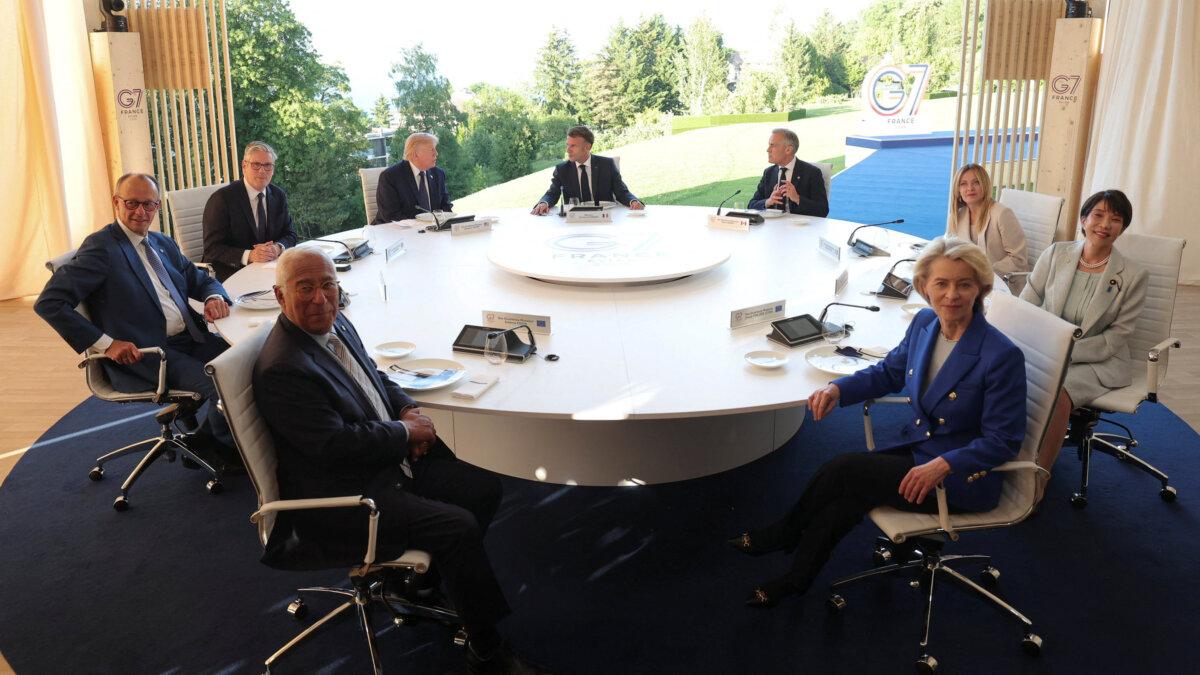
The joint statement, issued on June 17 after two days of meetings, did not mention China but set a target of reducing reliance on “a single supplier” outside the G7 and partner countries for rare earths to no more than 60 percent by 2030, with a goal of achieving 50 percent “as soon as possible.”
Tensions between the two neighbors remain high. The Chinese Communist Party has maintained economic and diplomatic pressure on Tokyo, seeking to compel Takaichi to retract her recent comments on Taiwan—a demand Japan rejected.