The Chinese regime’s first exercise alongside a foreign navy off Taiwan’s east coast sets a precedent for operations that could paralyze Taipei’s wartime resupply missions and normalize Beijing’s military footprint in the Indo-Pacific, experts warn.
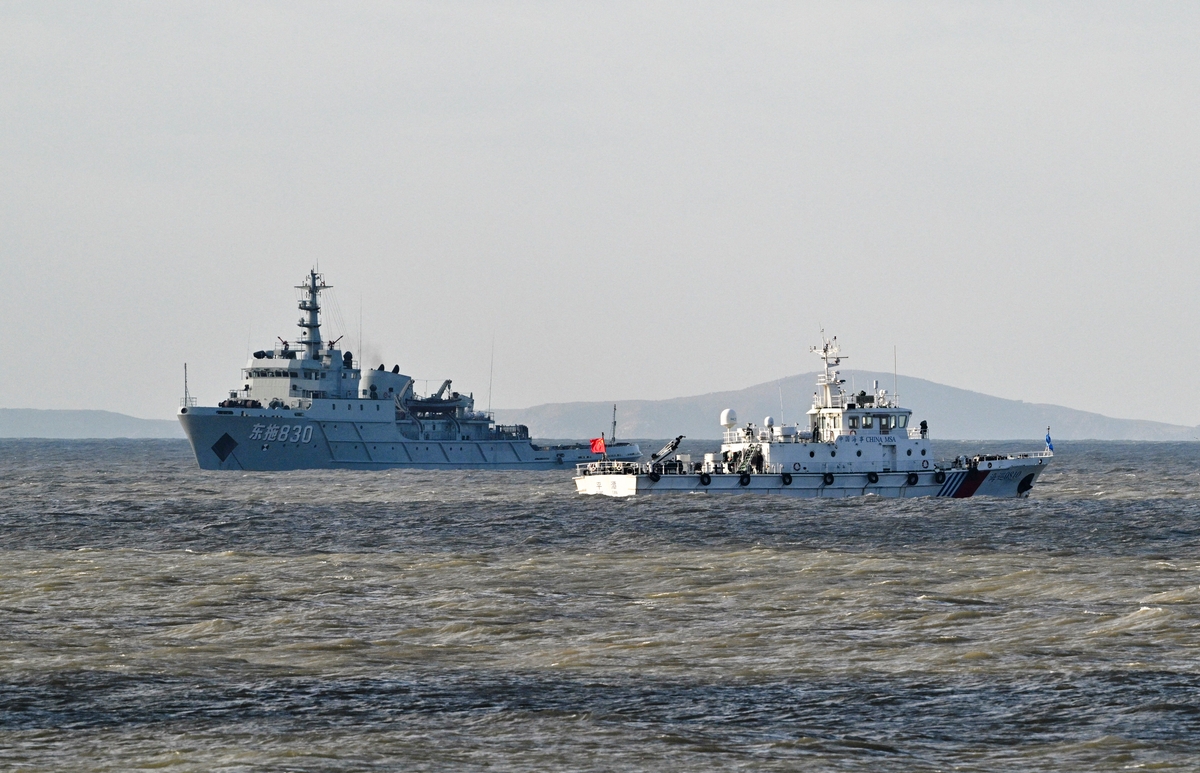
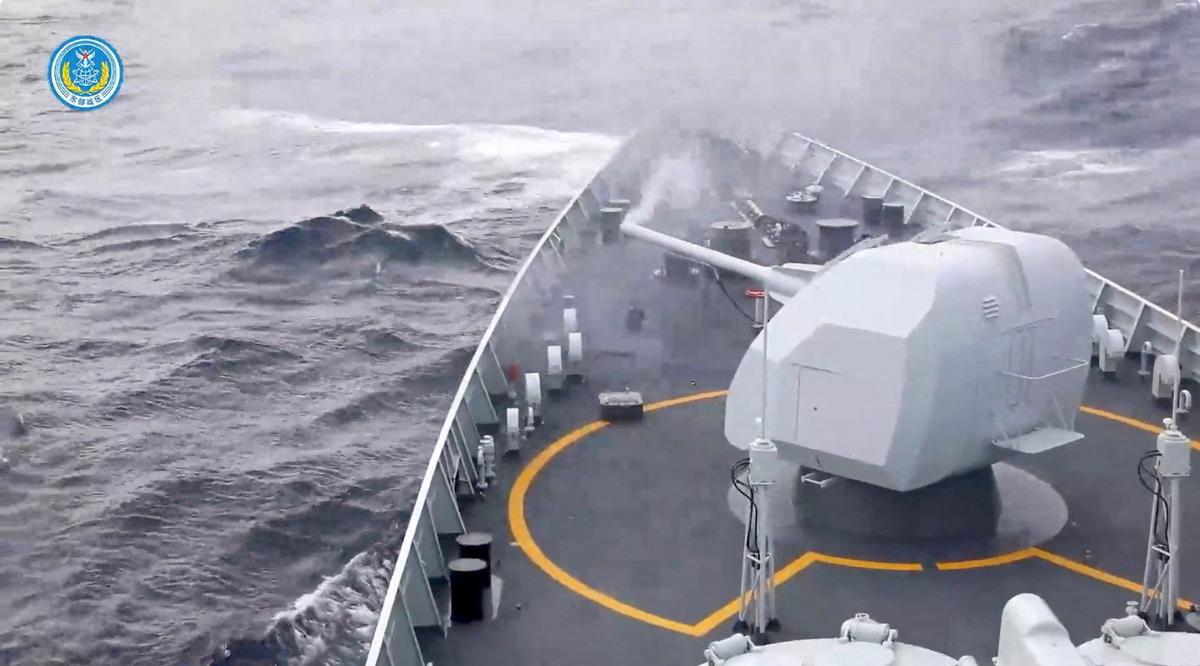
Chinese navy vessel Honghe and Indonesian Navy frigate KRI I Gusti Ngurah Rai completed a naval navigation exercise in waters east of Taiwan on Aug. 12, China’s defense ministry said.
Richard Yu-ping Chou, a committee member at Taiwan’s National Defense Industrial Development Foundation, said the Chinese Communist Party (CCP) is using the drills to signal that Taiwan’s eastern flank is no longer a safe zone, and that the island’s Pacific-facing coastline and adjacent waters are an open space for the Chinese navy to operate and build strategic networks.
“Beijing wants Indo-Pacific nations to gradually accept its naval presence east of Taiwan as the ‘new normal’ in the Western Pacific,” Chou told The Epoch Times.
“Pairing its warships with third-party vessels allows the CCP to quietly lower its adversaries’ guard.”
The two warships conducted drills on maritime communications, formation maneuvers, and underway replenishment.
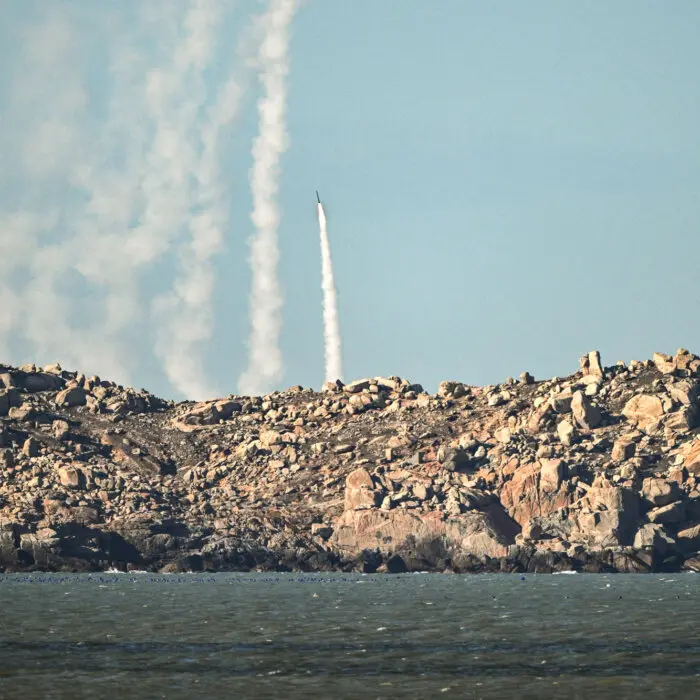
Both sides followed “a pre-arranged exercise plan” and demonstrated their willingness to “jointly contribute to regional peace and stability,” China’s defense ministry claimed.
However, Taiwan’s Ministry of Foreign Affairs (MOFA) strongly condemned the move on Aug. 12 and dismissed Indonesia’s involvement as the Chinese regime’s “unilateral assertion.”
“Only the Beijing authorities would carry out such malicious provocations ... that bring insecurity and threats to the region,” MOFA said.
Appearing to offer a different account from Beijing’s, the Indonesian navy’s spokesperson told Taiwan’s Central News Agency on Aug. 12 that the frigate was returning home from an exercise in Russia and conducting passing exercises with countries along its route.
The drills are not combative in nature, but a common naval tradition, he said.
Indonesia does not have formal diplomatic relations with Taiwan, but the two maintain strong economic ties. It also adheres to a non-aligned foreign policy, engaging both China and the United States amid their intensifying competition.
Nevertheless, it marked the first time China’s People’s Liberation Army (PLA) had operated alongside a foreign navy in the waters off Taiwan’s east coast—an area long seen as the rear of the island’s defenses.
Chinese vessels were spotted near Taiwan 85 times in May and June, up from 45 times during the same period last year, according to Taiwan’s Coast Guard Administration.
Severing Taiwan’s Supply Lines
Echoing Chou’s assessment, Shu Hsiao-huang, a research fellow at Taiwan’s Institute for National Defense and Security Research, said the regime’s operations are an attempt to show it could sever Taiwan’s wartime supply lines.
“By frequently operating in the island’s eastern waters, the regime is demonstrating how easily it could choke off Taipei’s resupply missions if a war breaks out,” Shu told The Epoch Times.
Normalizing Military Footprint
Chou said that while Jakarta has framed the encounter as standard maritime practice, such maneuvers could shift the norm in waters around Taiwan and give China greater control there.
“If this becomes routine, it could pave the way for Beijing to conduct similar operations with other countries,” Chou said. “As these activities continue, an exceptional military presence could be recast as standard international maritime activity.”
Maritime Disruption
“China’s actions violate international law, undermine stability at sea, and disrupt Taiwan’s economic activity,” he said.
“If Beijing escalates to detaining ships or personnel, that would also raise risks to Taiwan’s energy security.”
Shu added that the regime’s military exercises could also serve as cover for illicit activity.
“China could use these drills to quietly shield vessels involved in damaging Taiwan’s undersea cables,” he said.
“Beijing often claims it is conducting ‘research missions,’ but it may actually be mapping the seabed around Taiwan to give its submarines an advantage in surface warfare.”
According to official data, Taiwan experiences an average of seven to eight undersea cable cuts per year, some allegedly caused by Chinese-flagged vessels.

Chou warned that such maritime interactions pose a severe threat, enabling Beijing to hone its ability to detect, track, and strike targets east of Taiwan.
“The PLA is steadily integrating its satellite, drone, and underwater surveillance networks with long-range strike capabilities,” he said.
“That could drag Taiwan’s eastern military forces and any outside support routes directly into Beijing’s strike range.”
Drones and Communications Resilience
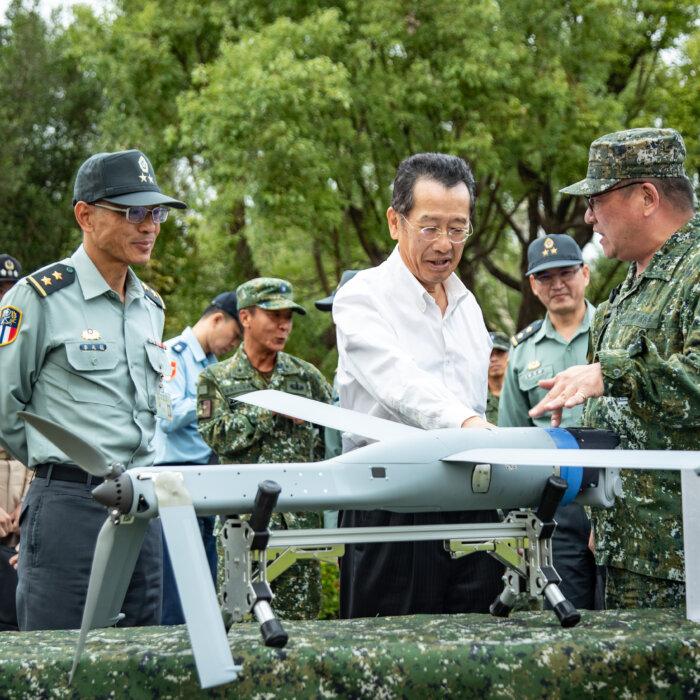
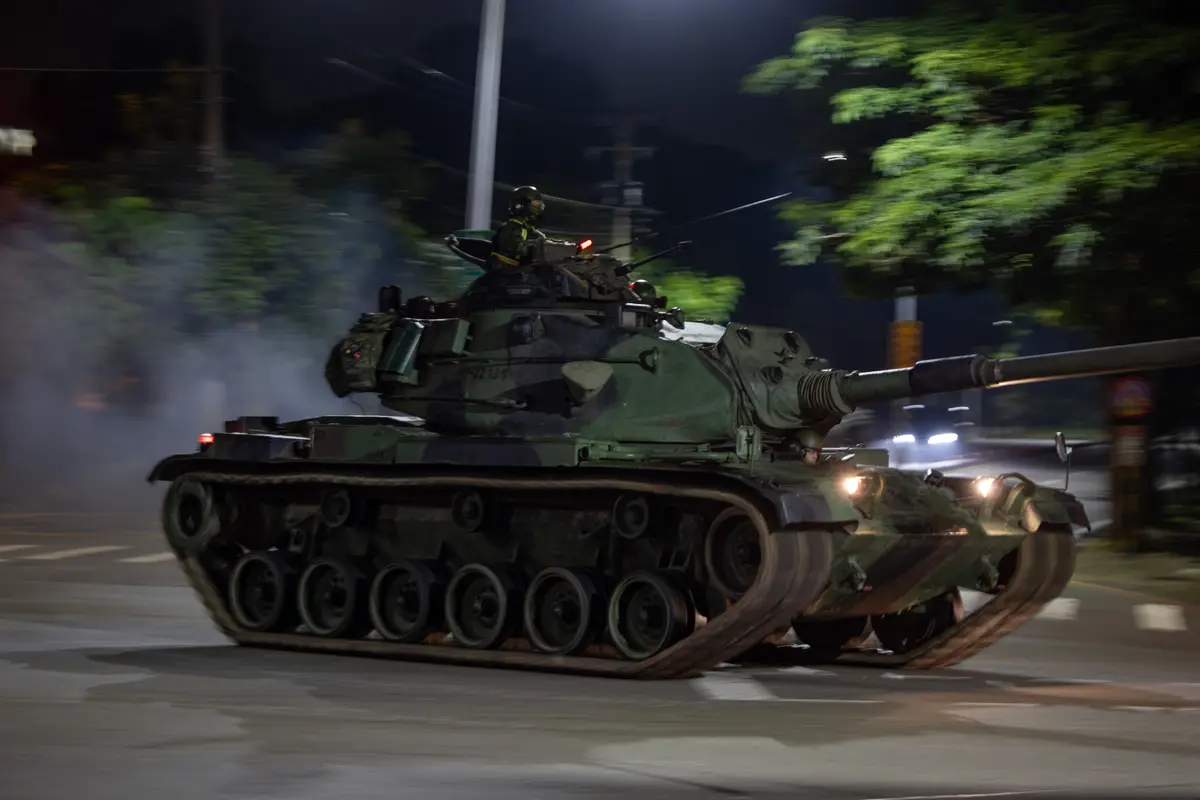
Days before China’s drills, Taiwan on Aug. 5 launched its annual Han Kuang military exercise, a 10-day event rehearsing a scenario in which PLA maneuvers escalate into a full-scale assault on the island.
“Drones can accurately and effectively strike Chinese maritime targets,” he said.
“This was validated during the exercise, further strengthening Taiwan’s defense readiness.”
Chou said the mock network disruption was designed to test Taiwan’s communications resilience in wartime.
“That means Taiwan is shifting from assuming connectivity will hold to assuming it may fail,” he said.
“This drill complicates the regime’s efforts to quickly paralyze Taiwan into submission and execute an anti-access/area-denial (A2/AD) strategy.”
China’s A2/AD strategy involves missiles, submarines, sensors, and air defenses to restrict the United States and its allied forces’ access and operations in areas such as the Taiwan Strait.
Chou warned that as China breaches Taiwan’s geographic barriers with various gray-zone tactics, Taipei is rigorously reviewing its military strategy to avert a worst-case outcome.
“Taiwan must build a layered defense so that even if it is seen, jammed, or hit, it can still keep fighting,” he said.
“The island is restructuring its defense posture to counter the CCP’s maritime expansion.”