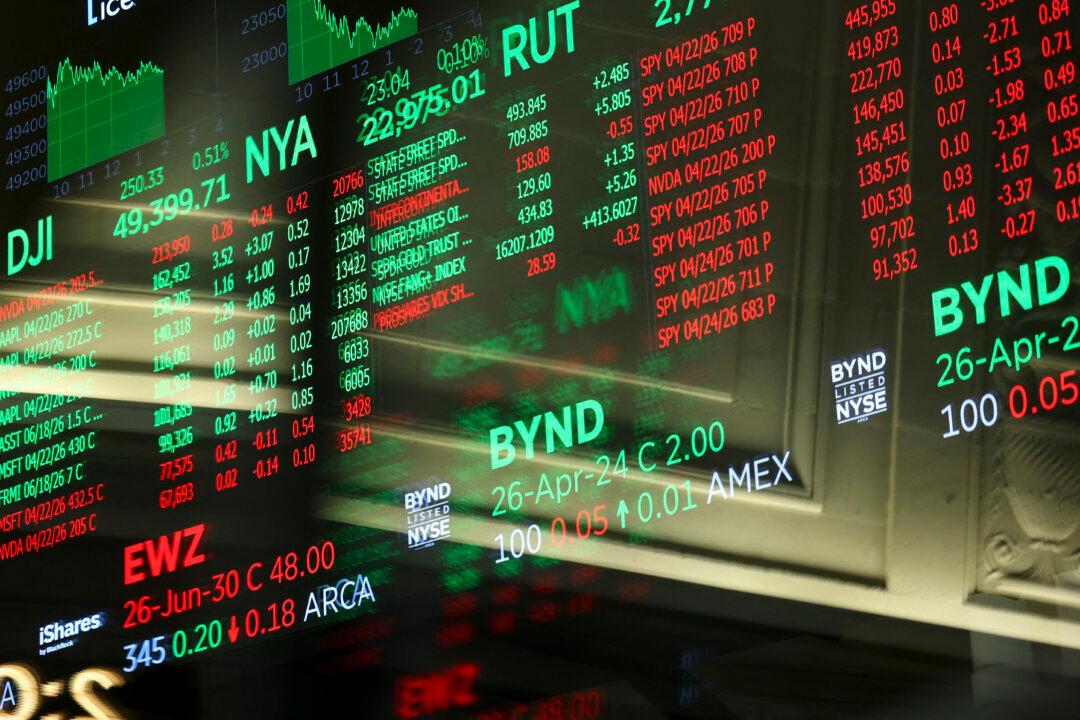
Stocks ended the first trading week of September with most major indexes posting weekly gains, as a flurry of weak labor market headlines raised expectations for an interest rate cut by the Federal Reserve later in the month.
Meanwhile, strong earnings from semiconductor giant Broadcom, the announcement of a partnership between Goldman Sachs and T. Rowe Price, and a favorable court ruling for Google’s parent company, Alphabet, contributed to positive investor sentiment.
Equity markets opened the shortened trading week on Sept. 2 sharply lower, extending the losses from Aug. 29.
Traders and investors continued to sell artificial intelligence-related tech shares on valuation concerns, with equity indexes trading above historical averages.
The gains came despite growing bets of a rate cut later in September.
Traders in domestic and overseas credit markets have been concerned about growing fiscal deficits, elevated inflation, and increased corporate debt issuance.
Weak U.S. manufacturing headlines on Sept. 2 were another factor contributing to the selling pressure on equities, dragging them lower.
While the court ruling imposed limits on how the company distributes its services, it stopped short of calling for the sale of its Chrome search engine.
Because the ruling will allow Google to continue certain practices that are highly profitable, markets reacted positively to it, and Google’s share prices rose sharply when the market opened.
Apple’s share prices also rallied, as it, too, could benefit from continuing its exclusive deals with Google.
The deal between the two financial giants included the purchase of up to $1 billion in T. Rowe Price common stock, with the intention of Goldman Sachs owning up to 3.5 percent.
The move boosted investor interest in the financial sector.
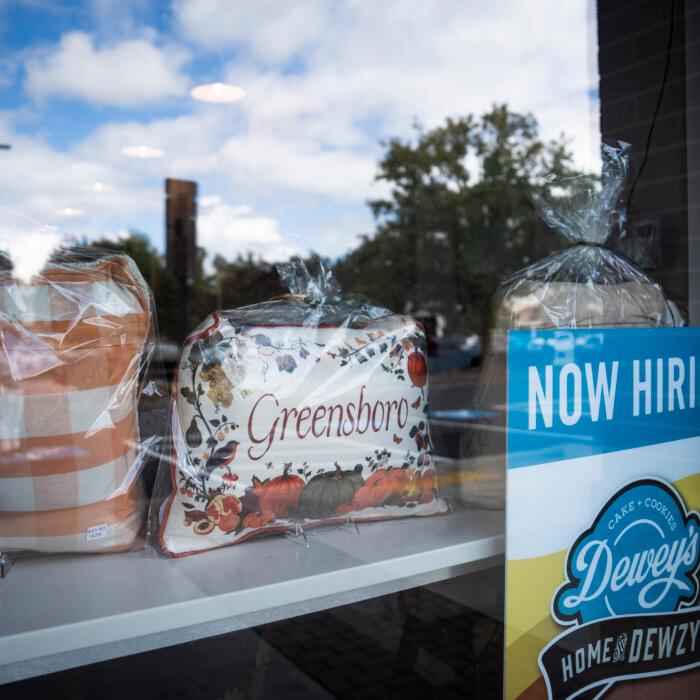
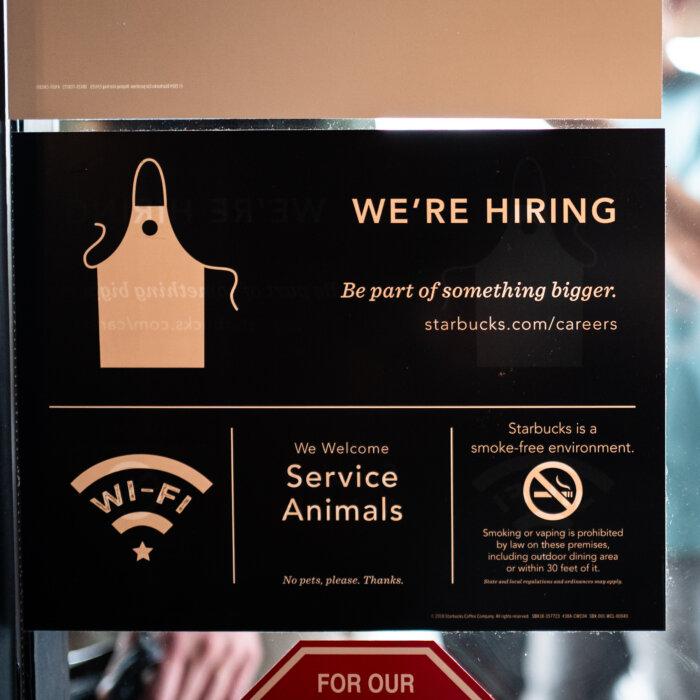
Meanwhile, reports indicating a continued cooling in the labor market fueled the “bad news is good news” sentiment.
The continued labor market cooling-off makes it more likely that the Federal Reserve will cut interest rates in September, a prospect that sent bond yields lower and equities higher across the board.
The likelihood of lower interest rates became almost certain on Sept. 5, with yet another headline indicating that the labor market was weakening at a fast pace.
“Coming into [Sept. 5], confidence has grown to near certainty that the Fed will cut rates later this month—and today’s report adds even more weight to that scale,” Bret Kenwell, an eToro U.S. investment analyst, told The Epoch Times.
Rich Mullen, founding partner and CEO of Massachusetts-based Pallas Capital Advisors, agrees.
“[The Sept. 5] jobs report shows that employers are still hesitant to hire, and it is further confirmation that the labor market is weakening,” he told The Epoch Times. “This is the last jobs report before the Federal Reserve’s September meeting, and its weakness increases the chances that the Fed will proceed with its rate cut later this month.”
Still, a weak labor market isn’t all good news for equities, as it could eventually hurt corporate earnings, a critical driver of market valuations and performance. This may help explain the fading of the Sept. 5 equity rally and the mixed closing of equity indexes.
“As we head into the fall months, which are historically synonymous with volatility, stock valuations remain elevated,” Mullen said.
He believes that this year’s stock market gains are already in and that there will likely be muted upside from current levels.
However, Mullen viewed the “buy the dip” mentality as still in play at the time, mainly because valuations were so high.
“There are investors who are waiting for valuations to contract,” he said. “Any near-term pullbacks are likely to be brief and shallow, thanks to the fury of dip buyers, as the stock market faces a favorable backdrop currently.”