The end-of-year incentive pool is expected to be the highest since 2021, according to Johnson Associates, a financial compensation consultancy firm.
Equity and trading desks are projected to receive the most significant rewards, climbing between 15 and 25 percent from last year.
Professionals in asset and wealth management are predicted to enjoy payouts rising between 7 and 12 percent.
Hedge fund bonuses could also increase as much as 10 percent.
Investors have been taking another look at their portfolios as President Donald Trump’s tariffs, the artificial intelligence (AI) boom, and the Federal Reserve’s interest rate cuts alter the stock market.
Investment bankers in equity underwriting and mergers and acquisitions advisory are forecast to receive increases of as much as 15 percent.
The report stated that traditional asset management improved amid market appreciation, while investment and commercial banking were up across all units.
Hedge funds also registered solid inflows and performance.
Johnson’s forecasts come as the big banks registered solid third-quarter performances, which added another layer to this year’s stellar Wall Street rally.
Many of the large financial institutions noted vigorous trading activity among their clients.
Running of the Bulls
Convenient access to financial markets, fractional trading, free trades on online brokerage accounts, and solid balance sheets have enabled retail investors to trade regularly and take on the wolves of Wall Street.Options trading involves buying and selling the right to trade an asset at a predetermined price before a specific date.
Zero-day-to-expiry options are ultra-short-term contracts that expire the same day they are traded.
Options carry substantial risk, especially for inexperienced traders.
Demand for exchange-traded funds—an investment pool comprising stocks, bonds, or other assets—has been enormous.
Cryptocurrency has also played a bigger role in market activity during the industry’s ascent.
U.S.-based financial services platform Robinhood reported $80 billion in cryptocurrency trading volume, resulting in a 339 percent year-over-year increase in third-quarter crypto trading revenue.
But activity has been broad-based and likely to continue in the fourth quarter, says CFO Jason Warnick.
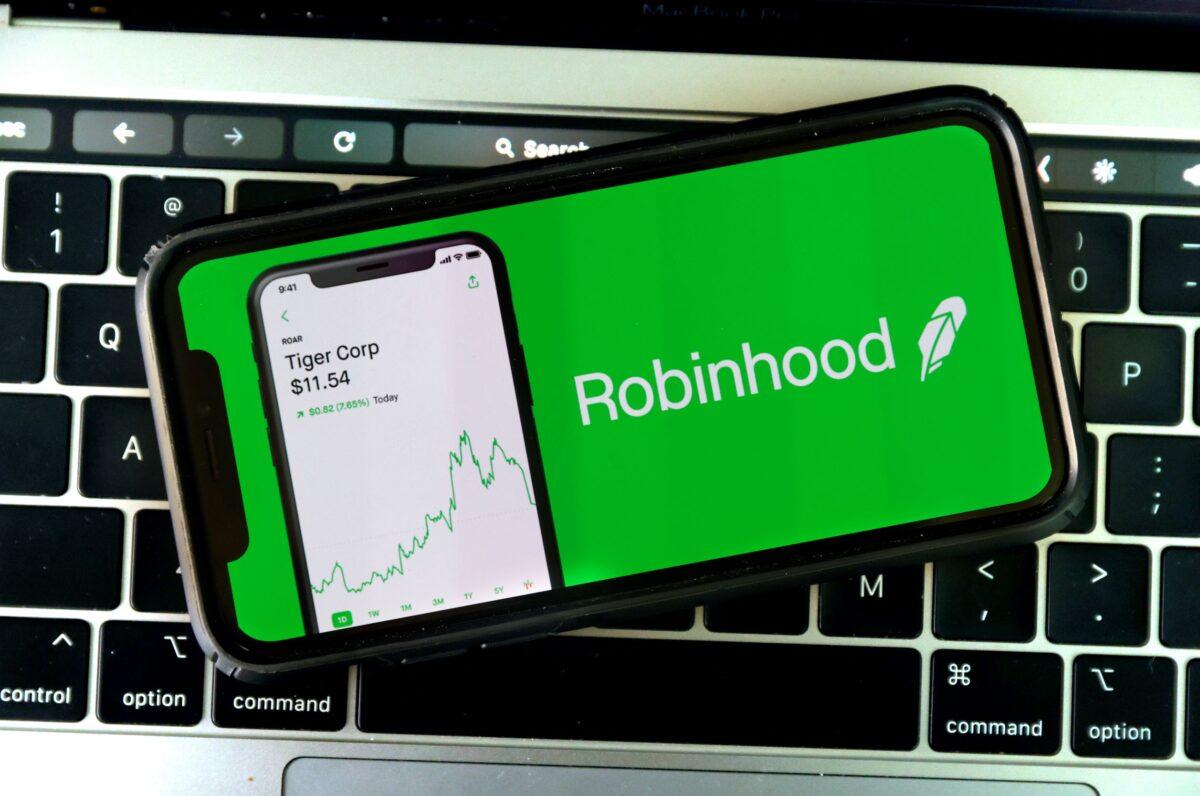
“And Q4 is off to a strong start in October, with record monthly trading volumes across equities, options, prediction markets, and futures, and new highs for margin balances.”
Despite the insatiable appetite for stocks, investors continue to hold trillions of dollars in money market accounts and cash equivalents, driven by three years of elevated interest rates.
As a result, a growing chorus of market watchers does not expect a significant decline in the stock market because retail traders have the capital to buy the dips.
“The weather remains cloudy, bulls are hesitant, but the dip-buyers are never far away. I’m not even sure we can get a meaningful dip when retail investors are so eager to jump back in—we’ll see,” Ipek Ozkardeskaya, senior analyst at Swissquote Bank, said in a note emailed to The Epoch Times.
The leading benchmark averages traded lower on Nov. 6 as AI stocks resumed their decline.
The tech-heavy Nasdaq Composite Index fell more than 1 percent, while the blue-chip Dow Jones Industrial Average dropped close to 1 percent. The broader S&P 500 also tumbled about 1 percent.
Will traders buy the dip?