Vision Wheel, Inc., has issued a recall of 36,661 wheels that may have been improperly manufactured, causing the wheel to crack and potentially resulting in an accident.
According to the manufacturer, the material may have inconsistencies, resulting in the wheel cracking after hitting a bump, pothole, or curb. In its March 19 notice, the National Highway Transportation Safety Administration (NHTSA) noted that a wheel that fractures in that case can cause loss of vehicle stability and present a safety hazard.
Vehicle owners with these wheel numbers should bring the vehicle to the dealership where they made their purchase, where the wheels can be replaced free of charge.
Owner notification letters are expected to be mailed sometime this month. Owners may also contact Vision Wheel’s customer service department at 844-388-4746. The Vision Wheel recall number is 2127-0616.
The wheels in the recall were manufactured by Seojin, based in Korea, and sold by Vision, headquartered in Decatur, Alabama. The potentially defective wheels were manufactured between Nov. 1, 2025, and Jan. 13, 2026.

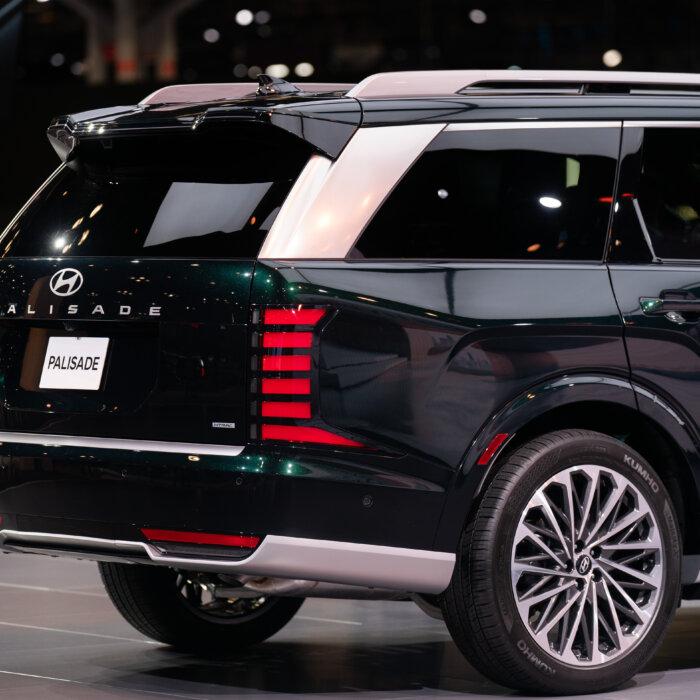
For those wheels, Seojin changed its paint-oven temperatures, producing wheels with altered material properties and increased brittleness. Seojin’s Jan. 13 report confirmed that excessive oven temperatures affected the characteristics of the wheels produced during that time period. Validating testing after reducing oven temperatures showed no impact on test failures.
Wheels not included in the recall were manufactured after Seojin resolved the paint-oven temperature issues.
Vision Wheel noted that it is not aware of any warnings that would reliably alert an owner to the defect. The condition only became known through laboratory impact testing. To date, Vision Wheel is not aware of any accident resulting from cracked wheels.
Neither the NHTSA nor Kelley Blue Book has recorded any previous recalls from Vision Wheels.
NHTSA estimates that more than 11,000 accidents each year are attributed to faulty tires or defective wheels.
It notes that wheels modified with custom rims or other features may not always be compatible with the hubs, which could lead to stability issues. The use of inferior materials in the wheel construction could cause the wheel rim and tires to explode.
Regarding tires, the most common defect is tread separation. Additional factors leading to accidents include sidewall defects, off-center belts, and tire bead failure—damage or separation of the tire’s inner edge from the wheel rim.