Visa and Mastercard would lower their swipe fees by an average of 0.1 percent for five years, saving businesses approximately $30 billion.
Stores would be permitted to reject certain credit cards, effectively controlling “how they accept payments from their customers,” the companies noted.
Key Impacts on Shoppers
Under the agreement, merchants would be allowed to turn down premium rewards cards, which typically carry higher processing fees. Stores could choose to accept only standard credit cards rather than high-reward alternatives.As a result, retailers’ rejection of various cards could limit shoppers’ ability to earn cashback or points. This may also require shoppers to have backup payment options.

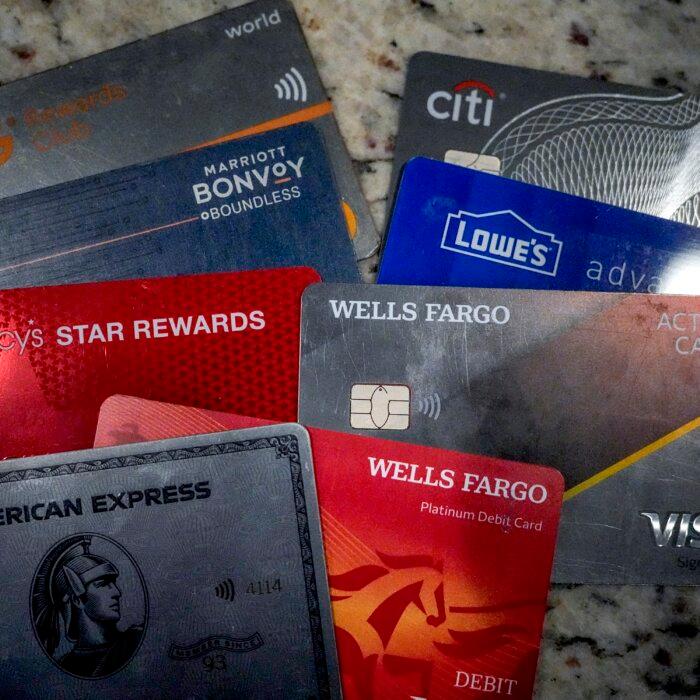
While businesses will enjoy lower interchange fees, they will be offered more options to surcharge, “including if they do not surcharge other credit networks.”
This means that merchants could choose to add a 2 percent surcharge for commercial or premium cards. Small or low-margin businesses might also offer customers a cash or debit card discount.
What Merchants Say
The industry is divided on whether this will ultimately benefit merchants and shoppers.Stephanie Martz, chief administrative officer and general counsel at the National Retail Federation, says the settlement from the 2005 lawsuit does not go far enough.
The settlement will halt the “misguided crusade” by lobbyists for corporate mega-stores and many politicians at the federal and state levels “to undermine our safe, secure, and efficient payment systems through untested government mandates,” according to Hunt.

While the deal will provide small and temporary reductions in swipe fees, the National Grocers Association argued that the resolution has failed to provide relief for both community grocers and working families.
“This settlement leaves Visa and Mastercard’s price-fixing structure fully intact, to the detriment of Main Street businesses and Americans everywhere.”
“The plan to limit interchange fees by only a small fraction does not offset the increases that have occurred over the past several years—let alone the last two decades,” Jensen said in a statement.
Although the proposal tweaks the “honor all cards” rule, it leaves Visa and Mastercard’s market dominance untouched and continues to saddle merchants with the costliest card types, he said.
The agreement will now progress to judicial review.