The United States and Mexico find themselves at odds once again. This time, the issue of contention is a kitchen staple: the tomato.
In July, the U.S. Department of Commerce announced the termination of a 2019 agreement between the two North American countries and the imposition of a 17.09 percent tariff on most fresh tomato imports from Mexico.
The dispute stems from long-running allegations made by farmers in the United States that Mexico is unfairly producing fresh produce at a lower cost south of the border and then dumping it in the United States. This puts U.S. farms at a disadvantage because of the lower cost of labor in Mexico, according to domestic producers.
“Mexico remains one of our greatest allies, but for far too long our farmers have been crushed by unfair trade practices that undercut pricing on produce like tomatoes,“ Commerce Secretary Howard Lutnick said in a July 14 statement. ”That ends today.”
The Mexican government called the decision “unjust” and against the interests of both Mexican and U.S. tomato growers.
In a July 14 statement, the office of Mexico’s Secretariat of Agriculture and Rural Development stated that two out of every three tomato purchases in the United States were grown in Mexico.


Decades of Dispute
The 2025 iteration of the antidumping duty order is part of an on-again-off-again trade disagreement that spans nearly three decades.Specifically, the July order reinstated tariffs on Mexican fresh tomatoes that were previously suspended under a 2019 deal. However, the original antidumping investigation began in 1996 after U.S. tomato growers petitioned the U.S. government to investigate Mexican trade practices.
Since 1996, according to a 2019 notice on the suspension of the antidumping investigation published in the Federal Register, there have been five suspension agreements between the two countries to stabilize the market and prevent dumping. These agreements were inked in 1996, 2002, 2008, 2013, and 2019. The 2019 agreement required Mexican exporters to sell tomatoes at or above specified minimum prices and to eliminate at least 85 percent of the dumping found in previous investigations.
Nevertheless, in July, the U.S. Commerce Department determined that the 2019 deal did not adequately protect U.S. tomato growers from injury caused by unfair pricing practices. The Mexican government countered that this determination was “political.”
In 2025, Mexico City and Washington, both with new presidents inaugurated in the past year, have consistently traded barbs and eventually made deals on issues as diverse as border security and water sharing.

As the Mexican Secretariat of Agriculture and Rural Development stated, the country is the dominant supplier of fresh tomatoes to the United States. A 2025 economic analysis published by Texas A&M University’s Center for North American Studies determined that since 2015, the United States has imported at least 90 percent of its fresh tomatoes from Mexico.
In 2024, the study states, the U.S. imported about 1.92 million metric tons of fresh tomatoes from Mexico, or about $3.12 billion at the border.
The Texas A&M study, written by a team of authors led by the center’s director, Luis Ribera, estimated that fresh tomato imports from Mexico generated $8.33 billion in total economic output for the U.S. economy in 2024. Those imports supported nearly 47,000 full- and part-time jobs across sectors, including retail, wholesale, transportation, and real estate.
Industry Calls for Reconsideration
NatureSweet, the largest branded tomato company in North America, said the July 14 suspension “threatens to upend the fresh tomato supply chain, severely reduce availability, and put food safety at risk for American consumers.”In a statement, NatureSweet CEO Rodolfo Spielmann said the vertically integrated company will be able to absorb the cost shocks and additional administrative issues but that smaller companies may falter under the pressure of new costs.
“We operate in a thin-margin industry,” Spielmann said. “Many smaller growers might not have this flexibility, and this new burden will push some to the brink.”
In a July 11 letter co-signed by 30 industry and trade groups, the U.S. Chamber of Commerce urged the Commerce Department to reconsider its decision.
The letter, cosigned by the National Retail Federation, National Restaurant Association, and Fresh Produce Association of the Americas, warned against “widespread repercussions” on the U.S. economy.
“Withdrawing from the agreement—at a time when the business community is already navigating significant trade uncertainty—could lead to retaliatory actions by our trading partners against other commodities and crops that could create further hardship,” the letter reads.
The Fresh Produce Association of the Americas, which represents produce growers in Canada, Mexico, and the United States, stated that the North American fresh produce supply chain is highly dependent upon the free movement of goods across the continent. Any pauses or new hurdles could lead to significant spoilage, resulting in financial losses for growers and higher prices for consumers.
“Free and fair international trade in fresh produce offers huge economic growth opportunities for businesses and provides consumers with access to safe and healthy fresh food options year-round,” the July 24 letter to Mexico City, Ottawa, and Washington reads.
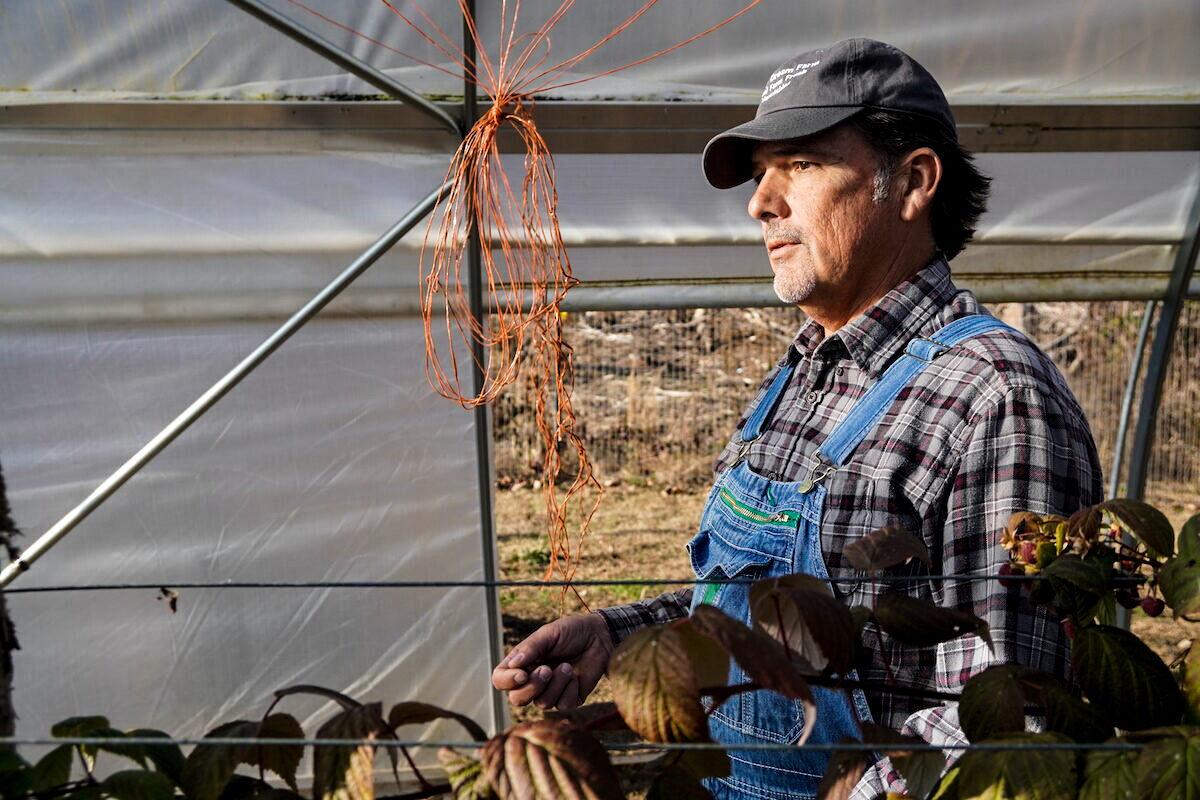
One industry group is cheering the move, however. In a July 14 statement, Florida Tomato Exchange Executive Vice President Robert Guenther said that the move was “an enormous victory for American tomato farmers and American agriculture.”
“This action ensures that American consumers will have more choices and higher-quality products, while strengthening America’s food system against future disruptions,” Guenther said in a statement.
In its July 21 statement, NatureSweet said Floridian growers may not feel the way the rest of the U.S. produce industry does because its tomatoes are grown in the field.
“Florida tomatoes ... are picked green and artificially ripened with gas,” NatureSweet Chief Legal Officer Skip Hulett said in a statement.
Representatives of NatureSweet, the U.S. Chamber of Commerce, the Fresh Produce Association of the Americas, and the Florida Tomato Exchange did not respond to requests for comment.
It remains to be seen whether the tomato tariff will last long. History indicates that new agreements often come every four to six years.
In its statement, the office of Mexico’s Secretariat of Agriculture and Rural Development stated that it would keep working with the U.S. government to find a reasonable solution to the issue. In 2019, when the two nations were last at an impasse, regular trade was reestablished within four months.
“Let’s not turn a trade dispute into a food crisis,” Hulett said in a statement. “Let’s fix this before the damage becomes permanent.”