This copy is for your personal, non-commercial use only. Distribution and use of this material are governed by our Subscriber Agreement and by copyright law. For non-personal use or to order multiple copies, please contact The Epoch Times Reprints.
The Trump administration has sharply rolled back proposed antidumping tariffs on Italian-made pasta, dramatically reducing duties that had threatened to hit some producers with rates exceeding 90 percent, Italy’s foreign ministry said on Jan. 1.
The ministry said the U.S. Department of Commerce had issued post-preliminary findings that cut proposed duties on 13 Italian pasta producers from a provisional rate of 91.74 percent to significantly lower levels, including 2.26 percent for La Molisana and 13.98 percent for Pastificio Lucio Garofalo.
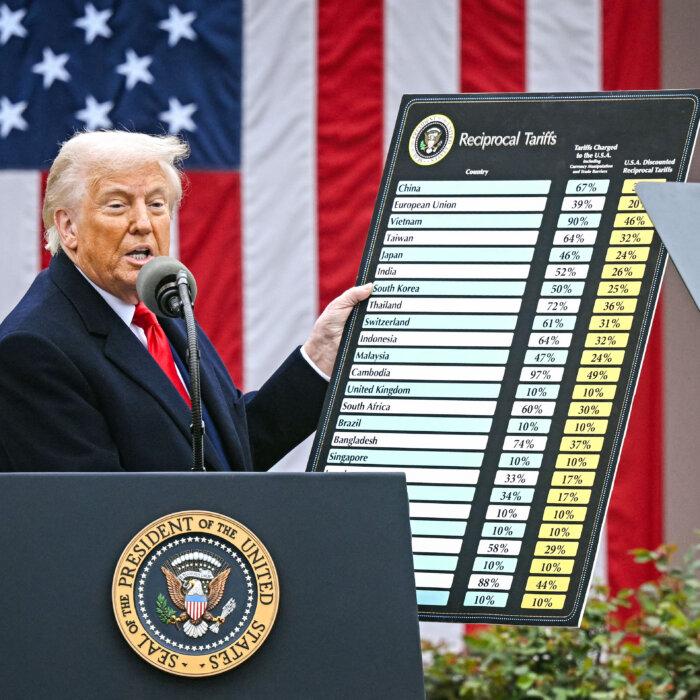
The revised duties would apply in addition to the existing 15 percent tariff imposed on most imports from the European Union under President Donald Trump’s broader trade policy.
The reductions mark a sharp decrease from the Commerce Department’s preliminary determination issued in September, which had found that Italian pasta exporters sold products in the U.S. market at less than fair value, warranting steep antidumping duties beginning in January 2026.
“The recalculation of the duties is a sign that U.S. authorities recognize the constructive willingness of our companies to cooperate,” Italy’s foreign ministry said, adding that the outcome also reflected sustained diplomatic engagement by the Italian government.
U.S. authorities are expected to issue final determinations in the case by March 11.
Italy is the world’s largest pasta exporter, with total pasta exports valued at more than $4.7 billion in 2024, according to national statistics agency ISTAT.
The United States is one of Italy’s most important markets, accounting for nearly $800 million in annual pasta sales.
From 92 Percent to Single Digits
The Commerce Department opened its investigation into certain Italian pasta products in 2024 after two U.S. pasta makers—8th Avenue Food & Provisions and Winland Foods—requested a review of Italian exporters.
Following a review that identified what the Commerce Department described as unfair pricing practices, U.S. officials said in September 2025 that 13 Italian pasta companies would face antidumping duties of up to 92 percent, on top of existing 15 percent tariffs on most European Union products. La Molisana and Garofalo, which were singled out as mandatory respondents in the investigation, have both denied the dumping allegations.
Under the revised findings announced by Italy’s foreign ministry on Jan. 1, La Molisana’s duty was cut to 2.26 percent, while Garofalo’s rate was set at just under 14 percent. Eleven other companies—including Barilla, Rummo, and several smaller producers—would face a uniform rate of 9.09 percent, the ministry said.
The Commerce Department has not publicly commented on the revised figures, and the White House did not immediately respond to a request for comment.
The duties arise from a U.S. antidumping order on Italian pasta dating back to 1996, with the latest review covering sales from mid-2023 to mid-2024.
The pasta decision comes amid a series of tariff adjustments, as the Trump administration seeks to balance aggressive trade enforcement with ongoing negotiations.
On Dec. 31, the White House said Trump had postponed a planned increase in tariffs on imported upholstered furniture, kitchen cabinets, and vanities by one year, delaying hikes that were scheduled to take effect on Jan. 1, 2026. The current 25 percent duty on those products will remain in place through 2026.
The delay was authorized in a presidential proclamation under Section 232 of the Trade Expansion Act of 1962, following a Commerce Department investigation that concluded imports of timber, lumber, and related products pose a risk to U.S. national security by increasing reliance on foreign suppliers.
Tom Ozimek is a senior reporter for The Epoch Times. He has a broad background in journalism, deposit insurance, marketing and communications, and adult education.