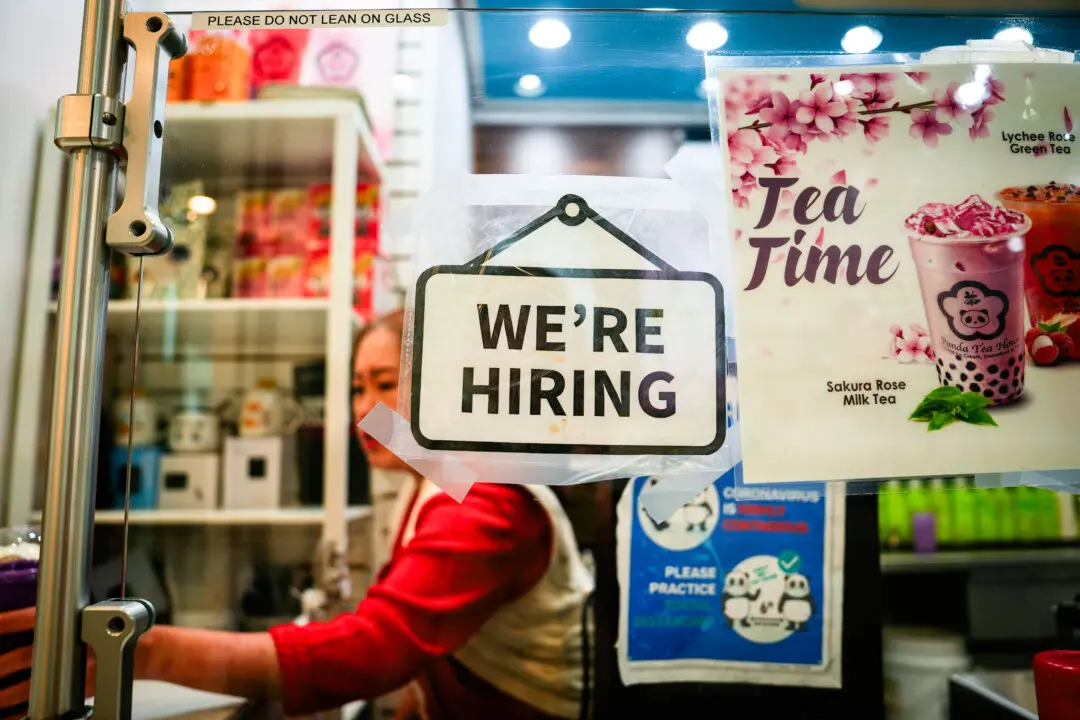
Retailers are bracing for a wave of post-holiday returns once the Christmas cheer settles, according to a new report from Adobe Analytics.
In the five days after Christmas—Dec. 26–31—returns are expected to rise 25–35 percent from the pace seen earlier in the holiday season, from Nov. 1 to Dec. 12.
“The last week of December sees the greatest concentration of returns,” Adobe said in a report shared with The Epoch Times.
“One out of every eight returns in the 2024 holiday season took place between Dec. 26 and Dec 31 ... a trend expected to persist this year.”
Return rates are also expected to remain elevated through the first two weeks of January, up as much as 15 percent from the first six weeks of the season.
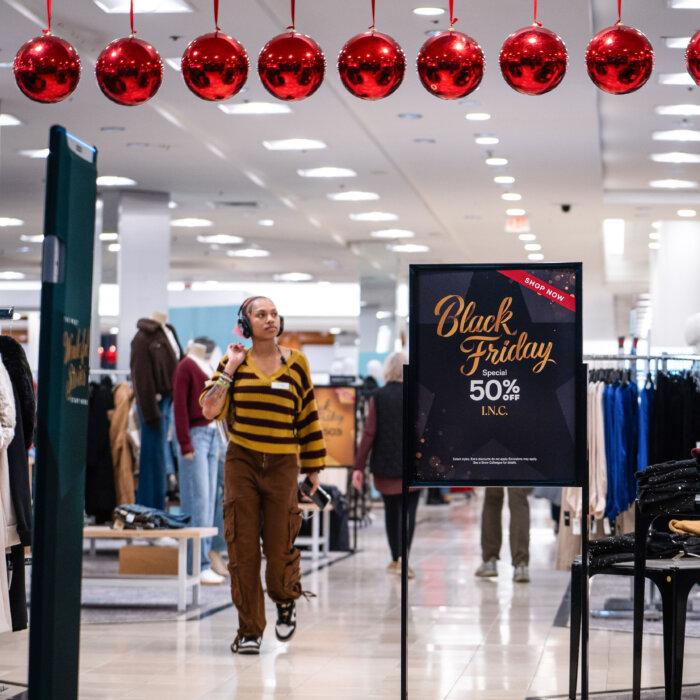

Online sales will account for a larger share of returns this year, exceeding 19 percent.
Since the pandemic, returns have become integral to retailers’ overall strategies, says the trade association representing the industry.
“Returns are no longer the endpoint of the shopping experience,” the National Retail Federation said in its 2025 Retail Returns Landscape report released on Oct. 15.
“What once was seen as a necessary cost of doing business has now become a central driver of retail strategy, directly influencing profitability, customer experience, and operational resilience.”
Returns are also necessary to influence how younger consumers shop, says David Sobie, co-founder and CEO of Happy Returns.
Generation Z customers—aged between 18 and 30—made an average of 7.7 online purchase returns over the past 12 months. This is more than any other generation. In addition, Gen Z shoppers respond strongly to retailers that provide free, box-free, and label-free returns with instant refunds—and many say those features make them more likely to shop with a brand.
As a result, retailers need to upgrade their return capabilities, Sobie noted.
Still, so far this holiday season, shoppers have been returning fewer products, according to Adobe.
Consumer Spending
The five-day Thanksgiving holiday weekend—Thanksgiving Day through Cyber Monday—drew a record 203 million shoppers, data from the National Retail Federation show. This is up from 197 million last year.Despite economic uncertainty, consumers are continuing to spend heading into Christmas Day, especially online.
Season to date, consumers have spent more than $187 billion, representing a 6.1 percent increase from the same period a year ago.
“Adobe is reiterating its full season forecast (Nov.–Dec.) after a strong Cyber Week showing, with online spend set to cross the $250 billion mark ($253.4 billion online, up 5.3 percent year over year),” it said.
This is good news for an economy that is driven by two-thirds of consumption. The data might also indicate that consumers were merely financially preparing for the holiday season in October.
“Today’s data paints a picture of an economy catching its breath,” Gina Bolvin, president of Bolvin Wealth Management Group, said in a note emailed to The Epoch Times. “Job growth is holding on, but cracks are forming. Consumers are still standing, but not sprinting.”
The November consumer price index will be published on Dec. 18, with the market consensus penciling in an annual inflation rate of 3.1 percent.