“We expect strong demand growth in the commercial sector because of the expansion of data centers,” the report stated. “We forecast that U.S. commercial electricity sector consumption will grow by 3 percent in 2025 and by 5 percent in 2026.”
This is up from the previous forecast of a 2 percent growth through 2026.
For the immediate summer season, EIA is forecasting U.S. electricity demand to be higher by 1 percent than in the summer of 2024, according to the report.
“The Electric Reliability Council of Texas (ERCOT) will likely experience the largest summer-over-summer increase in generation compared with last year as a result of growing electricity demand from data centers and new manufacturing facilities,” the EIA stated in the report.
Amid higher demand, electricity prices are also expected to increase.
“Parts of the country with relatively high electricity prices may experience greater price increases than those with relatively low electricity prices,” the EIA said. “Residential electricity prices in the Pacific, Middle Atlantic, and New England census divisions—regions where consumers already pay much more per kilowatt-hour for electricity—could increase more than the national average.”
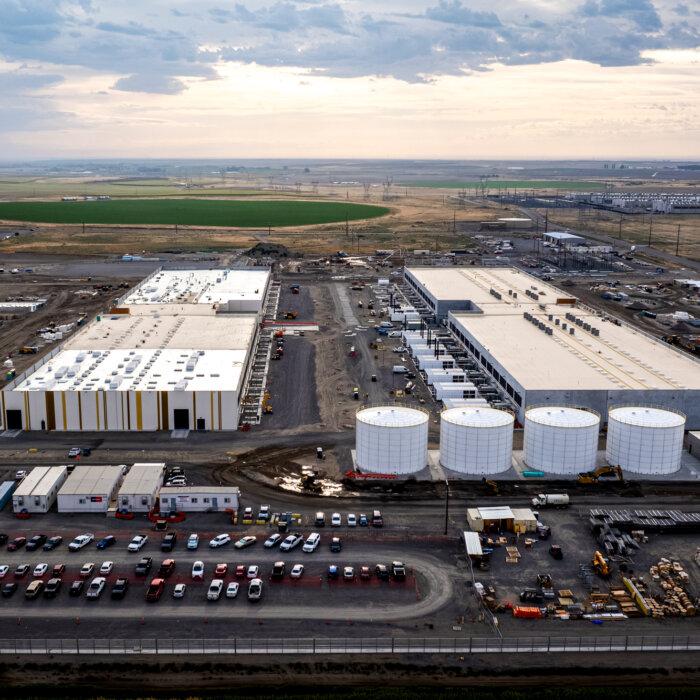
“Data centers can be developed faster than the generation and transmission infrastructure needed in the area to support them, resulting in lower system stability. Additionally, the voltage sensitivity and rapidly changing, often unpredictable, power usage of these facilities creates new operating challenges,” NERC said.
The large electricity loads used by data centers are creating new reliability challenges, according to NERC. It highlighted the case of roughly 1,500 megawatts of data centers simultaneously disconnecting from the grid last year in an unexpected manner because of a fault in a transmission line.
“A loss of load of this size is comparable to a large nuclear power plant coming on-line immediately and unexpectedly, creating an imbalance due to too much generation on the system,” the report stated.
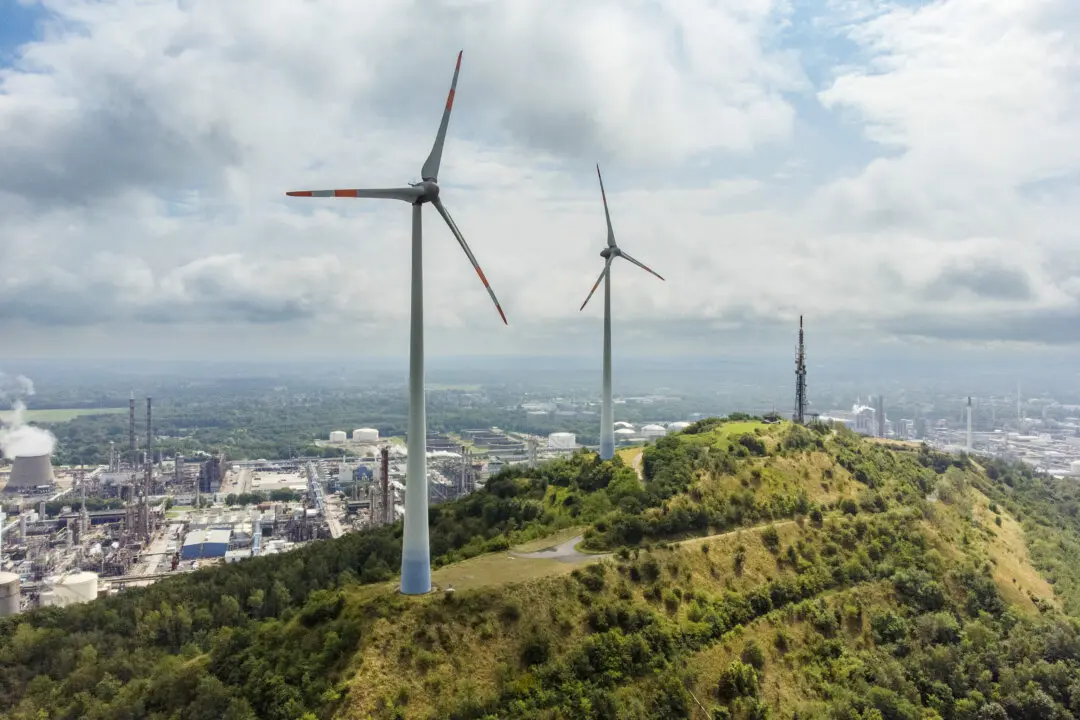
Renewable energy sources such as solar and wind power were deemed to pose a risk to the reliability of the power supply, according to the report.
Michelle Bloodworth, CEO of America’s Power, a partnership of industries involved in producing electricity from coal, said the report reveals America’s electricity grid was “increasingly reliant on weather-dependent sources of electricity” such as wind and solar.
This places “one-third of the country at elevated risk of blackouts this summer,” Bloodworth said. “Delayed coal plant retirements are playing a key role in supporting grid reliability. However, this is only a temporary band-aid because [Environmental Protection Agency] regulations will cause more coal retirements that cannot be delayed.”
“The push for 24/7 firm power has intensified as AI-driven data center growth amplifies grid stability and curtailment concerns, accelerating demand for dispatchable power,” Gosai said.
The Department of Energy estimated in a December 2024 report that energy consumption by data centers in the United States could reach between 325 terawatt-hours and 580 terawatt-hours by 2028, potentially consuming 12 percent of the nation’s electricity supply.