The United States has initiated new trade probes into 60 economies to determine whether their trade practices have enabled imports made with forced labor, the U.S. Trade Representative (USTR) said on March 12.
The probes are being conducted under Section 301 of the Trade Act of 1974, which looks into potential unfair trade practices by trading partners. Those found to be in violation could face tariffs.
Among the 60 economies subject to the latest probes are Australia, China, Canada, India, Israel, Mexico, Japan, the European Union, Russia, South Korea, and Vietnam, according to the USTR.
“Despite the international consensus against forced labor, governments have failed to impose and effectively enforce measures banning goods produced with forced labor from entering their markets,” U.S. Trade Representative Jamieson Greer said in the statement.
“These investigations will determine whether foreign governments have taken sufficient steps to prohibit the importation of goods produced with forced labor and how the failure to eradicate these abhorrent practices impacts U.S. workers and businesses.”
On March 11, USTR launched Section 301 investigations into structural excess capacity and production across 16 economies. Greer said the probes will examine whether their practices discriminate against or burden U.S. commerce.


The economies targeted in those probes include China, the European Union, Singapore, Switzerland, Norway, Indonesia, Malaysia, Cambodia, Thailand, Korea, Vietnam, Taiwan, Bangladesh, Mexico, Japan, and India.
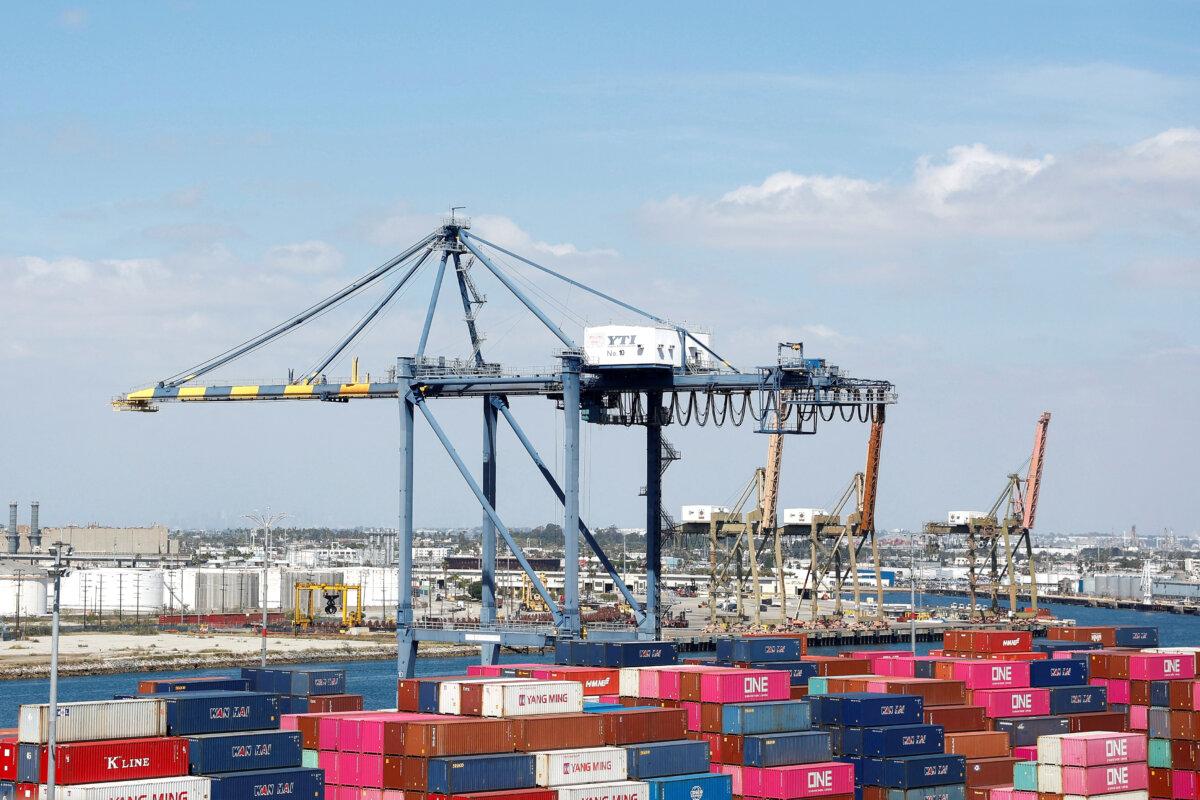
Section 122 allows the president to implement a tariff rate of up to 15 percent on countries that maintain “large and serious” trade surpluses with the United States.
Trump wrote in a Feb. 21 post on Truth Social that his administration would introduce “new and legally permissible tariffs” in the coming months and planned to increase the global tariff to 15 percent.
There are key exemptions to the global tariff, including USMCA-compliant goods, pharmaceuticals, critical minerals, and food imports. USMCA stands for United States–Mexico–Canada Agreement.
Other elements of the tariff regime remain in place. These include 50 percent on aluminum, copper products, and steel; 25 percent on automobiles and furniture; and 10 percent on lumber.