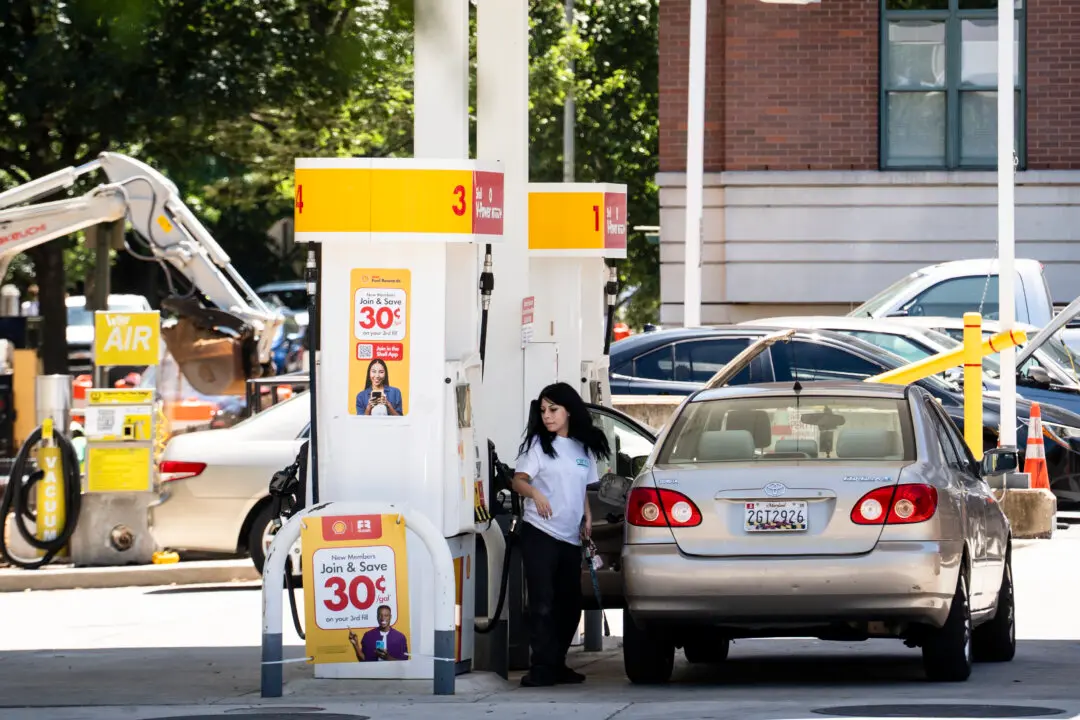
The price of crude oil has fallen sharply this year, and the energy industry is bracing for lower prices in 2026.
Prices for a barrel of West Texas Intermediate crude oil, the U.S. benchmark, have declined about 15 percent, to around $61 a barrel on the New York Mercantile Exchange.
U.S. oil prices had slipped below $58, before climbing on tighter enforcement of sanctions on Russian petroleum exports and the potential disruption of energy flows.
Still, despite the geopolitical-driven periods of volatility this year, oil’s overall performance since mid-January may be indicative of what the energy industry could expect heading into 2026.
Experts warn that global energy markets could be oversupplied in the near term, which is expected to further weigh on oil prices.

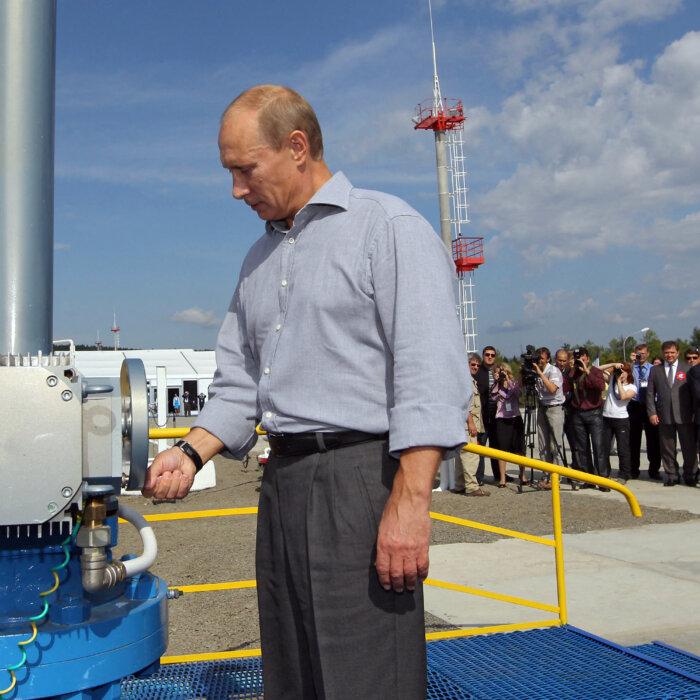
The Organization of the Petroleum Exporting Countries (OPEC) and its allies, OPEC+, plan to bolster output and bring daily production levels to 4 million barrels.
OPEC will convene its next meeting on Nov. 2, and officials are widely expected to agree to an additional increase of supply by 137,000 barrels per day for December.
Oil supply growth among other non-OPEC+ producers, such as Argentina, Brazil, Canada, and Guyana, is expected to be approximately one million barrels per day next year, the International Energy Agency (IEA) projected in September.
A challenge for worldwide energy markets has been waning demand.
In the year ahead, the IEA’s global oil demand outlook is unchanged, “with growth of around 700 kb/d [thousand barrels per day] expected for both 2025 and 2026.”
“In 2026, commodity prices are forecast to fall by a further 7 percent, a fourth consecutive year of decline, as global growth remains sluggish and the oil market oversupplied,” the World Bank said in its latest Commodity Markets Outlook, released on Oct. 29.
“Key downside risks include weaker-than-expected global growth, a longer-than-assumed period of economic policy uncertainty, and additional oversupply of oil.”
Estimates—for both the U.S. and global benchmarks—have varied in recent weeks.
U.S. oil and gas executives forecast West Texas Intermediate prices to be $64 over the next 12 months, according to the third-quarter Federal Reserve Bank of Dallas Energy Survey.
Production Strong Despite Prices
For now, the sector appears indifferent to the present trajectory of oil prices.Recent earnings reports indicate the oil and gas industry is going full throttle—at least for now.
Exxon Mobil said it generated record output of almost 1.7 million oil-equivalent barrels per day in the Permian Basin—the largest domestic oilfield.
Still, falling oil prices have taken a bite out of these companies’ earnings.
Chevron’s third-quarter earnings, for example, declined 21 percent year over year, to $3.6 billion, while Exxon reported a 12 percent year-over-year drop, to $7.55 billion.
“Both face the same test: protecting profitability and capital discipline in a lower-price environment while reassuring investors about cash returns and production outlooks,” Ipek Ozkardeskaya, senior analyst at Swissquote Bank, said in a note emailed to The Epoch Times.
Baker Hughes CFO Lorenzo Simonelli expects potential headwinds for near-term revenue growth if there is restraint amid possible oversupply.
But lower oil prices also mean less pain at the pump for motorists.