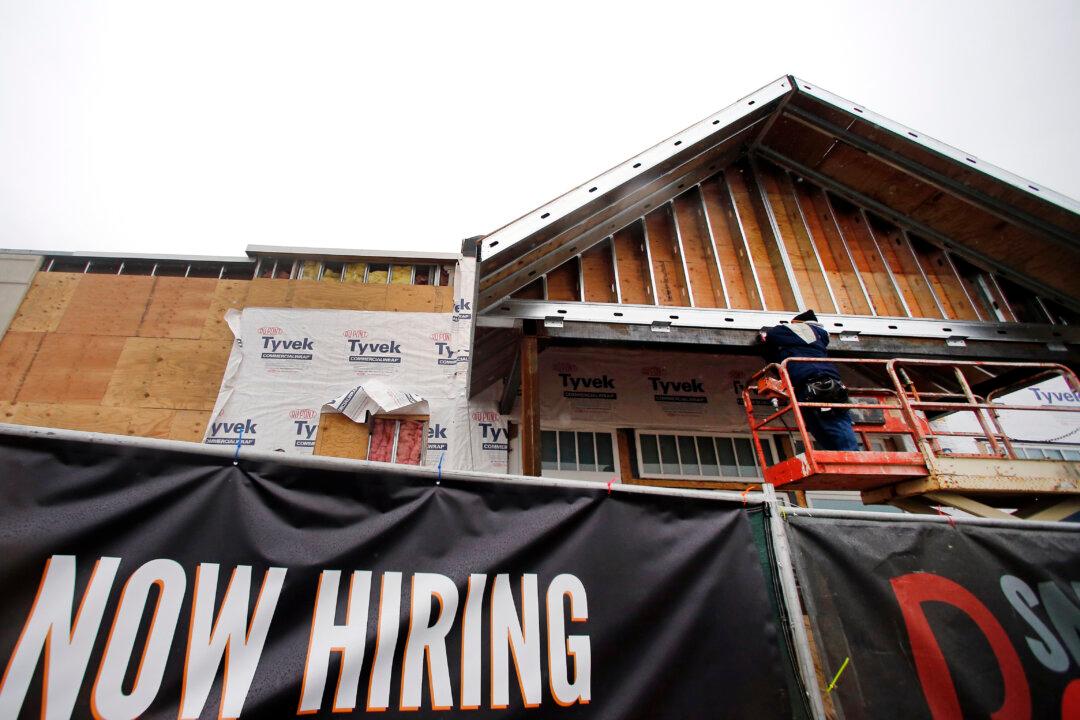
Sales of newly built homes fell unexpectedly in May, marking the second consecutive month-over-month decline, according to a June 24 report from the Census Bureau.
New home sales fell 7.3 percent in May to a seasonally adjusted annual rate of 580,000, down from 626,000 in April, following a 5.7 percent drop the previous month. The sales level is far below market expectations of about 640,000 for May.
The May new home sales also declined by 6.8 percent from the May 2025 rate of 622,000.
Rising mortgage rates and inflation, along with economic uncertainty, may have kept many new home seekers out of the market in May, according to Bill Owens, chairman of the National Association of Home Builders (NAHB).
“The decline in builder sentiment is consistent with our latest builder surveys,” Owens said in a statement on June 24. “Many potential buyers remain on the sidelines as elevated mortgage rates, higher construction costs and limited purchasing power continue to reduce the pool of qualified buyers.”
Freddie Mac reported the mortgage interest rates as of June 18 at 6.47 percent for a 30-year fixed rate and 5.81 percent for a 15-year fixed rate.
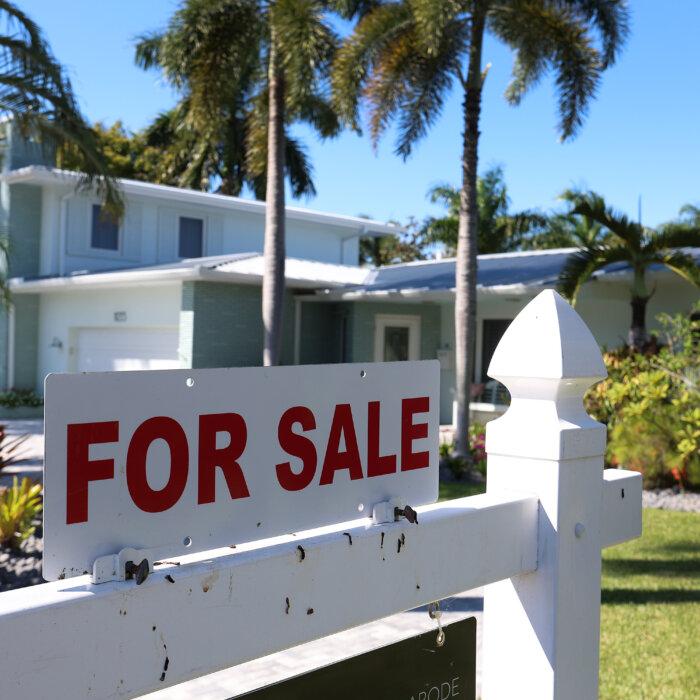
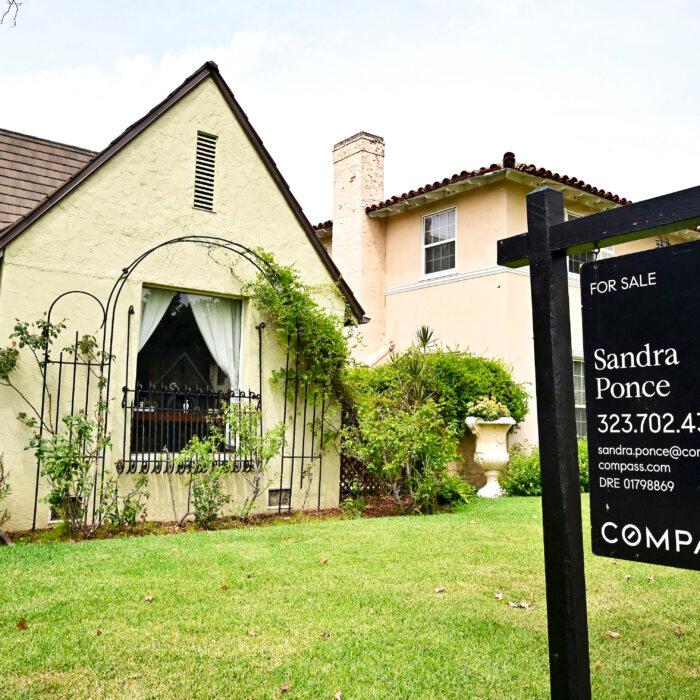
Danushka Nanayakkara-Skillington, NAHB assistant vice president for forecasting and analysis, added that even with buyer incentives and pricing adjustments, many households are still priced out of the market.
“A sustained reduction in financing costs would help improve housing affordability and strengthen housing demand,” she said. “The trajectory of mortgage rates and improvements in housing affordability will be key factors determining whether demand stabilizes in upcoming months.”
The NAHB reported new single-family home inventory in May at 496,000 units, down by 1.4 percent from a year ago. This represents an elevated 10.3 months’ supply at the current building pace.
The national organization also said the inventory of completed, ready-to-occupy homes reached 115,000 homes in May, the same level as May 2025.
According to NAHB, a new home sale occurs when a sales contract is signed or a deposit is accepted. The home can be in any stage of construction: not yet started, under construction, or completed.
Regionally, new home sales fell hardest in the West, by 11.4 percent, followed by the South at 8.2 percent. The Midwest saw new home sales rise by 4.2 percent and the Northeast saw a rise of 1.9 percent.
Realtor.com senior economist Joel Berner attributed sluggish new home sales to higher prices, as builders rely on higher dollar values to offset the slower market pace.
“The new home market is firmly in buyer’s market territory and moving even further that way,” Berner said in a June 24 report.
“New homes are selling better in the Northeast and Midwest where overall housing supply is more constrained, while they are struggling more to sell in the regions where inventory has recovered to pre-pandemic levels.”
Meanwhile, the Census Bureau recorded the median price for all new homes sold last month at $424,900—a 2 percent uptick over April’s median price of $416,500 but basically unchanged from May 2025 at $424,800.
The average sales price skewed higher last month at $540,000, representing a 7.8 percent increase from April at $501,400, and a 5 percent advance from May 2025 at $514,800.
Earlier this month, the National Association of Realtors indicated that existing home sales grew by 3.2 percent in May, with month-over-month sales increasing in the Northeast, Midwest, and South. Month-over-month sales in the West remained unchanged.
On a year-over-year basis, sales rose in the Midwest, South, and West, but declined in the Northeast.
If new home sales continue to dip, Berner suggested, builders may want to consider downsizing homes and changing locations. “Smaller-scale, more affordable urban construction could meet the market where it is,” he said.