US Imposes Steel, Aluminum Tariffs on Railcars, Hundreds of Other Derivative Products

Other derivative products subject to the tariff hikes include wind turbines and bulldozers, according to the Commerce Department.
US Imposes Steel, Aluminum Tariffs on Railcars, Hundreds of Other Derivative Products
Aluminum fabricated parts at a factory that exports its products to the United States, in Ciudad Juárez, Mexico, on Feb. 11, 2025. Jose Luis Gonzalez/Reuters
|Updated:
0:00

The U.S. government announced on Aug. 19 tariff hikes on more than 400 products, including railcars, compressors, and furniture, subjecting them to the 50 percent steel and aluminum import duties.

In a statement, the Commerce Department said it added 407 product categories to the list of derivative steel and aluminum goods covered under Section 232 sectoral tariffs, effective Aug. 18.

“Today’s action expands the reach of the steel and aluminum tariffs and shuts down avenues for circumvention—supporting the continued revitalization of the American steel and aluminum industries,” the undersecretary of commerce for industry and security, Jeffrey Kessler, said.

The derivative products list now includes wind turbines and their parts and components, mobile cranes, bulldozers, railcars, furniture, compressors, and pumps, according to the statement.

The department also added parts for automotive exhaust systems and electrical steel needed for electric vehicles to the new tariffs, as well as components for buses and air conditioners.
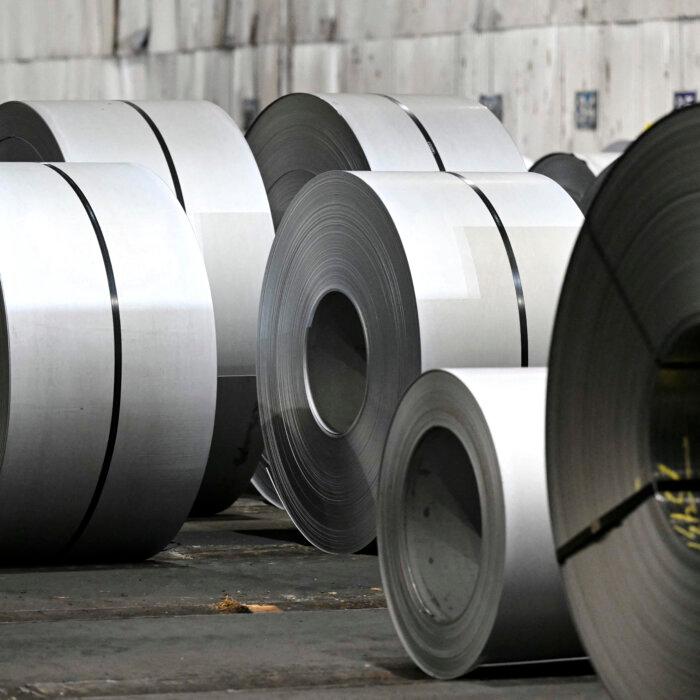
In its Federal Register notice, the department identified the newly added product categories by their codes rather than their product names.

Non-steel and non-aluminum content will be subject to reciprocal tariff rates that the U.S. government has imposed on certain countries and other applicable tariffs, according to the notice.

Steel Manufacturers Association President Philip Bell welcomed the department’s decision to expand steel and aluminum tariffs to cover products that contain steel, saying the move would ensure a level playing field for U.S. steelmakers.

“The steel tariffs are necessary for the national security that a strong steel industry provides,” Bell said in a statement. “However, as the steel tariffs are bolstering the domestic steelmaking industry, bad actors are looking for loopholes, such as other steel-containing products that they might be able to dump into our country.”
The Aluminum Association also backed the tariff expansion on derivative products, saying the move would help prevent countries from circumventing U.S. trade rules.
In June, President Donald Trump raised the U.S. tariffs on steel and aluminum imports from 25 percent to 50 percent as part of an effort to boost domestic production.
“[The tariff hikes will] effectively counter foreign countries that continue to offload low-priced, excess steel and aluminum in the United States market and thereby undercut the competitiveness of the United States steel and aluminum industries,” Trump said in his proclamation.

“Although the previously imposed steel and aluminum tariffs have helped provide critical price support in the United States market, they have not yet enabled these industries to develop and maintain the rates of capacity production utilization that are necessary for the industries’ sustained health and for projected national defense needs.”


Reuters contributed to this report.