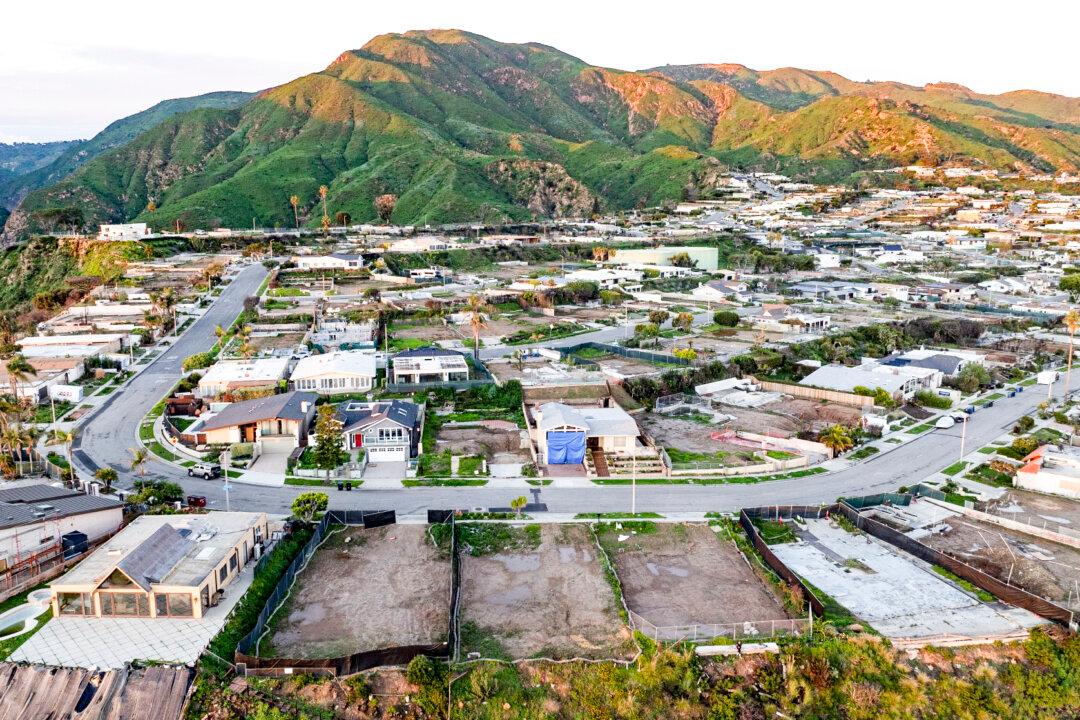
July’s seasonally-adjusted annual rate of 1,428,000 construction starts surpassed the June estimate of 1,358,000 and is 12.9 percent higher than the July 2024 rate of 1,265,000.
The report indicates single-family housing starts in July were at a rate of 939,000—a 2.8 percent hike above the revised June estimate of 913,000.
For multi-family buildings with five or more units, the July number was 470,000.
However, July building permits for privately-owned housing units were reported at a seasonally-adjusted annual rate of 1,354,000—a 2.8 percent drop from June’s rate of 1,393,000 and the lowest level since June 2020. The July rate also falls 5.7 percent below July 2024’s 1,436,000.
July’s permits for single-family homes were listed at a rate of 870,000, a 0.5 percent uptick from the revised June figure of 866,000. Permits for buildings with five or more units were listed at a rate of 430,000.
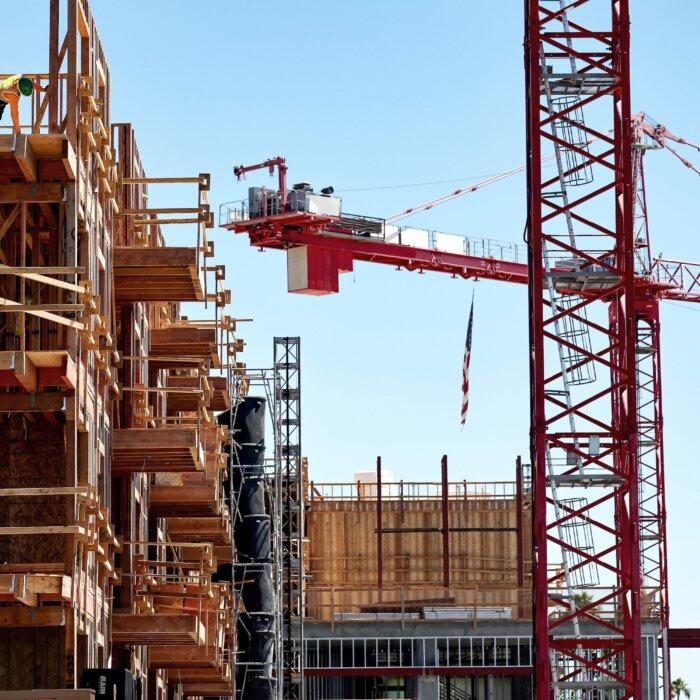
“Housing has been in recession since the Fed started raising rates in 2022, and we have not yet seen any green shoots,” Jeffrey Roach, chief economist for North Carolina-based LPL Financial, said in a note sent to The Epoch Times.
“But there still could be opportunities when the residential market stabilizes.”
Roach noted that building permits have declined for six of the past seven months, as builders remain cautious about the residential housing market.
“Starts for both single-family and multi-family projects rose on hopes that mortgage rates would fall later this year and provide a boost to a sluggish part of the U.S. economy,” he said.
“We expect residential investment to drag on Q3 GDP growth.”
Privately-owned housing completions experienced an uptick in July. The seasonally adjusted annual rate of 1,415,000 is 6 percent higher than the revised June estimate of 1,335,000. However, that number represents a 13.5 percent decline from the July 2024 rate of 1,635,000.
Completion of single-family homes registered a rate of 1,022,000—an 11.6 percent hike above the revised June rate of 916,000. July’s rate for multi-family buildings with five or more units was 385,000.
“The overall lack of housing supply could be a boon for homebuilders once the residential market stabilizes.”
For the third quarter, Roach predicted that residential development could remain stagnant, but that situation may reverse by the first quarter of 2026. He also suggested that mortgage interest rates could remain under pressure in the short term.