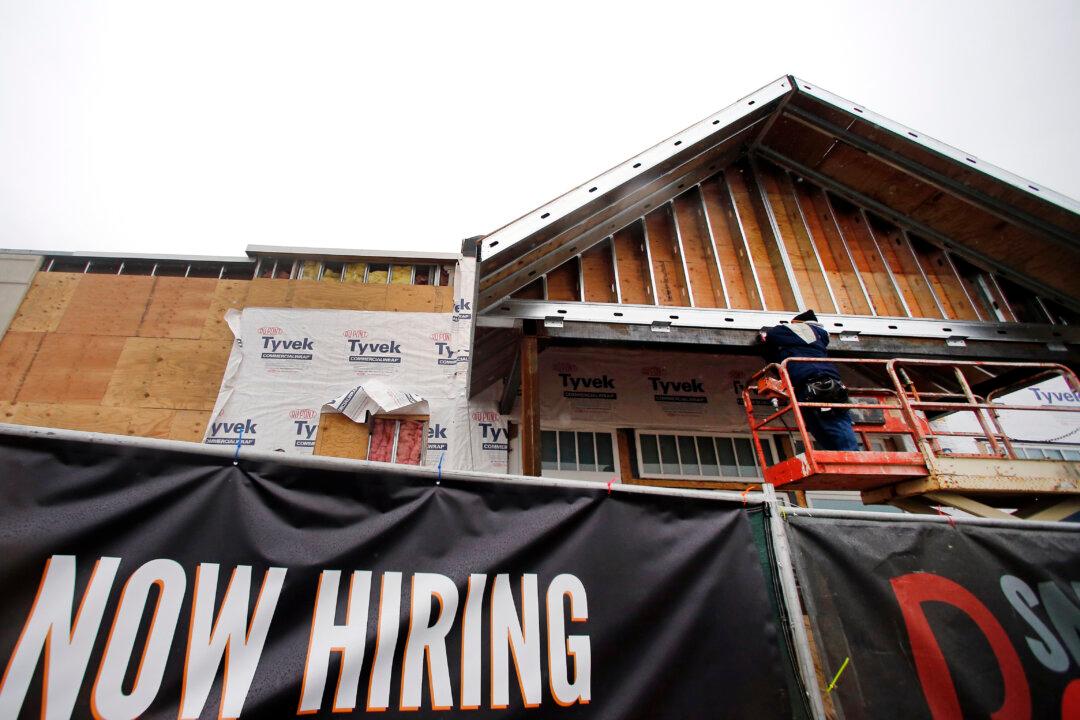
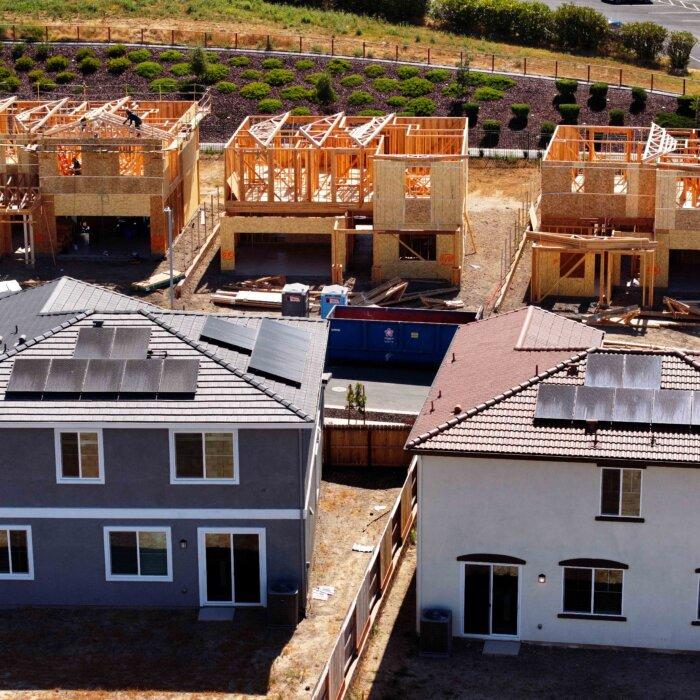
New residential construction starts across the nation dipped again in August, falling to their lowest level since May.
Privately owned housing starts in August were at a seasonally adjusted annual rate of 1,307,000—an 8.5 percent decline from the revised July estimate of 1,429,000 and 6 percent below the August 2024 rate of 1,391,000. This is the lowest monthly level observed since May, when 1,282,000 was recorded.
The August rate for single-family housing starts was 890,000, 7 percent below the revised July figure of 957,000. Meanwhile, the rate for units in buildings with five or more apartments fell to 403,000, down from 453,000 in July.
According to the report, 1,312,000 building permits were issued for privately owned housing units in August. This represents a 3.7 percent decrease from the revised July rate of 1,362,000 and an 11.1 percent decline from the August 2024 rate of 1,476,000, marking the fifth consecutive month of decline in building permits.
August single-family authorizations also were lower, at 856,000—2.2 percent below the revised July figure of 875,000. For buildings with five or more units, authorizations were reported at 403,000.
“The slowing housing starts and permits is one of the strongest arguments for additional rate cuts,” Eric Teal, chief investment officer of Comerica Wealth Management in Charlotte, North Carolina, said in a statement to The Epoch Times.
“However, we anticipate 2 percent decline in mortgage rates is needed to jump-start the housing market given the lock-in effects and recency bias.”
Privately owned housing completions saw some positive activity in August, with an 8.4 percent gain over the revised July estimate of 1,483,000. While the seasonally adjusted annual rate in August measured 1,608,000, it is still 8.4 percent below the August 2024 rate of 1,755,000.
Single-family housing completions also saw an uptick last month at a rate of 1,090,000, which is 6.7 percent higher than the revised July rate of 1,022,000. For units in buildings with five or more apartments, the August rate was 503,000.
Nationwide, new listings also declined by 7.3 percent from July—the lowest level recorded since Zillow began tracking.
“Buyers who can afford a home and have been waiting for the right moment should look closely at what’s available now,” Zillow senior economist Kara Ng said in a company statement. “Sidelined buyers should revisit their budget, but their leverage is easing as many sellers put their plans to list on hold.”
“For the first time in years, more homes exited the market unsold than were added, a reversal that has left industry professionals recalibrating their expectations for the rest of 2025,” the report stated.
Realtor.com also indicated that the pace of the nation’s inventory growth slowed to 20.9 percent in August from 31.5 percent in May, with the majority of delistings in the South and West. In Miami, for example, for every 100 new listings in July, 57 homes were delisted.