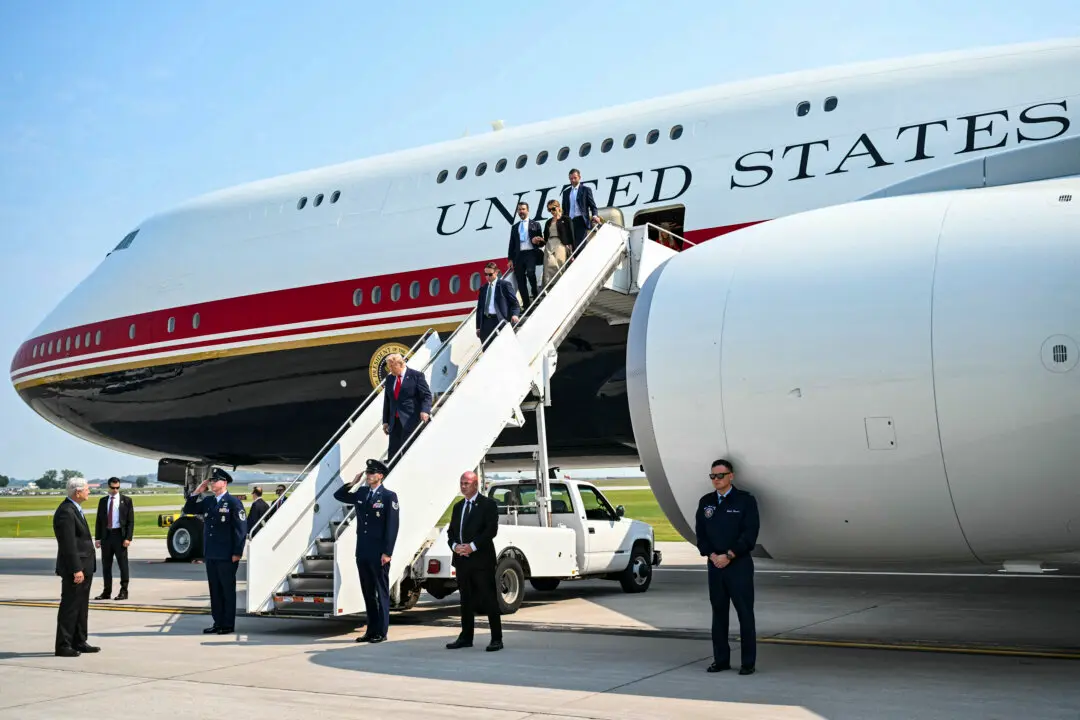
Trump said generic drugs brought into the United States would face no tariffs for the first two years from August 2026, before a 100 percent tariff takes effect in 2028.
The tariff would then rise to 200 percent a year later.
“The objective of this Policy is to protect the people of the United States. The Policy on Patented, Branded, or Innovative Drugs, which has been so successful, will remain as is. Pharmaceutical Facilities are being built, at a level never seen before, all over the United States of America.”
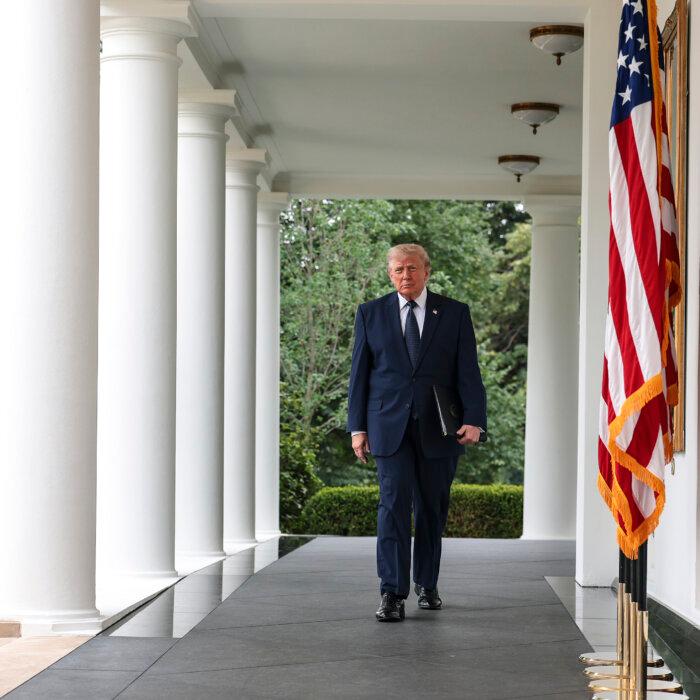
Trump has sought to reduce foreign ownership and control in America’s pharmaceutical supply chains. In April, he issued a proclamation stating that a Commerce Department probe found that the nation’s current levels of imports of pharmaceutical products and their ingredients pose a risk to national security and the economy.
The probe found that the nation’s heavy reliance on imports threatens “access to life-saving medications in the event of global supply chain disruption due to geopolitical or economic disruption.”
“A self-sufficient domestic manufacturing and industrial base for pharmaceutical products is vital for the ability to support national defense requirements and maintain public health security during a national emergency or wartime,” the president said in his proclamation.
Under the proclamation, imports of patented pharmaceuticals and their ingredients will be subject to a 100 percent tariff, while patented pharmaceutical companies with onshoring plans approved by the Commerce Department will face a 20 percent duty rate that will increase to 100 percent after four years.
The order directs the Environmental Protection Agency to expedite the construction of facilities involved in producing prescription drugs, active pharmaceutical ingredients, and other critical raw materials.