The United States and Indonesia have reached a trade agreement, President Donald Trump announced on social media.
Trump told reporters shortly after that Indonesia would be subjected to a 19 percent tariff. U.S. goods, meanwhile, will not be faced with tariffs and will have full access to the Indonesian market.
“You have to understand, we had no access into any of these countries,” he said. “Our people couldn’t go in. And now we’re getting access because of what we’re doing with the tariffs.”
This comes soon after the president sent a formal letter to Indonesia announcing a 32 percent levy on Indonesian goods entering the United States, effective Aug. 1.
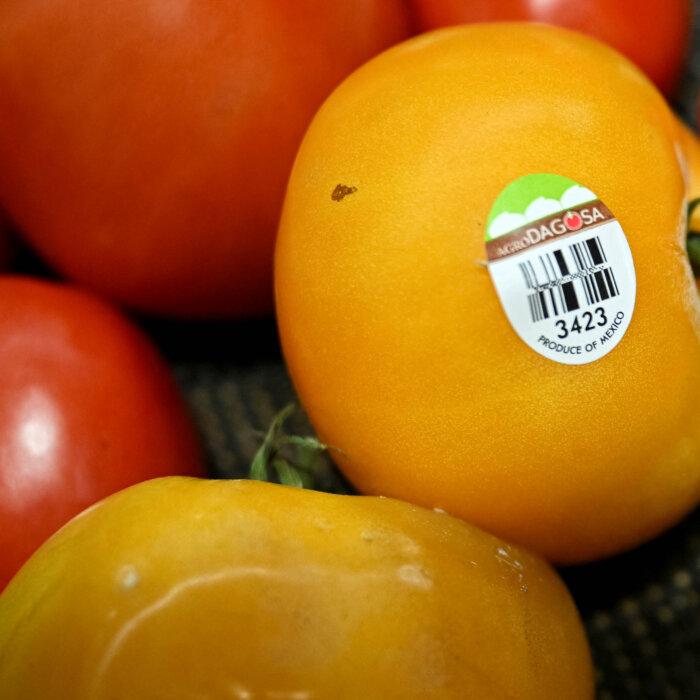

Indonesia’s main exports to the United States are consumer electronics, apparel, and footwear.
Last week, he sent out a batch of letters to more than 20 U.S. trade partners, including Japan, South Korea, and Canada, outlining the tariff rates.
Similar to his other letters, Trump informed Indonesian President Prabowo Subianto that his country would not be subject to levies if it or its companies built or manufactured products in the United States.
U.S. trade officials pointed to various restrictions, taxes, and public policy instruments that discriminate against American companies and products.
“For the first time ever, our ranchers, farmers, and fishermen will have complete and total access to the Indonesian market of over 280 million people,” the president added.
Eyes on August
The deal is Trump’s fourth trade agreement since his April 2 reciprocal tariffs announcement.To date, the White House has made deals with the United Kingdom, China, and Vietnam. Senior administration officials have reiterated that further announcements will be made by next month.
The president recently extended the deadline for reciprocal tariffs to Aug. 1, confirming on Truth Social that “no extensions will be granted.” This, Trump and others have said, will allow the United States to establish more agreements.
Trump also signaled a more lenient and flexible position, telling reporters on July 8 that trade negotiations could happen over an extended period.
“We can do things over the years, too,” he said. “We’re not hard-line.”
Another key date on the trade front is Aug. 12, when the current U.S.–China tariff truce expires.
“Nvidia hopes to start deliveries soon,” the company said in a statement.
Now that the United States and China have settled on tariffs and export controls, both sides “can move on to the next stage of talks,” Bessent says.
Watching Inflation
The consumer price index (CPI) report for June offered mixed signals for whether tariffs are fueling price pressures.Last month, the annual inflation rate rose to 2.7 percent from 2.4 percent in May. Monthly consumer prices rose by 0.3 percent. Both figures were in line with economists’ expectations.
Annual core inflation, which excludes energy and food prices due to their volatility, rose to 2.9 percent. Core CPI also edged up 0.2 percent. These readings were below consensus estimates.
“While business surveys report a big pickup in input cost inflation in the second quarter, CPI inflation was still relatively well behaved in June,” Bill Adams, chief economist at Comerica Bank, said in a note emailed to The Epoch Times.
Businesses might be waiting for additional clarity on tariffs before they respond, Adams noted. Slowing consumer demand could make companies apprehensive about raising prices, “forcing them to absorb tarifflation for the time being.”
He suggested that “patriotism” is showing up in the economic data.
“My theory, as an economist, of why that is, is that Americans, because of President Trump’s leadership, have recognized that when they buy an American product, they not only get perhaps a better product, certainly a better product most of the time, but they’re also making their community stronger,” Hassett said.
This week, the Bureau of Labor Statistics will release trade prices for June.
Last month, import prices remained flat at zero percent, while export prices declined by 0.9 percent.