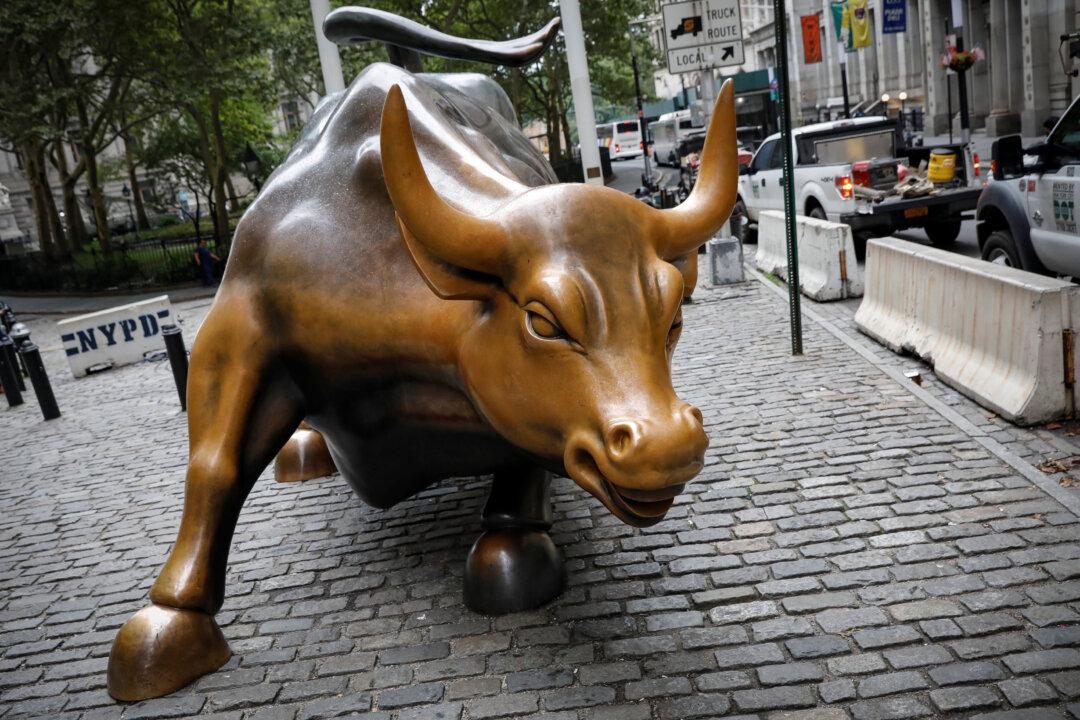
President Donald Trump’s administration is working to address trade imbalances with a group of 15 top trading partners.
When the president’s trade saga commenced this year, White House officials coined the term “Dirty 15” to describe a group of nations identified as having significant surpluses with the United States.
By grappling with multibillion-dollar trade deficits and various trade barriers, the Trump administration is signaling a broader realignment in international trade.
Ahead of the Aug. 1 reciprocal tariff deadline, many of these countries are scrambling to intensify negotiations, seek exemptions or reductions, and reach trade agreements.
China
This month, the White House announced that it reached a limited deal with China, putting together an agreement on tariffs and export controls.The Chinese regime agreed to resume rare earth exports to the United States, and the current U.S. administration rolled back countermeasures.
Artificial intelligence chipmaker Nvidia stated on July 14 that the U.S. government has agreed to grant the tech titan licenses to sell chips to China.
Global financial markets are closely watching a key date, Aug. 12, which will be the end of a 90-day tariff pause between the world’s two largest economies.
But Bessent said he is unconcerned.
“I tell market participants not to worry about Aug. 12,” he said.
Bessent has plans to meet with Chinese Vice Premier He Lifeng in the coming weeks.
Mexico
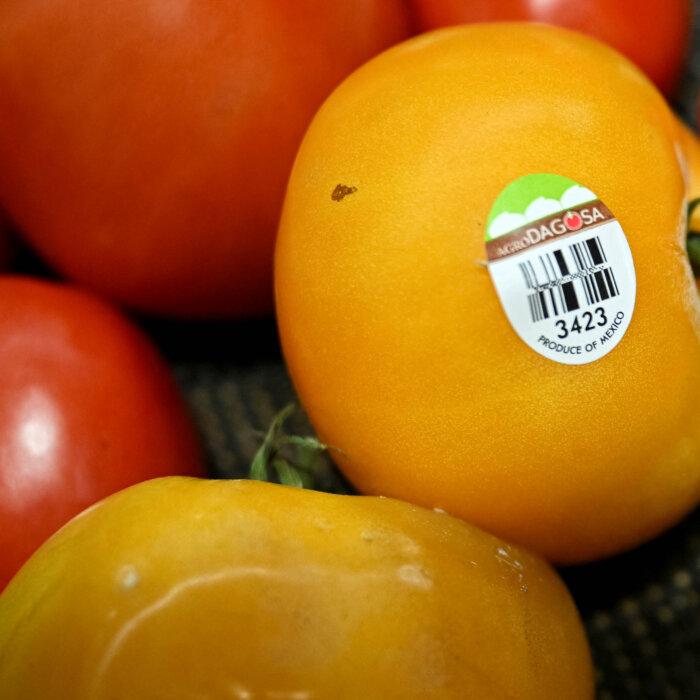
Trump will implement a 30 percent tariff on goods imported from Mexico.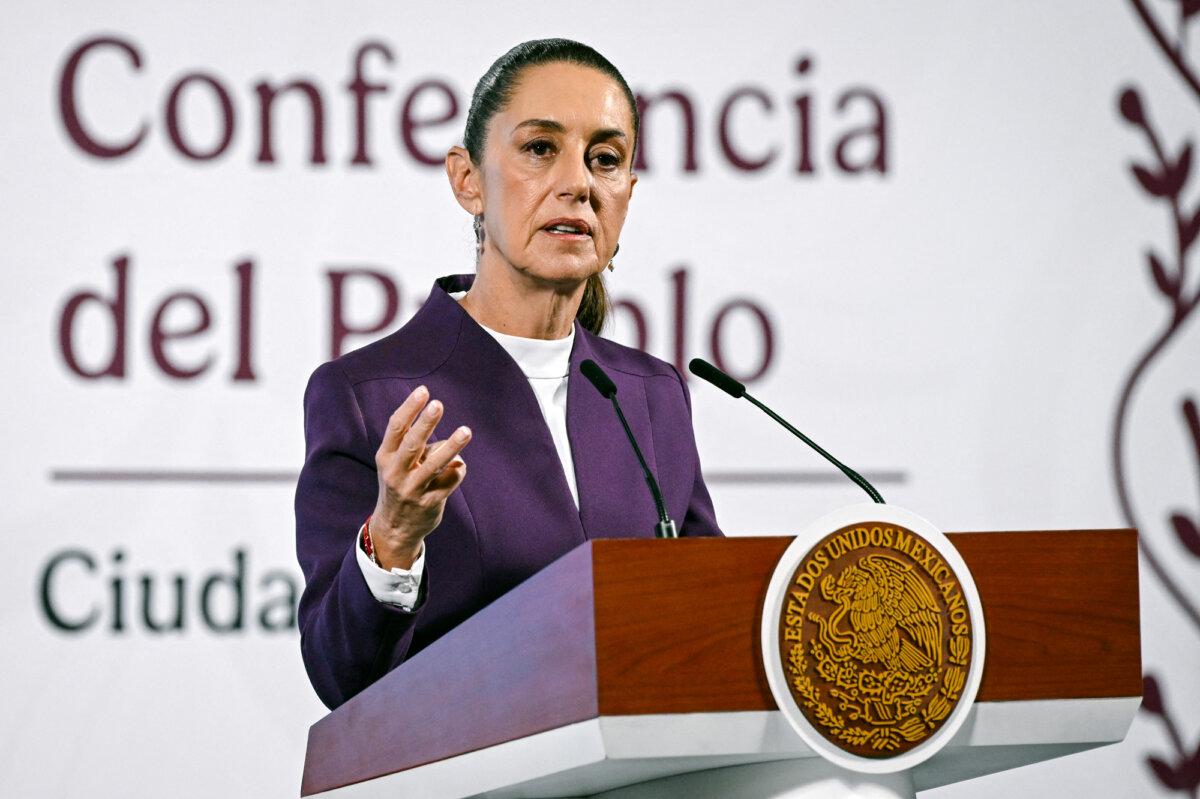
“Mexico has been helping me secure the border, but what Mexico has done, is not enough,” Trump wrote in a letter to Mexican President Claudia Sheinbaum.
He also said that if Mexico raises tariffs, the United States will add an amount equal to that increase to the 30 percent rate.
“We stated at the meeting that this was unfair treatment and that we disagreed,” the statement reads. “It is very significant that starting July 11, we established the necessary pathway and forum to resolve any possibility of new tariffs taking effect on Aug. 1.”
In 2024, U.S.–Mexico trade totaled nearly $840 billion, with the United States running a deficit of $171.8 billion.
Vietnam
Earlier this month, Trump confirmed that he reached a trade agreement with Vietnam.According to the president, Vietnam will pay a 20 percent tariff “on any and all goods sent into” the United States and a 40 percent tax on any transshipping. In exchange, U.S. goods exported to Vietnam will be subject to no tariffs.
“Dealing with General Secretary To Lam, which I did personally, was an absolute pleasure,” Trump said on Truth Social.
European Union
In a letter to European Commission President Ursula von der Leyen, Trump said he would impose a 30 percent tariff on goods entering the United States from the European Union.Economists say member states Germany, Ireland, and Italy would be severely affected.
Last year, the U.S. goods trade deficits with Germany and Ireland were firmly above $80 billion. The trade gap with Italy was close to $44 billion in 2024.
EU leaders say 30 percent tariffs on “exports would disrupt essential transatlantic supply chains” and adversely affect businesses and consumers on both sides of the Atlantic Ocean.
Taiwan
Taiwan has not received a formal tariff letter from Trump and remains under a temporary blanket 10 percent levy. If a deal is not reached between the two sides, the tariff on Taiwan could climb to 32 percent.Japan
Starting on Aug. 1, the United States will impose a 25 percent tariff on all Japanese imports. This is in addition to the current sector-specific levies, such as 50 percent on steel and aluminum and 25 percent on automobiles and car parts.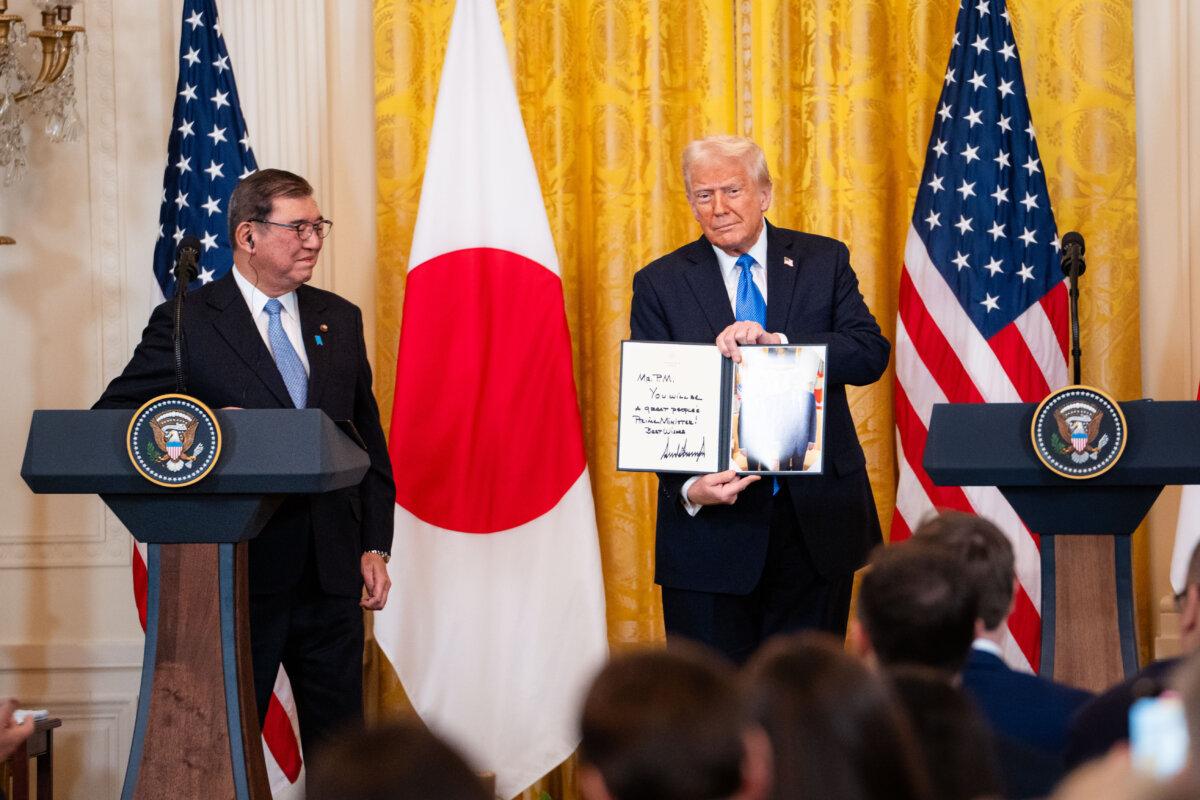
Japanese Prime Minister Shigeru Ishiba said at a Cabinet meeting this month that progress had been made on trade negotiations.
“We have received a proposal from the United States to swiftly proceed with negotiations toward the newly set Aug. 1 deadline, and ... depending on Japan’s response, the content of the letter could be revised,” Ishiba stated on July 7.
Trump has been highly critical of Japan’s trade practices, recently pointing to the country’s rice crisis.
South Korea
South Korea will also face a 25 percent tariff if it cannot put together a deal with the U.S. administration. Officials in Seoul stated that they plan to bolster trade negotiations, noting that talks must include exemptions or reductions in auto and steel tariffs.Speaking to reporters in Maryland on July 13, Trump said that the country “wants to make a deal right now.”
Canada
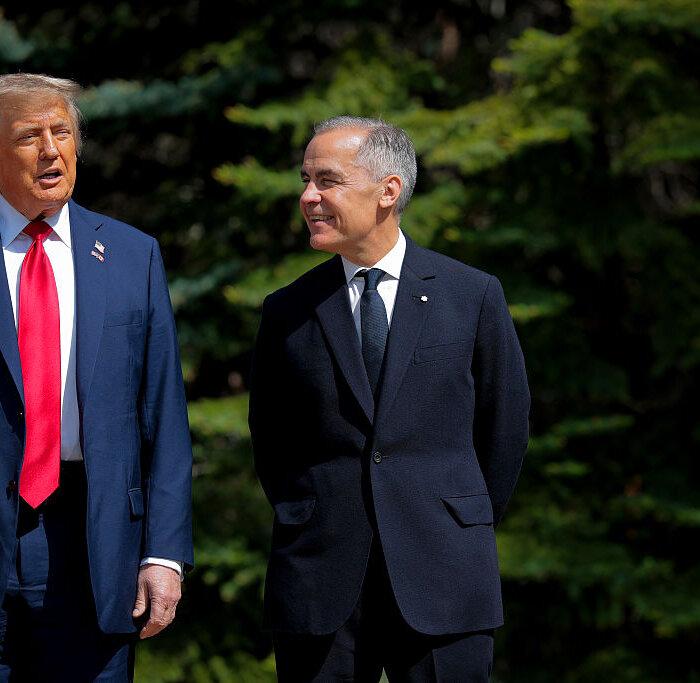
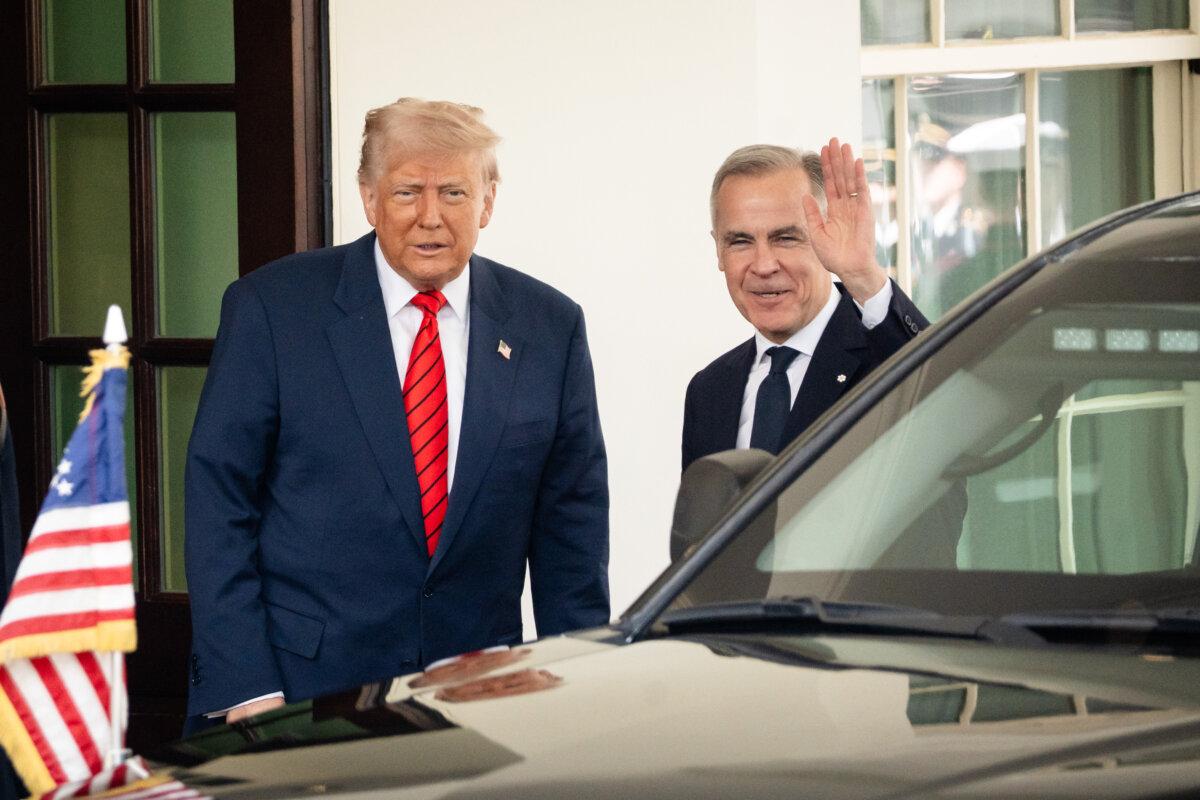
Canadian Prime Minister Mark Carney received a letter from Trump and was informed that a 35 percent tariff would be imposed on goods coming from Canada.The president alluded to the fentanyl crisis and protectionist measures such as Canada’s dairy import rules.
Officials north of the border have said they need to ensure that Canadian businesses and workers are shielded from the adverse effects of Trump’s levies.
On his way to a Cabinet meeting in Ottawa, Carney told reporters that most countries will likely face baseline tariff rates. Still, according to the prime minister, U.S.–Canada trade discussions will intensify ahead of next month’s deadline.
“At the same time, we need to recognize that the commercial landscape globally has changed,” he said. “It has changed in a fundamental manner, and we will continue to focus on what we can most control, which is building a strong Canadian economy.”
“Core inflation has remained stubbornly above target, driven in part by supply chain pressures tied to ongoing tariffs,” David-Alexandre Brassard, CPA Canada’s chief economist, said in a note emailed to The Epoch Times.
India
India was notably excluded from this month’s batch of letters.Officials have been involved in active bilateral trade talks, and both sides have signaled optimism that an agreement could be finalized.
In April, India was facing a 26 percent reciprocal tariff.
BRICS is a coalition of emerging market countries led by Brazil, Russia, India, China, and South Africa. Other countries recently joined the group, including Egypt, Ethiopia, Indonesia, Iran, and the United Arab Emirates.
Thailand
Thailand, which enjoys a $46 billion trade surplus with the United States, could face a 36 percent tariff in August if the two sides cannot reach a deal.The U.S. economy is a significant market for Thailand, accounting for nearly one-fifth of its exports in 2024.
Malaysia
Malaysia, a major exporter of electronics and semiconductors, will be slapped with a 25 percent tariff on its exports next month, slightly higher than the 24 percent levy announced in April.Malaysian trade officials say they do not plan to retaliate and intend to continue negotiating.
Indonesia
Indonesia became the fourth country to reach a new trade deal following Trump’s sweeping global tariff plans announced in April.According to the president, products imported from Indonesia would be hit with a 19 percent tariff.
U.S. goods would have full access to the Indonesian economy without any levies.
Without a bilateral trade agreement, Indonesia would have faced a 32 percent tariff.
Brazil
Trump stated in a July 9 letter that he will impose a 50 percent tariff on Brazil next month, citing Brazil’s nontariff trade barriers and treatment of former President Jair Bolsonaro, who is on trial.In a formal letter to Brazilian President Luiz Inácio Lula da Silva, Trump said the country was engaged in a “witch hunt that should end immediately.”
Bolsonaro is accused of trying to stage a coup against Lula.
Lula threatened tit-for-tat retaliatory tariffs if Trump follows through.
Brazil exported goods worth a total of more than $42 billion to the United States in 2024, driven by crude oil, industrial metals, airplanes, and coffee.