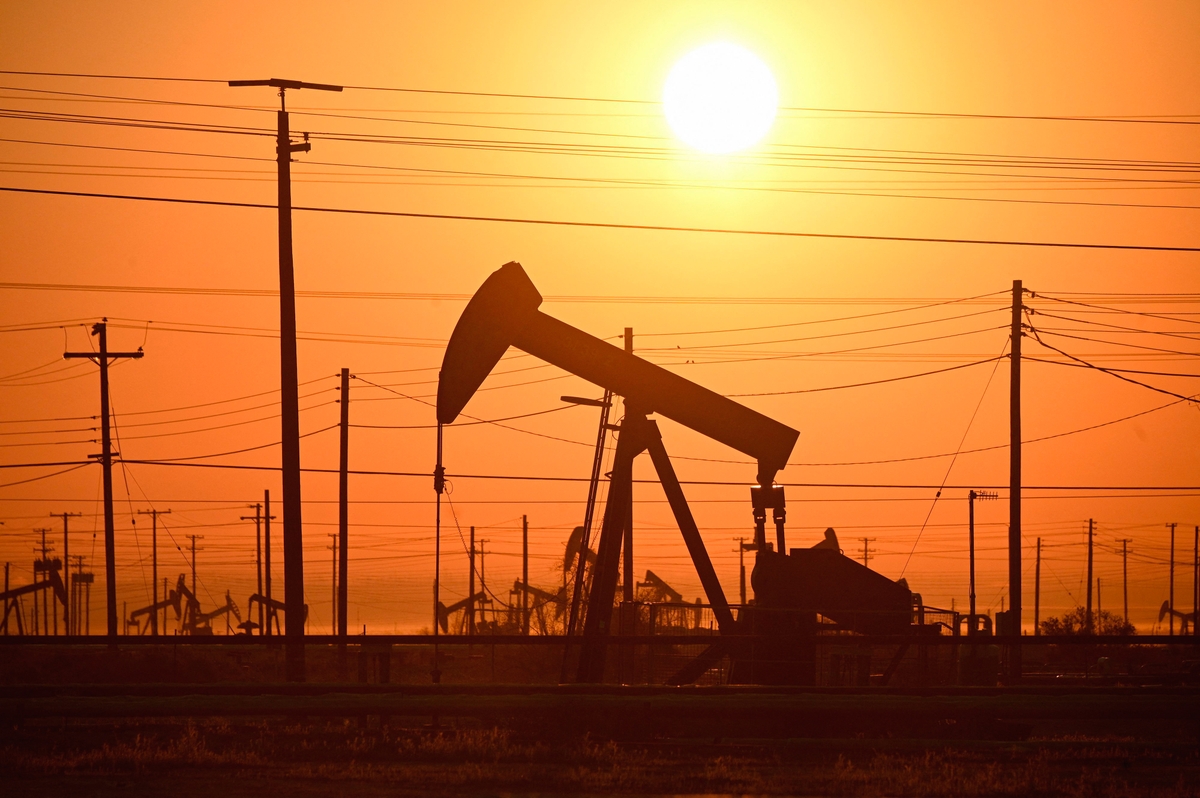

Several oil-exporting countries that are members of the OPEC+ alliance agreed to boost oil production on Aug. 3.
Meeting virtually, eight countries opted to increase their oil production by 547,000 barrels per day starting in September, citing low oil inventories and a steady global economic outlook. Those countries include Saudi Arabia, Russia, the United Arab Emirates, Iraq, Kuwait, Algeria, Kazakhstan, and Oman.
This is an even further increase in daily barrel production following a decision in July to boost production in August by 548,000 barrels per day, which came during the first meeting since Israel and the United States’ attack on Iran’s nuclear facilities caused a sudden spike and drop in oil prices.
Their next meeting is scheduled for Sept. 7.
OPEC+ is a consortium that includes the core Organization of the Petroleum Exporting Countries (OPEC) as well as 10 other non-OPEC nations led by Russia and includes Kazakhstan. These countries produce roughly half of the planet’s oil.
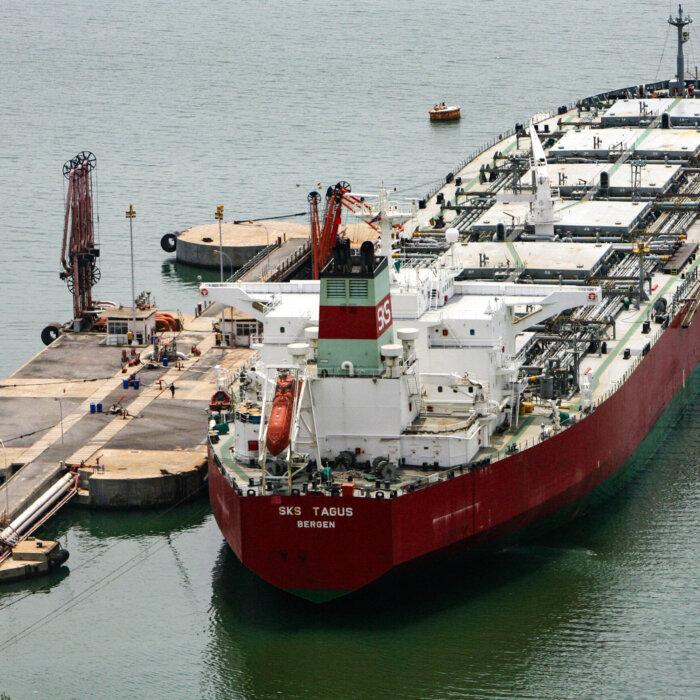
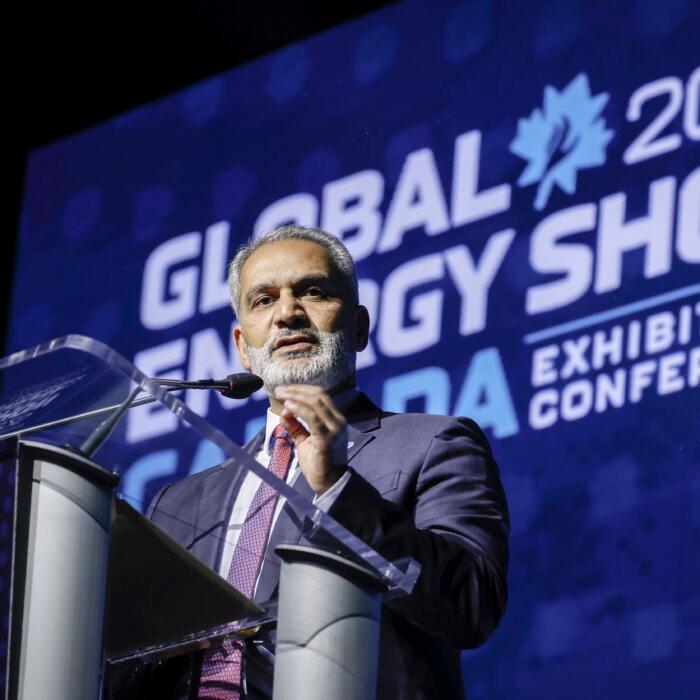
The eight countries set to increase production had been participating in production cuts since November 2023. Those cuts were originally set to be phased out by September 2026.
The increase in production could see a decrease in oil and gasoline prices, but Brent crude oil continued to trade near $70 per barrel, which research firm Clearview Energy Partners said could be due, in part, to the potential loss of Russian oil from the market.
“However satisfying Trump’s reversal on Russia may sound to the rest of the world, it is more complicated than it sounds,” Julien Mathonnière, an oil markets economist at the U.S.-based Energy Intelligence, told The Epoch Times.
“Secondary tariffs on countries that rely on Russian oil imports could potentially cost Russia nearly $200 billion in revenue, if they are fully implemented and enforced. But that’s a big ‘if.’”
Trump implemented a secondary tariff of 25 percent on countries that imported crude oil from Venezuela in March, and in May, he threatened similar tariffs on countries that continued to import crude oil from Iran.